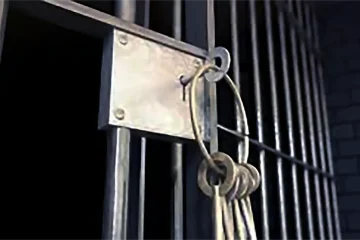
IN what authorities are calling the strongest judicial message yet against infrastructure sabotage, a South African court has sentenced a former Eskom contract worker to 35 years imprisonment for deliberately damaging equipment at a major power station, highlighting the country’s intensifying crackdown on crimes that have crippled the national electricity grid.
Simeon Majaonke Shongwe, 46, will serve 20 years behind bars after the Ermelo District Court handed down the landmark sentence on Monday for his role in causing R22.7 million (approximately $1.2 million) in damages to the Camden power station in Ermelo in November 2022.
The severe punishment marks a turning point in South Africa’s battle against infrastructure sabotage, which has contributed to devastating nationwide blackouts that have paralysed businesses, destroyed jobs, and cost the economy billions of rands in lost productivity.
“Tampering with essential infrastructure has been a national problem and has a negative impact on service delivery to members of the public,” said Major General Nico Gerber, Provincial Head of the Directorate for Priority Crime Investigation in Mpumalanga. “This conviction and sentence must serve as a strong warning to those implicated in such despicable acts.”
Shongwe was convicted on charges of tampering with essential infrastructure and theft. While the court imposed 20 years for infrastructure damage and 15 years for theft, the sentences will run concurrently.
The Hawks’ Secunda-based Serious Organised Crime Investigation unit built what prosecutors described as an airtight case using witness testimony and forensic evidence from the crime scene. Shongwe was arrested just five days after the November 10, 2022, incident at the power station.
Eskom, South Africa’s embattled state power utility, has faced years of operational crisis marked by aging infrastructure, maintenance failures, and deliberate sabotage. The resulting power cuts, known locally as “load shedding,” have become a fixture of daily life for millions of South Africans, forcing businesses to close, disrupting healthcare and education, and driving up costs across every sector of the economy.
The Monday sentencing sends an unmistakable signal that South African courts are prepared to impose maximum penalties for crimes that threaten the country’s already fragile power supply and economic stability.