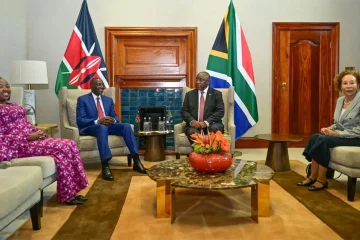
IN a dramatic assertion of executive authority, President John Dramani Mahama has yanked Ghana’s High Commissioner to Nigeria from his diplomatic post, sending an unmistakable message that no official – regardless of rank or party loyalty – stands above scrutiny in matters of electoral integrity.
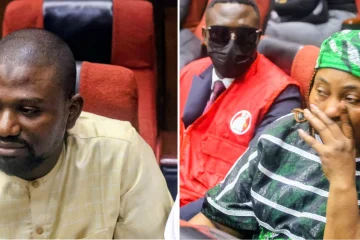
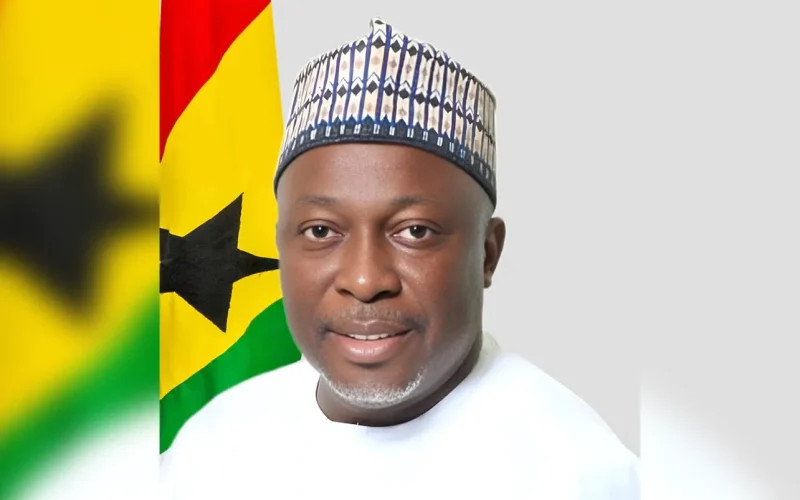
The immediate recall of Mohammed Baba Jamal Ahmed, announced Saturday, represents one of the most forceful anti-corruption moves by an African head of state against a sitting diplomat in recent memory. Ahmed stands accused of voter inducement during National Democratic Congress parliamentary primaries in Ayawaso East Constituency—allegations serious enough to trigger both internal party investigations and presidential intervention.
“Without prejudice to the ongoing internal party processes, and strictly in view of the standards of conduct expected of public officers, the President considers it necessary to act decisively to preserve the integrity of public office,” the presidency stated, its language deliberately uncompromising.
The move is calculated political theater with substantive intent. By recalling a fellow NDC member—a former MP and deputy minister under previous administrations—Mahama demonstrates he will police his own ranks as aggressively as he targets opposition malfeasance. The timing is equally significant: the recall comes as Ghana positions itself as West Africa’s democratic standard-bearer amid regional democratic backsliding.
Ahmed’s fall from grace is swift and complete. Just months into his diplomatic posting in Abuja, the 55-year-old envoy now faces the ignominy of forced return and potential formal charges. The presidency’s statement notably avoids euphemistic language about “consultations” or “temporary assignments”—diplomatic code typically deployed to soften such recalls. Instead, the directive is blunt: immediate effect, full stop.
Presidential aides confirm Mahama personally ordered the Foreign Affairs Minister to execute the recall, bypassing the usual bureaucratic cushioning that often shields political appointees from accountability. This hands-on approach reflects Mahama’s stated campaign promise to confront corruption “at every level, without fear or favour”—rhetoric now backed by concrete action.
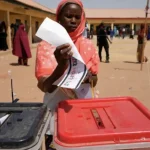
The allegations against Ahmed centre on claims of cash distributions and vote-buying during the December primaries. While multiple aspirants face similar accusations, Ahmed’s dual status as both contestant and serving public officer made his position “untenable,” according to the presidency. The distinction matters: Mahama is establishing that public office carries heightened accountability standards that supersede internal party politics.
Political analysts view the recall as a calibrated warning shot. “This isn’t just about one diplomat,” observed Accra-based governance expert Kwame Amoako. “Mahama is establishing a precedent that will constrain behavior across his entire administration. No one can claim immunity based on party service or political connections.”
The broader implications extend beyond Ghana’s borders. With Nigeria maintaining diplomatic silence and ECOWAS nations watching closely, Mahama’s move tests whether aggressive anti-corruption enforcement can coexist with regional diplomatic norms that traditionally shield officials from public accountability.
For Ahmed, the path forward remains unclear. The presidency’s careful language—” without prejudice to ongoing party processes”—suggests parallel investigations may yield formal charges. His silence since the announcement speaks volumes in Ghana’s typically voluble political culture.
What remains beyond dispute is Mahama’s willingness to wield executive power forcefully when corruption allegations emerge—even when the target wears his own party’s colours. In a region where anti-corruption rhetoric often exceeds enforcement, Ghana’s president is proving that swift, unambiguous action against powerful insiders can be more than an empty promise.
The recalled High Commissioner’s empty chair in Abuja now stands as a warning to Ghana’s entire political class: under this administration, electoral fraud carries consequences that reach the highest levels of government.