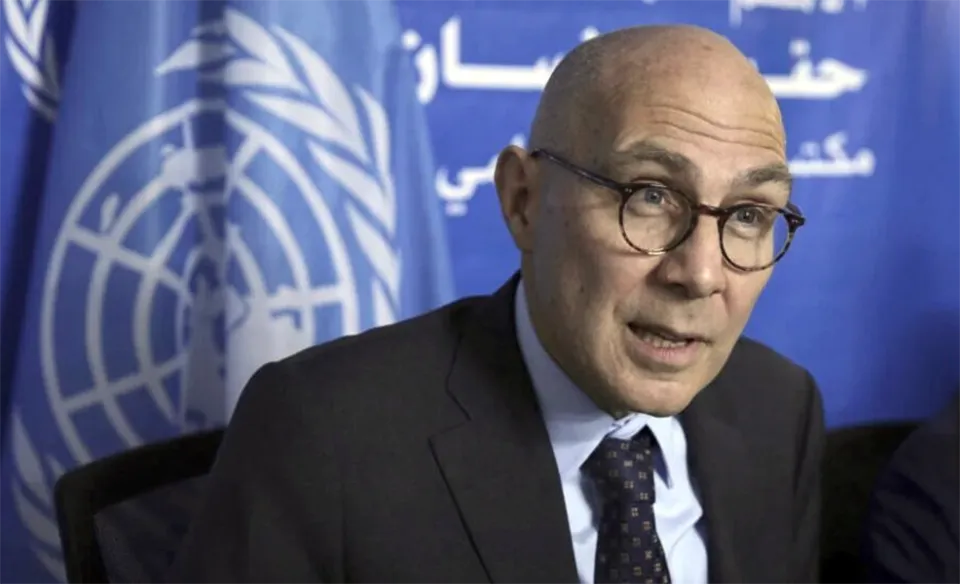
UN Human Rights High Commissioner Volker Türk condemned the October attack on El Fasher, Sudan, as a “preventable human rights catastrophe” in which thousands were killed within days, calling for those responsible to be held accountable.
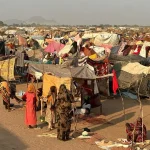
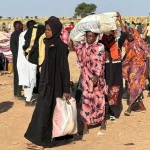
Speaking to the Human Rights Council, Türk said the Rapid Support Forces (RSF) unleashed intense violence after imposing an 18-month siege on the city, forcing tens of thousands to flee.
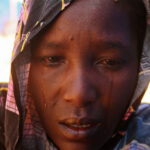
The High Commissioner recently visited Sudan and met survivors who reported mass killings, summary executions, rape, torture, arbitrary detention, and disappearances during the final offensive.
In one incident, witnesses from separate locations thousands of kilometres apart gave consistent accounts of hundreds of people being killed while sheltering at El Fasher University. Victims were reportedly targeted based on their non-Arab ethnicity, particularly members of the Zaghawa ethnic group.
“Survivors also spoke of seeing piles of dead bodies along roads leading away from El Fasher, in an apocalyptic scene that one person likened to the Day of Judgment,” Türk said.
Sexual violence was systematically used as a weapon of war, according to survivors who described gang rapes of women and girls during abductions and searches as they attempted to flee. One victim recounted how RSF fighters killed her father and brother when they tried to prevent the assault.
The RSF and allied militias abducted thousands of people and demanded exorbitant ransoms for their release. Former detainees reported that more than 2,000 men were held at El Fasher Children’s Hospital, with those who died in detention buried near the facility. Thousands were reportedly transferred to Tagris prison in Nyala, South Darfur, where conditions are described as horrendous.
The International Criminal Court assessed last month that both war crimes and crimes against humanity occurred in El Fasher.
Türk warned that similar atrocities may be repeated in the Kordofan region, where fighting has intensified since El Fasher’s capture. He called on the international community to pressure warring parties to stop targeting civilians, enable humanitarian aid delivery, and end arbitrary detention.
“If we stand by, wringing our hands while armies and armed groups commit well-flagged international crimes, we can only expect worse to come,” he said.