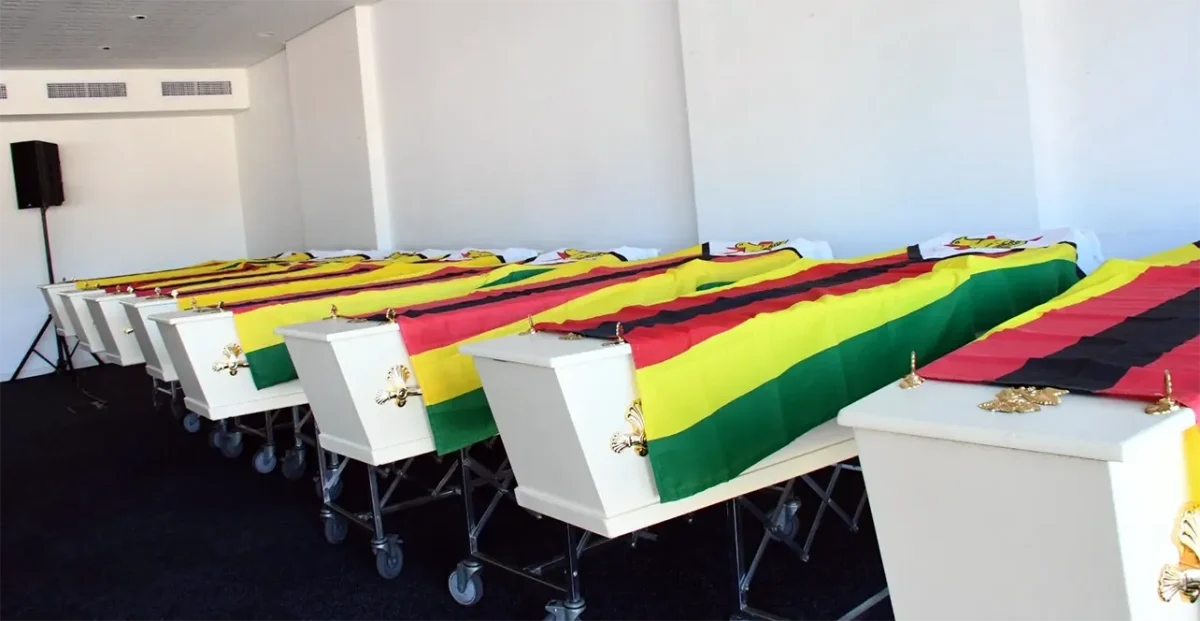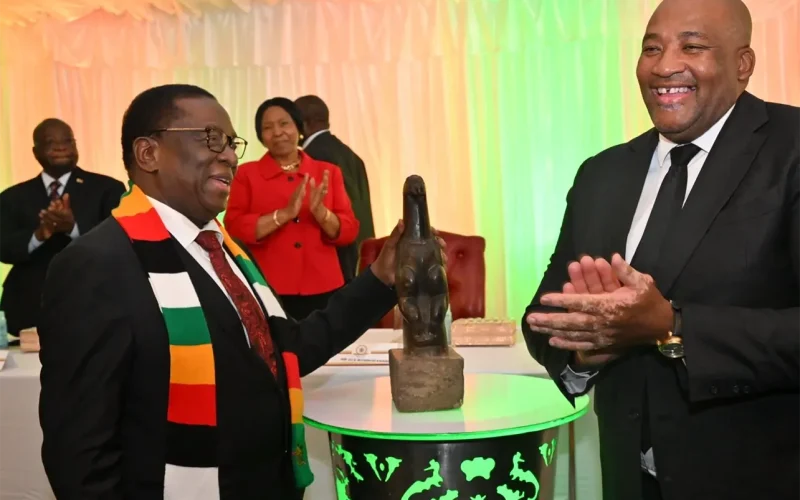
IN a moment woven from the threads of eternity, South Africa’s Minister of Sport, Arts and Culture, Gayton McKenzie, crossed the mighty Limpopo River into Harare like a modern-day messenger of the ancestors. There, he placed into the hands of President Emmerson Mnangagwa the final jewel of Zimbabwe’s stolen legacy: Chapungu, the eighth and most revered Soapstone Bird, guardian spirit of Great Zimbabwe. Accompanying this celestial bird were the long-exiled bones of forebears from Chivhu, Goromonzi, Mazowe, Kwekwe, and Mberengwa – sacred vessels of memory, now pulsing back to the earth that birthed them.
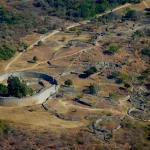
Carved from a single, sun-kissed block of soapstone between the 11th and 15th centuries, Chapungu – depicting the majestic bateleur eagle or fish eagle – once perched atop towering monoliths at the heart of Great Zimbabwe, that ancient citadel of Shona sovereignty. More than stone, it was a living bridge: a mhondoro, divine intermediary whispering between the living and the ancestors. During Zimbabwe’s war of liberation, Chapungu became an omen of resistance, its wings shielding freedom fighters, its gaze piercing the colonial shadows.
For 140 years, this emblem of pride endured exile, first seized in the late 19th century amid Cecil John Rhodes’ rapacious plunder and scattered like seeds torn from fertile soil. It perched in foreign museums, a silent cry for return, while the nation’s flag and coat of arms bore its image as a beacon of unyielding identity. Now, on the eve of Zimbabwe’s Independence Day, directed by President Cyril Ramaphosa’s resolute command, the handover unfolded at Cape Town’s Iziko South African Museum on April 14, 2026 – a ritual of restoration under the southern skies.
Deputy Chief Secretary Reverend Paul Bayethe Damasane, voice trembling with spiritual fire, declared this not mere repatriation, but the dawn of healing. “These are not artefacts or specimens,” he proclaimed, eyes alight. “They are our shared soul, disrupted by colonial blades that severed our spiritual continuum. Today, we re-humanise, reintegrate, and bury our ancestors with dignity, guided by their communities’ ancient rites.” Quoting Chimamanda Ngozi Adichie, he urged a tapestry of truths: the pain of dispossession woven with triumphs of justice.
Minister McKenzie, his words a thunderclap of conviction, crossed borders not as a politician, but as a healer of wounds. “This is history in motion—the sacred bird and our leaders, stolen without consent, reduced to shadows in glass cases. Their graves in Goromonzi and Mazowe were desecrated over a century ago. Returning them is no gift; it is justice overdue, African to African, brothers mending what empires broke.” He vowed South Africa’s museums would be emptied of such pilfered treasures, accelerating returns to honour the moral debt.
As Chapungu touches Zimbabwean soil, the last of the eight birds completes a circle of resilience. It soars anew as a symbol of unity, cultural sovereignty, and the ancestors’ whisper: “We are home.” This act binds Zimbabwe and South Africa in liberation’s unbreakable chain, forging cultural diplomacy that mends borders and souls. The Limpopo, once a divider, now flows with rivers of restitution – heritage reborn, spirits dancing in the wind.