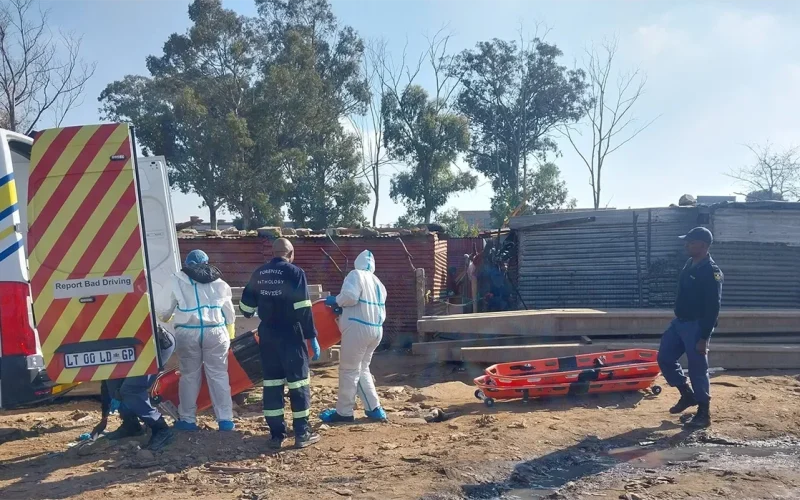
AT least 12 people were killed and 10 wounded in a pre-dawn attack on the Cleveland informal settlement in Gauteng, a massacre that local residents and media say was carried out by armed men linked to illegal mining networks. Witnesses told reporters that some suspects are Lesotho nationals who once worked in a zama-zama gang, broke away from the group and returned at night to execute former associates. A manhunt is underway; police have yet to announce arrests.
The provincial government condemned the killings as “barbaric,” pledged support to investigators and urged residents with information to come forward. Yet the attack lays bare a crucible of intersecting failures — porous borders, an entrenched illegal-mining economy, and a fragile policing relationship with communities living in informal settlements — that federal and provincial officials must address if the cycle of reprisal killings is to stop.
This is not merely another episode of mass gun violence. The Cleveland incident carries what can be described as triple irregularities: the suspects’ migration status, their involvement in illicit mining around abandoned shafts, and the setting of a crowded squatter camp where state presence and forensic control are weak. Each factor magnifies the others. Illegal miners move easily across borders and between disused shafts; they work in a shadow economy that rewards ruthlessness and creates incentives for violent settling of scores. Informal settlements offer concealment for both perpetrators and witnesses, and their residents often distrust police, hindering evidence-gathering.
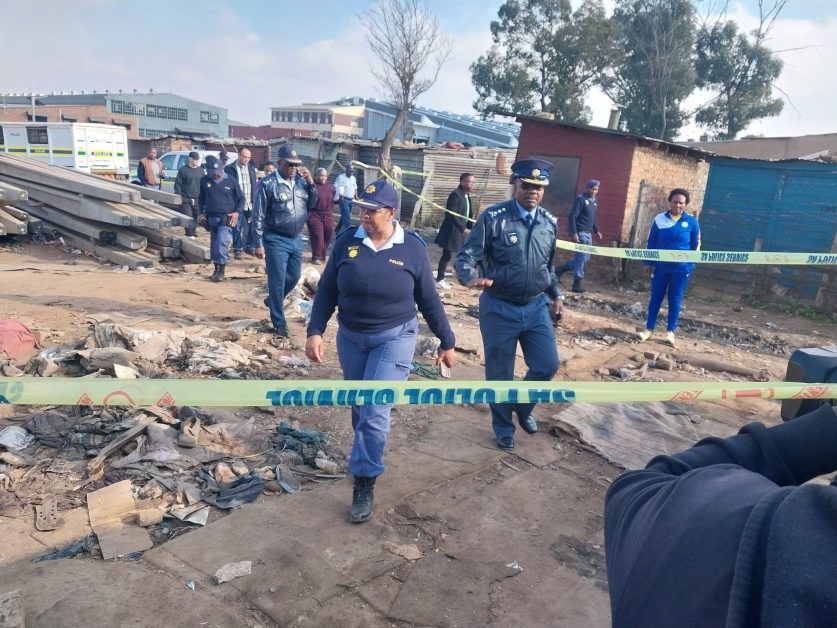
For investigators, the operational challenges are stark. Crime scenes in informal settlements degrade quickly, witnesses fear reprisal, and vital forensic material can be lost. The suspected cross-border nature of the perpetrators — Lesotho nationals, according to witnesses — complicates identification, extradition and intelligence-sharing. South African police will need rapid scene preservation, ballistic and DNA analysis linked to other incidents, and meaningful witness protection measures, including anonymous tip lines and relocation where necessary. A multidisciplinary task force that brings together the SAPS, Hawks, immigration authorities, forensic specialists and counterparts in Lesotho will be essential to convert leads into arrests and admissible prosecutions.
Policing capacity is part of the problem, but so is credibility. Provincial statements promising to “leave no stone unturned” have become routine after headline-grabbing violence; what will restore public confidence is speed, transparency and tangible results — arrests backed by forensics and a clear pathway to prosecution. Equally important is preventing vigilantism. In communities where the state is absent, vigilante justice can follow quickly and further destabilise already fragile areas.
Beyond policing, the massacre points to deeper social and economic drivers. Zama-zamas are both a symptom and a cause: born of chronic unemployment and the lure of valuable ore from abandoned shafts, illegal mining provides livelihoods for some and a platform for organised criminality for others. Those dual realities require a policy mix that marries enforcement with alternatives — reclaiming and securing mine shafts, disrupting the buyers and financiers who sustain illicit extraction, and creating viable employment options for people in mining regions and adjacent informal settlements.
The politics of the incident will be combustible. The presence of foreign nationals among suspected perpetrators will almost certainly be seized on by anti-immigrant actors and hardline politicians, risking a spike in xenophobic rhetoric or violence. Responsible messaging from government and media is crucial: holding perpetrators to account must not morph into collective blame of migrants, many of whom are themselves vulnerable.
A further irony complicates the narrative: the massacre arrived just after Gauteng reported an overall decline in crime. Aggregate statistics can obscure intense, concentrated violence driven by specific criminal economies; policymakers and the public must resist the complacency that headline metrics can breed.
What will define success for investigators and officials is concrete. Arrests tied to forensics and corroborated testimony; swift, clear communication that balances operational needs with public accountability; and quick disruption of the logistical chains that sustain such groups — weapons, transport, and buyers of stolen ore. Without dismantling the networks that profit from illegal mining, any arrests will risk being tactical wins in a longer strategic failure.
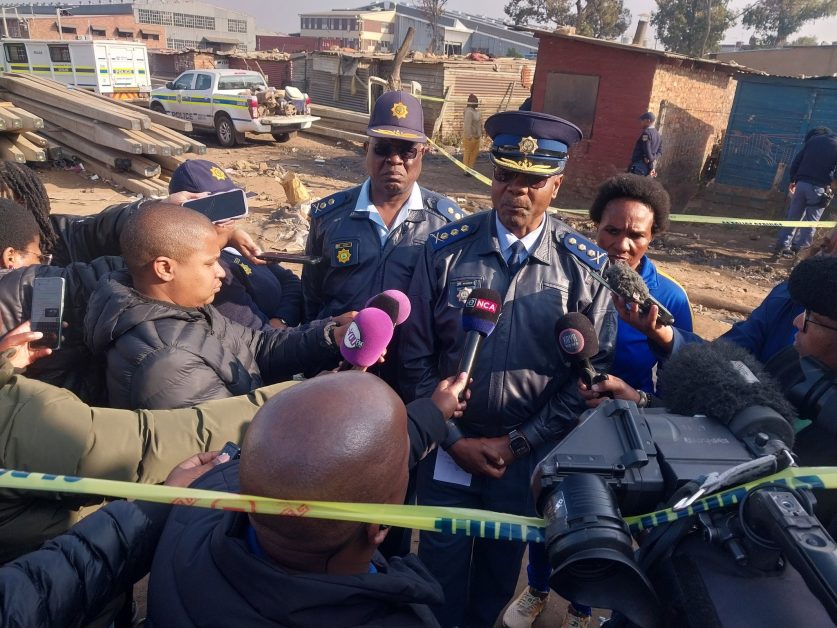
The Cleveland killings, therefore, demand a two-track response. Short term: a forensic-led, cross-agency investigation that secures the scene, protects witnesses and pursues suspects across borders. Medium term: policies that reduce the pull of illegal mining — mine reclamation, employment programmes, and regulatory attention to the markets that absorb pilfered ore — coupled with community policing that rebuilds trust in the state. Absent that mix, the conditions that produce massacres — revenge, resources and refuge — will persist.
For victims’ families and a shaken Cleveland community, the immediate imperative is justice and protection. For Gauteng and national leaders, the imperative is to show that the state can respond effectively to concentrated, economically driven violence without stoking xenophobia or repeating the mistakes of the past. The Cleveland massacre is at once a criminal episode and a policy failure; how authorities act now will determine whether it becomes a turning point or a prelude to further bloodshed.