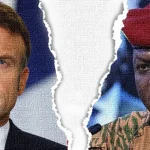

FRANCE has revealed that it was weighing reciprocal measures after Burkina Faso severed all diplomatic relations with Paris, calling the decision “hostile and unfounded” and warning that it illustrated a worrying drift by the Burkinabè authorities. The response, delivered within a day of Ouagadougou’s announcement, was the clearest signal yet that France does not intend to absorb the break quietly – even as the rest of Francophone West Africa has, more carefully, been edging toward the same destination for the past four years.
Foreign ministry spokesman Pascal Confavreux said in a statement that necessary reciprocal measures were currently under review, without specifying what they might involve, and confirmed that Paris was monitoring the safety of its personnel and citizens still in the country, urging them to exercise heightened vigilance. Left unanswered was the more consequential question: whether France’s own diplomatic mission in Ouagadougou, already reduced by years of expulsions, will now be wound down altogether, or whether consular and humanitarian channels survive the political rupture.
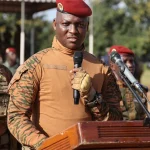
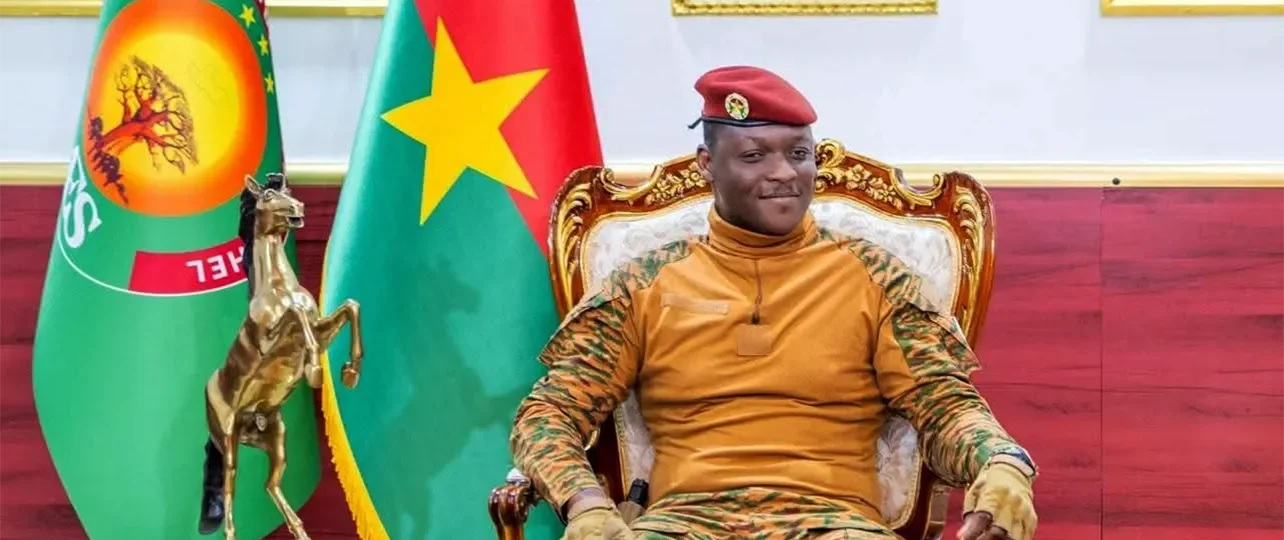
Burkina Faso’s military government said Friday’s decision took effect immediately, accusing France of “blatant neo-colonial ambitions” and of backing the armed groups destabilising the country and the wider Sahel — an allegation Paris has repeatedly denied and for which Ouagadougou offered no public evidence. Communications Minister Gilbert Ouédraogo said the conditions for a relationship built on mutual respect and non-interference were simply no longer met. The junta was careful to draw a line around the announcement, stating that it concerns only the formal diplomatic relationship and not the historical and cultural ties between the two peoples, and that French civilians remain protected under Burkinabè law.
France’s measured tone points to a wider recognition in Paris that Burkina Faso is not an isolated case, but the sharpest expression of a pattern already well underway. Mali expelled French forces and ended military cooperation in 2022. Niger followed after its own 2023 coup, later seizing control of French-linked uranium assets. Chad terminated its defence cooperation agreement with Paris in November 2024. Senegal ended France’s permanent military presence on its soil this year, and Côte d’Ivoire has taken over a former French base, retaining only limited training cooperation. None of those four states has gone as far as cutting diplomatic ties outright — but each has dismantled, through negotiation rather than rupture, the same security architecture Burkina Faso has now disowned entirely.
Regional analysts say the immediate question is whether Mali and Niger, Burkina Faso’s partners in the Alliance of Sahel States, follow Ouagadougou’s lead, given how closely the three military governments coordinate, or whether this particular escalation remains an outlier even within their own bloc. Friction has also been building closer to home, with reported tensions on the Burkina Faso–Côte d’Ivoire border in recent months — a reminder that the retreat of French influence is reshaping relationships between African neighbours, not only between Africa and Paris.
What happens next will be decided by two governments no longer speaking to each other directly. France has set no timetable for its reciprocal measures; Burkina Faso has given no sign it intends to reconsider. For the French nationals and businesses still operating in the country, and for a security and humanitarian relationship the rupture has not formally touched, the coming weeks will determine whether this stays a diplomatic break — or hardens into something neither side can easily undo.