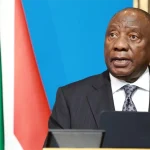
WITH days standing between South Africa and a self-declared “national shutdown” over illegal immigration, President Cyril Ramaphosa turned on Saturday to an institution older than the republic itself: the country’s traditional monarchs.
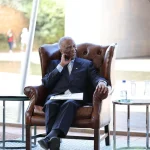
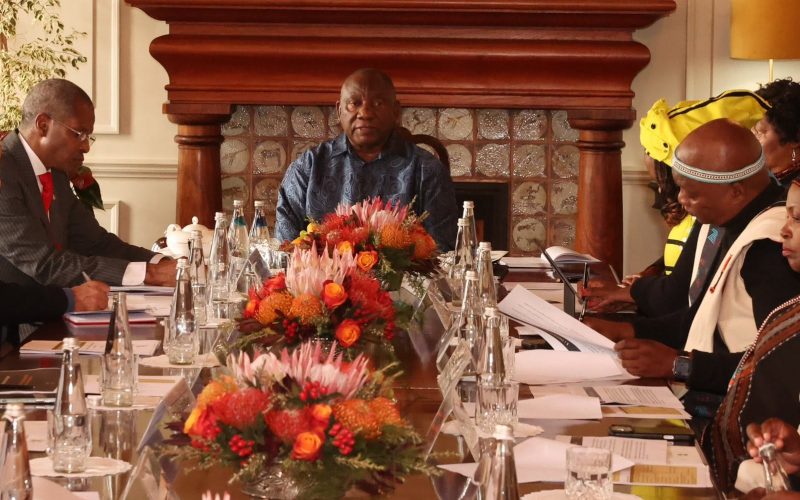
At a closed-door meeting with Kings and Queens, Ramaphosa restated the five-pillar Comprehensive Approach for Managing Migration his Cabinet adopted following his 7 June address to the nation, while appealing to the moral authority of traditional leaders to calm communities ahead of the 30 June deadline set by the anti-immigration movement March and March and allied groups for undocumented foreigners to leave the country.
It was the latest, and arguably most symbolically loaded, stop on a punishing three-week diplomatic circuit. Since late May, the Inter-Ministerial Committee on Migration has cycled through political parties, the President’s Coordinating Council, Chapter 9 and 10 institutions, faith leaders, organised labour, business, the private security industry and the taxi sector, and, on Friday, foreign embassies and South African ambassadors abroad – each engagement aimed at the same goal: preventing the anti-immigrant anger that has gripped the country since March from boiling over on Tuesday.
The stakes were underlined on 21 June, when the IMC met representatives of the Zulu Royal House and the Traditional Prime Minister of the Zulu nation. Days later, His Majesty King Misuzulu kaZwelithini issued a public statement discouraging violence against foreign nationals, a rare royal intervention government clearly hopes Saturday’s gathering will help replicate across the country’s other kingdoms.
“You can use your standing to calm tensions, resolve disputes through dialogue and prevent communities from being mobilised for violence and disorder.” — President Cyril Ramaphosa, addressing the Kings and Queens
The anxiety is rooted in painful precedent. South Africans have watched this story before: in May 2008, more than 60 people, citizens and foreign nationals alike, were killed in xenophobic violence that began in Johannesburg and spread nationwide. The July 2021 unrest, though triggered by different grievances, left over 350 people dead and exposed how quickly localised anger can metastasise into mass disorder once policing falters. That history helps explain both the scale of the security build-up and government’s decision to court traditional authority alongside, rather than instead of, enforcement.
The urgency is real. The protest movement, fronted by Jacinta Ngobese-Zuma, has staged marches in cities nationwide since March, blaming illegal immigrants for unemployment, crime and failing public services – claims Ramaphosa has consistently rejected, maintaining that illegal immigration is not the cause of the country’s social and economic difficulties. Rhetoric has not contained the violence, however. A Malawian man was killed and two other foreign nationals attacked by a vigilante group in Pietermaritzburg last week. Two Mozambican nationals were killed in Mossel Bay earlier this month, with more than 50 homes torched in an immigrant neighbourhood. Another Malawian man was reportedly stoned to death during protests elsewhere, and journalists covering the unrest have been assaulted.
Government’s response has combined the language of dialogue with a substantial show of force. Acting Police Minister Firoz Cachalia has confirmed a R600-million special operation deploying SAPS across all nine provinces, with the SANDF on standby – and, in KwaZulu-Natal, a request for actual troop deployment already before the Defence Minister. That sits awkwardly alongside the SANDF’s own insistence, only weeks earlier, that reports of its deployment were unfounded, and with defence analysts who argue the force’s legal mandate under Operation Prosper allows only a supporting, protective role rather than confronting marchers directly.
The five pillars Ramaphosa restated to the Kings and Queens – enforcing immigration law, securing the borders, modernising Home Affairs systems, closing legislative gaps and working with SADC and the African Union on root causes – form the substance of government’s case that this is a managed, lawful process rather than capitulation to vigilante pressure. Officials point to figures showing the Border Management Authority intercepted more than 450,000 people attempting illegal entry over the past year, and that nearly 30,000 undocumented foreign nationals were arrested between January and mid-May alone.
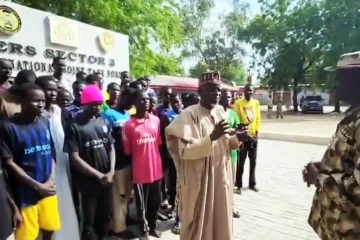
But the diplomatic cost is mounting. Nigeria and Ghana have repatriated close to 2,000 citizens on government-sponsored flights over safety concerns, and other African governments have openly criticised what they describe as a climate of xenophobia — straining precisely the continental solidarity the fifth pillar is meant to protect.
Whether royal intervention can achieve what three weeks of ministerial briefings have not — defusing a movement that has explicitly vowed to shut the country down regardless of government’s plans — remains the question hanging over Tuesday.