SOUTH Africa is heading into a volatile June 30 standoff, with police on high alert, foreign nationals rushing to leave the country or seek embassy assistance, and President Cyril Ramaphosa warning that intimidation and violence cannot be allowed to replace the rule of law. What began as an anti-immigration campaign has now become a test of state authority, public order and the country’s ability to deal with illegal migration without sliding into mob justice.
The immediate trigger is a self-imposed deadline set by anti-immigration groupings demanding that undocumented foreign nationals leave South Africa by June 30. That call has sparked fear in migrant communities, triggered emergency planning inside the security sector and forced the government to confront a fast-moving crisis that mixes politics, policing and human rights.
Police have moved into a high-alert posture, with visible deployments expected around protest routes, transport corridors and vulnerable public spaces. The security response includes public-order policing units, tactical response teams and intelligence-driven monitoring of areas where demonstrations or attacks could erupt. The aim is to deter violence before it begins, while also ensuring that ordinary residents, foreign nationals and businesses are protected if crowds gather.
That effort is not limited to the police. The broader security cluster has been activated, with national and provincial structures coordinating to track developments across the country. The South African National Defence Force is reportedly on standby should the situation deteriorate, while metro police and municipal safety units are expected to assist with crowd control, traffic management and protection of key sites. The state’s message is clear: demonstrations may proceed within the law, but any attempt to intimidate, block roads, attack foreigners or destroy property will be met with a firm response.
The atmosphere on the ground is already tense. Reports from Cape Town and other centres show foreign nationals, especially Zimbabweans and migrants from neighbouring countries, rushing to embassies and consulates for help as they seek transport home or emergency documents. Some have already left voluntarily, while others are waiting in fear, unsure whether the deadline will bring violence, harassment or forced displacement. For many families, the issue is no longer legal status alone, but whether they can remain safe until the situation calms.
The fear is understandable. South Africa has a painful history of xenophobic violence, and the current mobilisation has revived memories of previous attacks on foreign nationals. The difference this time is the speed with which the deadline has spread through communities and social media, giving the impression of a countdown to confrontation rather than a routine political protest. That has increased pressure on police, embassies and local authorities to act quickly and visibly.
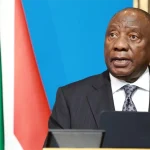
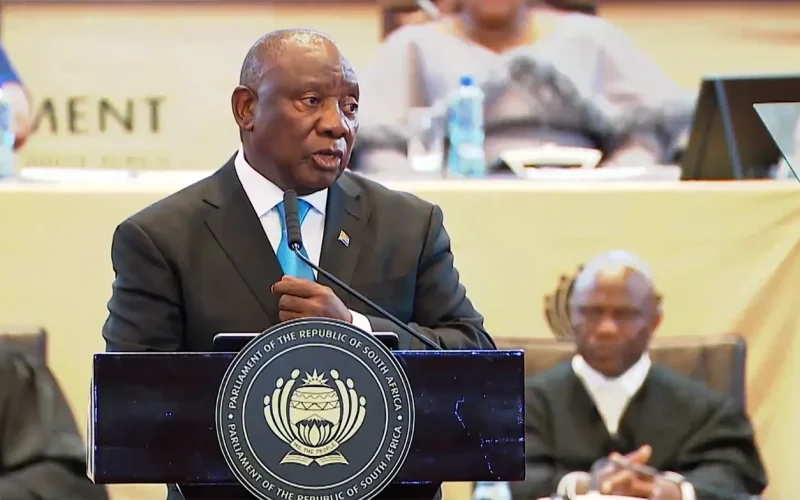
President Ramaphosa has tried to draw a line between legitimate concerns about immigration and unlawful acts of intimidation. In his recent remarks, he said: “South Africans have raised deep concerns about illegal immigration, border management, pressure on public services, criminal syndicates that exploit our immigration system and the impact these challenges have on communities.” He added that those concerns “are real and they deserve to be heard,” but warned that the right to protest does not allow people to threaten, intimidate or commit violence.
That message matters because it acknowledges the reality behind the anger without endorsing the methods being used by anti-migrant groups. Ramaphosa is effectively telling the country that illegal migration is a legitimate policy issue, but that private citizens do not have the right to enforce it through ultimatums and threats. In a country still scarred by mob violence, that distinction is crucial.
South Africa’s challenge is not unique. Across Africa, governments are wrestling with irregular migration, weak border controls, delayed asylum processing and public frustration over jobs, housing and service delivery. Similar tensions are visible in other regions too, where migration has become a political weapon and foreign nationals are often blamed for wider social and economic problems. The result is usually the same: real policy gaps are exploited by fear, and fear is converted into hostility.
That is why the June 30 deadline matters beyond South Africa. It is a reminder that migration crises are rarely solved by slogans or street ultimatums. They require border management, law enforcement, administrative capacity and political restraint. If those fail, the vacuum is filled by intimidation, panic and vigilantism.
For now, South Africa stands at a dangerous intersection. The state is trying to contain unrest, migrants are trying to secure safety, and political leaders are under pressure to show control without inflaming tensions further. Whether June 30 passes as a contained security operation or escalates into a wider crisis will depend on how effectively authorities can enforce the law while preventing fear from taking over the streets.