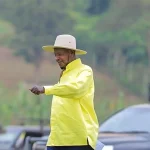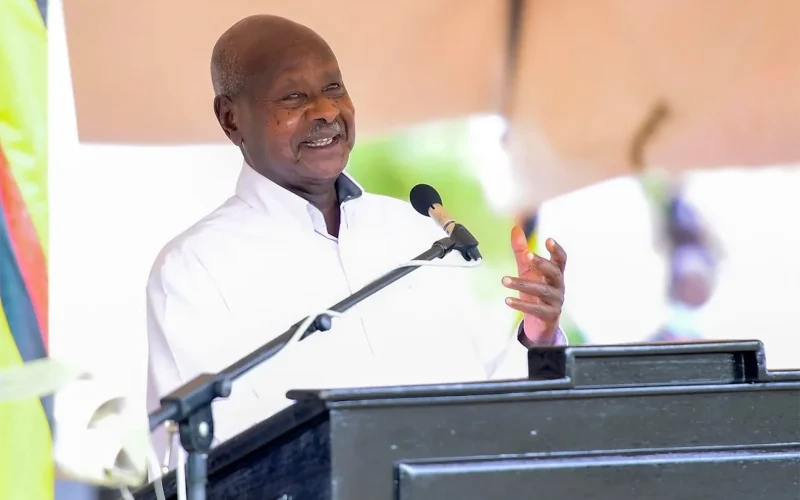
PRESIDENT Yoweri Museveni used a special address to the nation to place his full authority behind a months-long campaign of abductions, incommunicado detentions and media closures carried out by his son, Chief of Defence Forces General Muhoozi Kainerugaba, telling Ugandans that the crackdown was not a regression but “a consolidation of our long fight” for order and discipline.
It was Museveni’s most direct public defence yet of a period that rights groups, opposition figures and Uganda’s own Human Rights Commission have described as one of the most repressive in the country’s recent history – and it leaves no ambiguity about where the 81-year-old president stands as his son’s profile, and power, continues to grow ahead of the 2026 election cycle’s local polls.
A REGIME OF “NO MORE IMPUNITY”
Framing the crackdown in the language of his own liberation-era mythology, Museveni told the nation that the peace Ugandans had come to associate with his National Resistance Movement – what he called “Wakili twebakka kutulo,” loosely “at least we sleep peacefully” – was now being reinforced, not undermined, by the recent actions of the security forces.
He said the country had for too long tolerated gaps in accountability, declaring that the moment now called for “no more sleep, no more kukongola, no more corruption and, now, no more impunity.” The security operations of recent months, he said, were “really, long overdue actions to fill those gaps.”
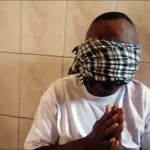
Those “gaps” have, in practice, included some of the most alarming episodes in Uganda’s recent political life. Former Kampala Lord Mayor and opposition lawyer Erias Lukwago was abducted in June and held at an undisclosed location, with Gen. Muhoozi himself posting images of a blindfolded Lukwago on social media before ordering his release days later amid domestic and international outcry. Veteran politician and one-time Museveni ally Miria Matembe, 72, was detained on 28 June after publicly criticising the wave of abductions and her home was raided days earlier. Opposition leader Dr Kizza Besigye has been held since November 2024. Uganda’s largest independent media house, Nation Media Group – publisher of the Daily Monitor and operator of NTV, KFM, Dembe FM and Spark TV – was taken off air by the military in June.
MOCKING BESIGYE, DISMISSING MATEMBE
Rather than distance himself from these episodes, Museveni used the address to mock the opposition figures at the centre of them. Of Besigye, held without trial for close to two years, he asked why “this great democrat and human rights fighter” would keep refusing to stand trial rather than use the courts to “prove his innocence.” He went further, asking rhetorically “why should the legal system for so long allow an accused person to just refuse to be tried?” – an argument rights lawyers say inverts the basic presumption of innocence Besigye’s own legal team has invoked in seeking his release.
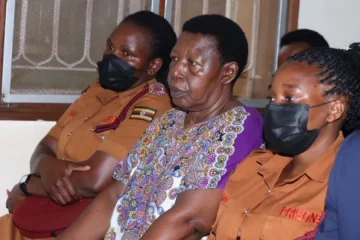
On Matembe, whose limping arrival at court in June drew public sympathy and was widely circulated on Ugandan social media, Museveni was dismissive to the point of derision, remarking that he “could even see my sister Matembe limping into court but forgot to limp when she was leaving court.”
BACKING THE MEDIA SHUTDOWN
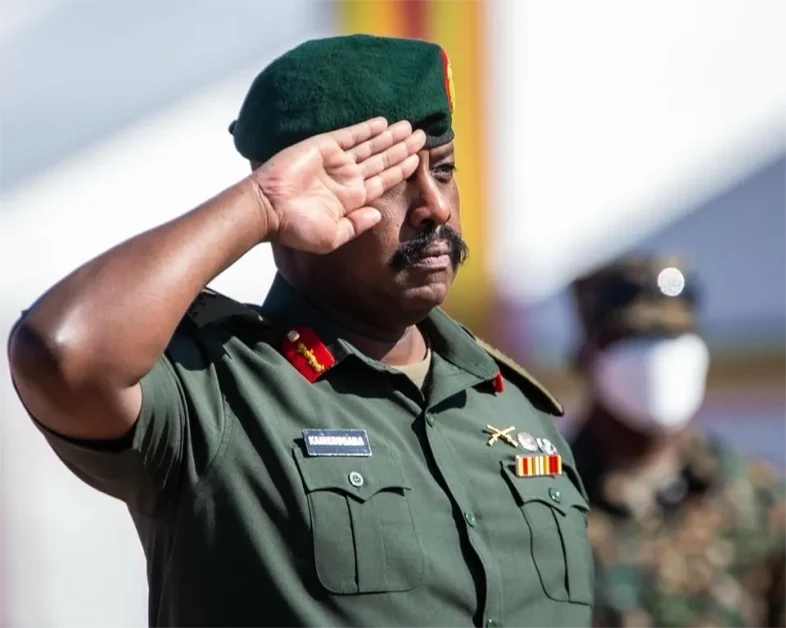
Museveni also explicitly endorsed Gen. Muhoozi’s position that Uganda’s press needs to be “disciplined,” a remark that preceded the June shutdown of Nation Media Group by military order. Muhoozi had announced the shutdown on social media, declaring at the time that he did not “believe in a free press” and that journalism should be “guided by cadres of the revolution.” In his address, Museveni cited approvingly what he called “one useful fact” from his son – that critics of Uganda’s media environment “go to Dubai where the press is disciplined and they appreciate it,” asking why the same standard should not apply at home.
He characterised opposition anger over the crackdown as itself the problem, describing what he called “fascist tendencies among some elements of the opposition” and invoking scenes from the disputed 2020 election period – including the assault of an unarmed policewoman and hooligans undressing women for wearing NRM colours – to argue that the security response was proportionate and overdue rather than authoritarian overreach.
A PATTERN CRITICS SAY POINTS TO SUCCESSION
Museveni’s address arrives against the backdrop of a broader debate, among Ugandan and international analysts, over whether power has already shifted decisively from the presidency to the 52-year-old Muhoozi, who many believe is being positioned to succeed his father. Human Rights Watch has documented mass arrests of opposition supporters and the forced disappearance of senior party figures following January’s election, in which Museveni was declared winner for a seventh term, and has said the pattern of abuse against Uganda’s opposition has reached alarming levels, stating plainly that opposing the president “is not a crime.”
For Museveni’s critics, Saturday’s address will do little to settle that debate. Rather than draw a line under the abductions and detentions, the president chose to defend them — and, in doing so, tied his own legacy more tightly than ever to the conduct of the son now running Uganda’s security state.