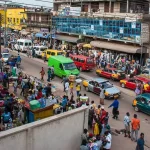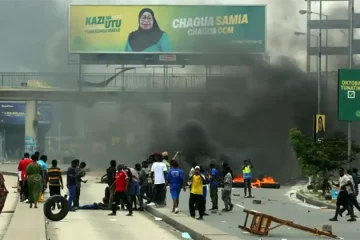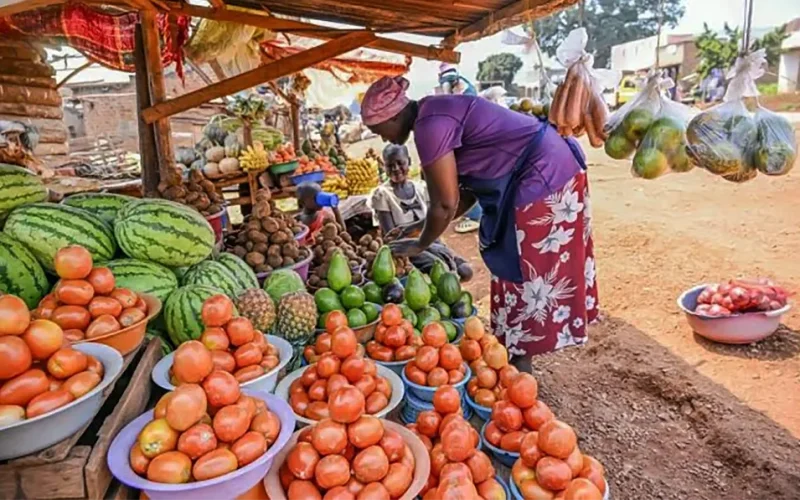
PRESIDENT Yoweri Museveni used his national address at the weekend to announce what amounts to a blanket ban on street hawking across Uganda, telling citizens that vendors must now operate only from registered shops, markets or supermarkets – a move that threatens the livelihoods of an informal workforce numbered in the hundreds of thousands, many of them women and young people with no other route into the economy.
The announcement came packaged as a response to concerns raised by the Inter-Religious Council over what Museveni called the “Trade Order,” but its practical effect is to formalise, nationally, a policy of clearing hawkers from the streets that has already been piloted in parts of western Uganda on security grounds.
“AN ECONOMY AND HEALTH KILLER”
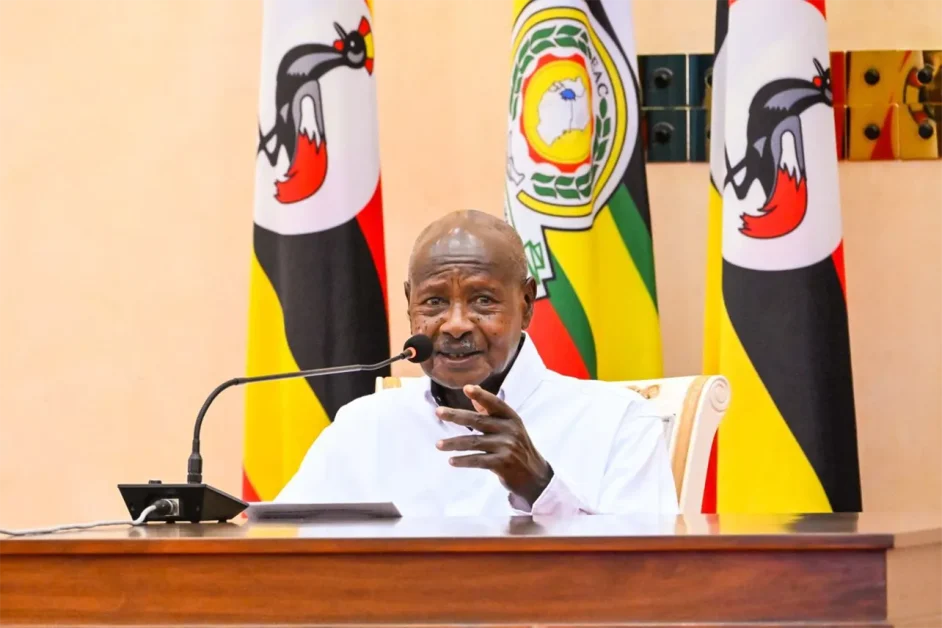
Museveni did not mince his language. “Hawking, is an economy and health killer,” he told the nation, arguing that untaxed, unregistered street trade starves formal shops and markets of customers while depriving the government of revenue on both rent and sales. “Selling must be in shops, markets or super-markets,” he said, adding that even there, vendors “must be licensed, identifiable, accountable and must be paying taxes.”
He was also unusually candid about the human cost of the policy he has spent decades taking partial credit for – improved health outcomes that have reduced deaths from disease. In a remark that drew on gallows humour, Museveni said he expected to be blamed for hurting one particular trade: “Very soon, I will be charged for damaging the business of the coffin-makers,” he said, arguing that fewer Ugandans dying of preventable disease was a trade-off he would gladly make.
On the specific question of hawkers displaced from the sidewalks, Museveni left the door only partly open, saying local governments “should look into the possibility of giving land for workplaces” for those pushed out – language that offers no firm commitment, timeline or funding, and stops well short of a resettlement plan.
A LONGER PATTERN OF CRACKDOWNS ON VENDORS
This is not the first time Uganda’s security establishment has moved against hawkers. In January 2022, the country’s Minister for Security ordered district and city security chiefs in the western region to bar hawkers from villages, citing intelligence that criminals were posing as traders to case homes for robbery. That order produced mixed reactions at the time: some residents welcomed it as a security measure, while others said itinerant vendors provided cheaper goods and easier access for rural households far from trading centres.
Museveni’s Saturday address elevates that logic from a regional security directive into declared national policy, folding hawking into the same speech in which he defended abductions and detentions as necessary “accountability” – a juxtaposition that will not be lost on Ugandans who depend on the informal trade to survive.
A SECTOR THAT ABSORBS THE JOBLESS
Hawking and other informal street trade have long functioned, across Uganda and much of the African continent, as the default safety net for those the formal economy cannot employ — school leavers, retrenched workers, rural migrants and women balancing trade with care work. Uganda has one of the youngest and fastest-growing populations in Africa, and analysts of the country’s economy have repeatedly flagged youth unemployment and weak formal job creation as among its most pressing challenges, even as GDP growth has held in the range of 6 to 7 percent in recent years on the back of oil production. Commentators reacting to Saturday’s address noted that many had hoped the president would instead use the platform to address the state of the economy, service delivery and joblessness directly, rather than the conduct of street vendors.
Whether Uganda’s markets, shopping centres and municipal authorities have the physical capacity, or the appetite, to absorb a workforce that has operated largely outside formal structures for decades remains an open question — one the president’s address did not answer.