Our website use cookies to improve and personalize your experience and to display advertisements (if any). Our website may also include cookies from third parties like Google Adsense, Google Analytics, and Youtube. By using the website, you consent to the use of cookies.

African Development Bank accelerates private sector investment drive in Zambia

African Development Bank accelerates private sector investment drive in Zambia

THE African Development Bank has significantly strengthened its commitment to driving private sector-led economic transformation in Zambia, launching a comprehensive financing initiative that positions the country as a priority destination for catalytic investment across infrastructure and agricultural value chains. During the inaugural Invest in Zambia International Conference, the Bank hosted a high-impact strategic session that brought together major private companies, financial institutions, development partners, and government officials to unlock new pathways for accelerated economic growth. The initiative represents a fundamental shift in the Bank's approach, with private sector development now serving as the central engine for Zambia's economic transformation strategy…
Read More
South Africa launches Ubuntu Initiative to transform African infrastructure through G20 platform

South Africa launches Ubuntu Initiative to transform African infrastructure through G20 platform

SOUTH AFRICA has unveiled an ambitious continental infrastructure initiative that leverages its historic G20 presidency to accelerate cross-border development projects across Africa, potentially transforming regional economic integration. The Ubuntu Initiative, launched during the first-ever G20 summit hosted by an African nation, represents a groundbreaking approach to addressing Africa's massive infrastructure deficit through coordinated regional cooperation and innovative financing mechanisms. National Treasury and the African Development Bank Group co-hosted the inaugural consultative meeting in Pretoria, bringing together senior officials from 15 African countries, all eight African Union-recognised Regional Economic Communities (RECs), and key continental institutions including AUDA-NEPAD. "This initiative is premised…
Read More
Doc film humanizes the impact of Ethiopia’s China-backed industrialization

Doc film humanizes the impact of Ethiopia’s China-backed industrialization

CHINESE investment in Africa has been accelerating, and with it, questions about who benefits and who bears the cost. Across the continent, Chinese-backed factories are changing the landscape and the lives tethered to it. In Ethiopia, rows of tomato fields that once stretched across Oromia were cleared between 2008 and 2012 to create space for factories within the Chinese-built and operated Eastern Industrial Zone. There, chimneys blast fumes into the sky — the sign of a new industrial order. But what does it feel like to live in this new order, as opposed to reading about it in GDP indicators…
Read More
Formal training protects and elevates domestic workers in Kenya

Formal training protects and elevates domestic workers in Kenya

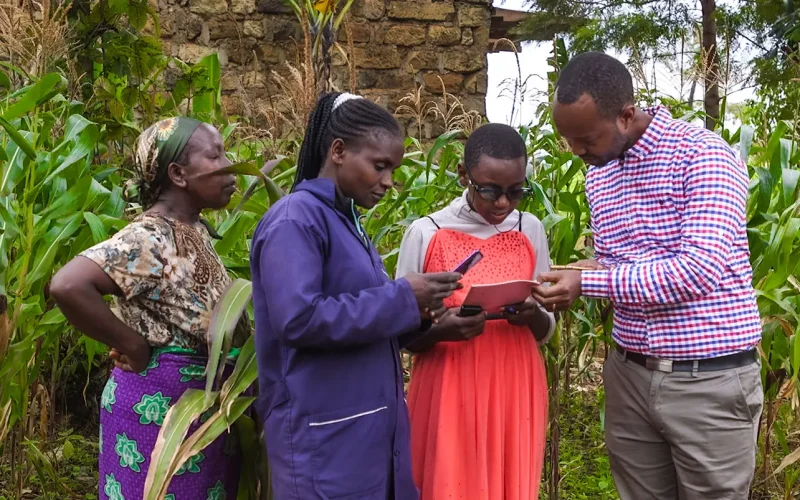
WHEN 23-year-old Faith Anyango stepped into a client’s house for an interview for a home manager in 2024, she didn’t just bring confidence. She brought credentials. Fresh from completing a six-week training in homecare management at the Centre for Domestic Training and Development (CDTD), she laid out her certificate. “The employer looked surprised,” she recalled during a telephone conversation. “She said, ‘You’re the first domestic worker I’ve met with actual training.’” That moment was made possible by years of groundwork laid by Edith Murogo, who has spent over two decades pushing for professionalism in domestic work. In 2001, Murogo turned…
Read More
Africa’s development banks are being undermined: the continent will pay the price

Africa’s development banks are being undermined: the continent will pay the price

GHANA and Zambia’s official creditors are pressing them to default on loans to two African multilateral financial institutions: the African Export-Import Bank (Afreximbank) and the Trade and Development Bank (TDB). These creditors, in effect, are demanding that the two countries prioritise repayments to themselves over payments to these two banks. As academics who have worked on the challenges of financing sustainable development in Africa, we believe this action is short-sighted. The action by Ghana and Zambia’s official creditors has two significant implications. First, they are demanding that the two countries treat Afreximbank and the Trade and Development Bank as commercial…
Read More
Climate change is making Africa’s debt burden worse – new debt contracts could help

Climate change is making Africa’s debt burden worse – new debt contracts could help

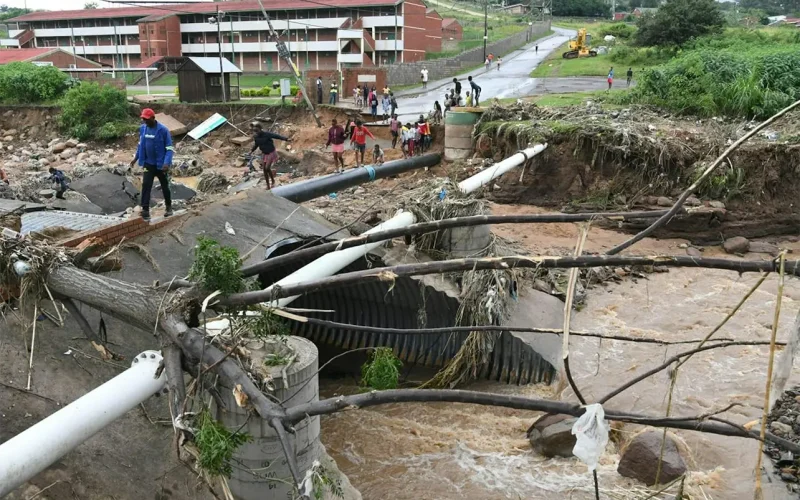
MANY African countries are already struggling with heavy debt burdens. Climate change is making this worse. Africa contributes the least to global emissions but suffers the most from extreme weather, rising temperatures and drought. These disasters affect not just people’s livelihoods but also national revenues, making debt repayment harder. Yet traditional debt contracts don’t account for this. The link between these pressure points is becoming undeniable. As climate-related disasters worsen, debt-laden countries are left with fewer public resources to protect their natural ecosystems and invest in health and education. When countries allocate more funds to debt repayment than to health…
Read More
Libya establishes ambitious energy and mining bank to drive post-conflict economic reconstruction

Libya establishes ambitious energy and mining bank to drive post-conflict economic reconstruction

IN a bold move to accelerate economic diversification and capitalise on Africa's vast untapped mineral and renewable energy wealth, Libyan authorities have established the Libya Energy and Mining Bank (LEMB), marking a significant milestone in the country's post-Gaddafi reconstruction efforts. The specialised development bank, led by Chairman Dr. Abdul Jabbar Erhoma, represents Libya's most ambitious attempt yet to move beyond oil dependency and position itself as a regional leader in sustainable energy and mining finance. The institution comes as Libya continues its long struggle toward stability following the 2011 overthrow of Muammar Gaddafi, which plunged the North African nation into…
Read More
One size fits none: How Africa is redefining sustainability standards on its own terms

One size fits none: How Africa is redefining sustainability standards on its own terms

FOR every purchase that contributes to a collective impact, they are keen to know the story behind their products - from carbon footprint to labour practices. This increasing consumer awareness is driving demand for ethical, eco-friendly products and pressuring companies to adopt sustainable practices. The Role of Sustainability Standards This is where sustainability standards become essential; they set clear environmental, social, and economic requirements for companies. When a company complies with these standards, it is issued a certificate by an accredited conformity assessment body and allowed to use a label on its products to signify compliance with the sustainability standards.…
Read More
Race against the clock: Can Kenya’s coffee sector meet the EU’s 2026 deforestation deadline?

Race against the clock: Can Kenya’s coffee sector meet the EU’s 2026 deforestation deadline?

STAKEHOLDERS within Kenya’s coffee sector are raising concerns over the country’s preparedness and readiness for the European Union Regulation on Deforestation-free Products (EUDR), which takes effect in January 2026. Farmers, cooperatives, coffee exporters, and service providers fear that the majority of smallholder coffee farmers risk losing the EU market for failure to comply with the EUDR policy. The regulation, which takes effect in January 2026, requires that coffee exported to the EU be traceable to plots of land proven to be free of deforestation or forest degradation after December 2020. The European Union Deforestation Regulation (EUDR) is a new law…
Read More
Ubuntu and Unity: South Africa’s G20 vision for Cross-Border Infrastructure Development in Africa

Ubuntu and Unity: South Africa’s G20 vision for Cross-Border Infrastructure Development in Africa

SOUTH Africa assumed the G20 Presidency at a time when the world faces multiple crises and challenges, exacerbated by rising geopolitical tensions and trade fragmentation. Addressing these challenges requires bold and collective action. Under the theme of Solidarity, Equality and Sustainability, our G20 Presidency aims to lead positive change for the benefit of shared prosperity and humanity. In these moments of fragmentation, Africa needs to unite. It is precisely in these moments that we should remember the unifying grand vision of African leaders such as Kwame Nkrumah, who dreamt of the United States of Africa. An integrated, prosperous and peaceful…
Read More