Our website use cookies to improve and personalize your experience and to display advertisements (if any). Our website may also include cookies from third parties like Google Adsense, Google Analytics, and Youtube. By using the website, you consent to the use of cookies.

Strait of Hormuz: Gulf states’ food security is at immediate risk but wider shortages could push up consumer prices globally

Strait of Hormuz: Gulf states’ food security is at immediate risk but wider shortages could push up consumer prices globally

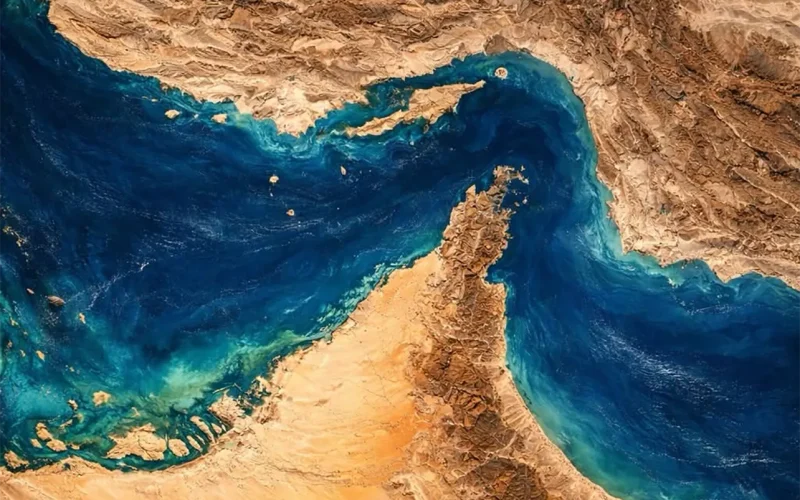
THE Iranian regime has announced the closure of the Strait of Hormuz and threatened to target ships attempting to transit the narrow waterway. Some have already been damaged. While this could seriously harm global energy supply and raise costs, the consequences actually extend far beyond these markets. The Strait of Hormuz, which sits to the south of Iran and connects the Persian Gulf with the Arabian Sea, is one of the most critical chokepoints for international trade. More than 30,000 ships, carrying around 11% of global seaborne trade by volume, transit the strait each year. And around 34% of seaborne…
Read More
The Iran war and global trade: will the Cape route become the new normal?

The Iran war and global trade: will the Cape route become the new normal?

EVENTS in the Middle East during February and March 2026 again disrupted the flows of shipping trade to the eastern and western spheres of the international system. Given that the global economy is maritime-based and rests on secure and predictable flows of goods by sea, the armed attacks on Iran and their maritime spillovers sharply underlined the vulnerability of global maritime trade and its value, which is embedded in safe and predictable deliveries of goods in the interconnected global system. Although armed attacks caught much of the attention, a more subtle development was playing out as shipping lines and insurers…
Read More
What Americans think of the war in Iran

What Americans think of the war in Iran

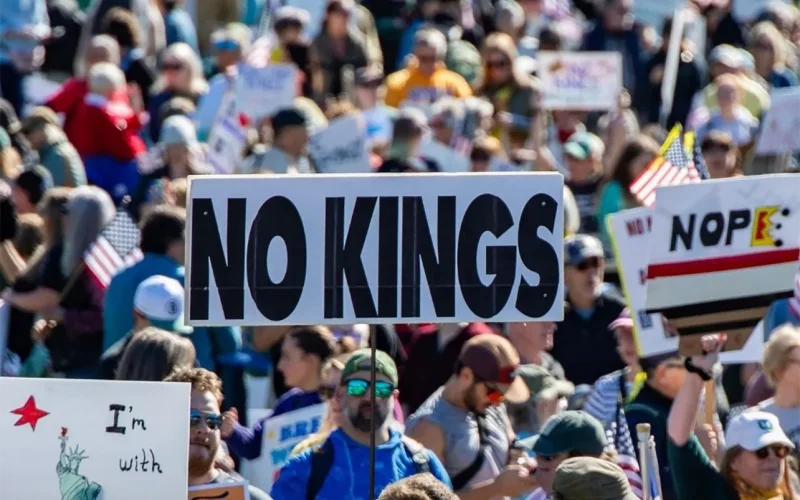
THE American people are bitterly divided over the conflict in Iran. The US president, Donald Trump, won office in 2024 after campaigning on a message of “no new wars”. So the conflict that began with airstrikes conducted with the Israeli military in the early hours of February 28, and which has quickly spread into the rest of the region, has polarised opinion across the country. An Economist/YouGov poll completed on March 2 provides early information about what Americans think of the war so far. The poll asked the following question: “Would you support or oppose the US using military force…
Read More
Who is Mojtaba Khamenei, Iran’s presumed next supreme leader? And would he bring change – or more brutal suppression?

Who is Mojtaba Khamenei, Iran’s presumed next supreme leader? And would he bring change – or more brutal suppression?

THE death of Iran’s supreme leader, Ali Khamenei, during the holy month of Ramadan marks one of the most consequential turning points in the history of the Islamic Republic of Iran. His successor, widely expected to be his son Mojtaba Khamenei, represents both continuity and contradiction in the revolutionary system established after the Iranian Revolution in 1979. At stake is not only who leads Iran, but what the Islamic Republic has become, nearly half a century after the revolution that promised an end to dynastic rule. Who is Mojtaba Khamenei? Mojtaba Khamenei is a cleric who has spent most of…
Read More
Donald Trump campaigned against ‘endless wars’. So why is he risking another one in Iran?

Donald Trump campaigned against ‘endless wars’. So why is he risking another one in Iran?

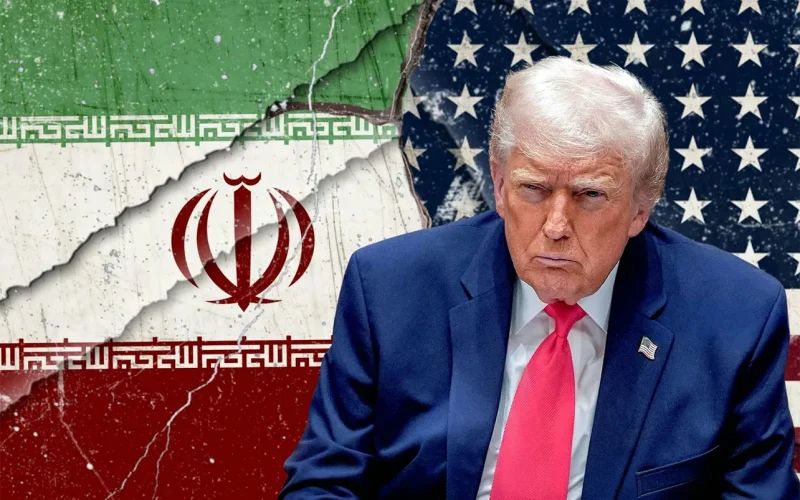
US President Donald Trump has summed up his rationale for attacking Iran fairly simply, saying, “This was our last best chance to strike”. Not known for adhering to any particular lasting strategy, Trump sees each day in the White House as an episode in a reality show in which he seeks an advantage over his rivals, if not to vanquish them. And Iran certainly qualifies as one of America’s most enduring rivals. To be sure, Trump’s claim that Iran posed an imminent threat to the US is hard to justify. After all, Iran’s military and proxy groups have never been…
Read More
Mourning, celebration and a divided legacy: why the death of Ali Khamenei reverberates far beyond Iran

Mourning, celebration and a divided legacy: why the death of Ali Khamenei reverberates far beyond Iran

THE death of Ayatollah Ali Khamenei triggered immediate and sharply polarised reactions in Iran and around the world. In some circles, it was openly celebrated as the end of an era associated with repression, theocracy and regional confrontation. In others, it was met with deep grief, prayers and public mourning. The division was visible far beyond Iran’s borders. In Sydney, Melbourne and New Zealand cities, some diaspora Iranians were celebrating in the streets. But several Shiite mosques and Islamic institutions organised public memorials and prayer sessions to mark his death. The response quickly became political. New South Wales Premier Chris…
Read More
UN refugee agency mobilizes across Middle East as regional war deepens displacement crisis

UN refugee agency mobilizes across Middle East as regional war deepens displacement crisis

THE United Nations refugee agency is deploying emergency staff across the Middle East in response to a rapidly intensifying regional conflict, warning that countries already hosting millions of displaced people face the prospect of catastrophic humanitarian collapse if fighting continues to spread. UNHCR said personnel are being mobilised from Iran and Afghanistan to Lebanon and Syria as the crisis deepens. In Lebanon, agency teams are distributing emergency relief supplies to displaced families sheltering in government-designated centres following Israeli military strikes and evacuation orders covering 53 villages across the south of the country, the Bekaa Valley and Beirut's southern suburbs. More…
Read More
Iran’s targeting of airport, ports and hotels in reaction to US strikes has forced Gulf nations onto front lines of a war they want no part in

Iran’s targeting of airport, ports and hotels in reaction to US strikes has forced Gulf nations onto front lines of a war they want no part in

WASHINGTON’S allies in the Persian Gulf have found themselves in a position they have long sought to avoid: on the front line and bearing the brunt of a widening Middle East conflict. Having been dragged into a war of choice by the U.S. – one which many around the world are calling a war of aggression – all six Gulf Cooperation Council nations have been struck by Iranian retaliatory attacks in response. Military facilities in Bahrain, Kuwait, Oman, Qatar, Saudi Arabia and the United Arab Emirates have all been hit. But the missiles and drones from Iran have been aimed…
Read More
Why surging oil prices are a shock for the global economy – but not yet a crisis

Why surging oil prices are a shock for the global economy – but not yet a crisis

GLOBAL oil markets have reacted swiftly to escalating tensions in the Middle East as the United States and Israel continue their assault on Iran. After oil tanker traffic through a key chokepoint, the Strait of Hormuz, stopped, the benchmark oil price, Brent crude, jumped about 6% to over US$77 a barrel. It initially spiked as high as US$82, its highest level since January 2025. A roughly US$10 jump in a matter of days is a significant move and delivers an immediate inflationary jolt for oil-importing economies. What does this mean for households, businesses and central banks? Why oil still matters…
Read More
Iran war: America’s shame and the continuing ruination of a region

Iran war: America’s shame and the continuing ruination of a region

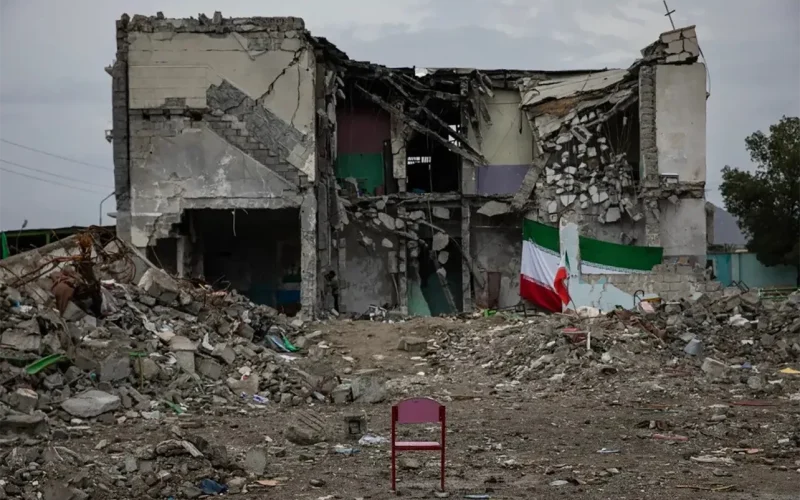
THE US and Israel have launched another war against Iran. This one is different from the 12-day war last June that primarily targeted Iran’s nuclear programme. The goal this time is regime change. Israeli Prime Minister Benjamin Netanyahu has finally found a US government willing to go down the path of all-out aggression against Iran that he’s been advocating for for decades. This story was originally published by The New Humanitarian.By Eric Reidy The Iranian regime has been decapitated. Ayatollah Ali Khamenei is dead, as are other senior figures. But whether the regime will fall is very much an open…
Read More