THE morning sun cast long shadows across the Union Buildings in Pretoria as President Cyril Ramaphosa issued a proclamation that would officially mark one of South Africa’s most solemn weeks in recent memory. The document before him declared that former Deputy President David Dabede Mabuza would receive the nation’s second-highest honour – a State Funeral Category 2 – following his unexpected passing on Thursday, 3 July 2025.
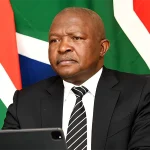
At 64, Mabuza had been a towering figure in South African politics for decades. His journey from educator to activist, from provincial leader to the second-highest office in the land, embodied the complex tapestry of post-apartheid South Africa. Now, as news of his death after a short illness spread across the country, the nation prepared to bid farewell to a man who had shaped its democratic trajectory.
The proclamation was clear and dignified in its language, reflecting the gravity of the moment. The State Funeral Category 2, as outlined in the State, Official and Provincial Official Funeral Policy Manual of The Presidency, was reserved for only the most senior figures in the republic – the Deputy President, Acting Presidents, and Former Deputy Presidents. It was a recognition befitting someone who had stood at the apex of South African governance.
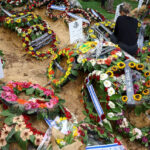
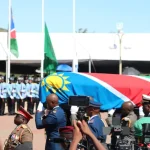
In the coming days, the rolling hills of Mpumalanga, Mabuza’s home province, would witness scenes of both celebration and mourning. The province that had nurtured his political career and watched him rise to national prominence would now welcome him home for the final time. Military ceremonial honours would mark the occasion, with the precision and solemnity that such state occasions demanded.
But before the formal ceremonies, the nation would pause. President Ramaphosa’s declaration of Days of National Mourning from Monday, 7 July, until Saturday evening, 12 July, meant that for six days, South Africa would collectively reflect on Mabuza’s legacy. Across the country, from the bustling streets of Johannesburg to the quiet rural towns of Limpopo, from the coastal cities of Cape Town and Durban to the administrative capital of Pretoria, flags would fly at half-mast.
These flags, symbols of the rainbow nation’s hard-won democracy, would serve as visible reminders of a life dedicated to public service. They would flutter in the Cape Town wind, hang solemnly in the Johannesburg smog, and wave gently in the Mpumalanga breeze—each one a testament to the man who had helped guide the country through some of its most challenging years.
As the week progressed, stories would emerge from across the political spectrum. Colleagues would remember his strategic mind, his ability to navigate complex political terrain, and his unwavering commitment to the African National Congress. Critics would acknowledge his controversial moments while recognizing his contributions to the democratic project. Ordinary citizens would recall encounters with a man who, despite his high office, remained connected to the communities that had shaped him.
The Mabuza family, grieving in private while the nation mourned in public, would find themselves at the centre of an outpouring of support. President Ramaphosa’s personal condolences reflected not just the formal relationship between leaders, but the human dimension of loss that transcends political boundaries. In their grief, they would be reminded that their husband, father, and grandfather had also been the nation’s leader and that his passing marked not just a personal loss, but a national one.
Educational institutions across the country would use the mourning period to reflect on Mabuza’s early career as an educator. His transition from the classroom to the political arena represented a common thread in South African leadership—the teacher who became a nation-builder, the intellectual who became a strategist, and the local leader who rose to national prominence.
As Saturday, 12 July approached, preparations in Mpumalanga would intensify. The logistics of a state funeral – security arrangements, protocol considerations, international delegations, and media coverage – would transform the province into the focal point of national attention. Yet beneath the ceremonial grandeur would be the simple truth of a community saying goodbye to one of its own.
The military honours, the formal processions, the speeches from dignitaries – all would serve their purpose in marking the official end of a significant political career. But perhaps the most enduring image would be simpler: flags at half-mast across a nation, ordinary citizens pausing in their daily routines to remember a leader who had been part of their journey toward a more perfect democracy.
In the end, the Days of National Mourning would serve as more than just a formal protocol. They would provide space for reflection on leadership, the complexities of governance, and on the ongoing work of building a nation that honours both its struggles and its achievements. David Mabuza’s legacy would be debated and analyzed for years to come, but during those six days in July, South Africa would simply pause to acknowledge that one of its own had completed his journey.
As the flags returned to full mast on Saturday evening, the nation would carry forward the memory of a man who had been, in President Ramaphosa’s words, “a family member, activist, educator, intellectual and leader in government who contributed greatly to the attainment of freedom and development in our society.” The mourning period would end, but the reflection on his contribution to South Africa’s continuing story would endure.
President Cyril Ramaphosa on the passing of former Deputy President David Mabuza
— South African Government (@GovernmentZA) July 3, 2025
I have learned with deep sadness of the passing of former Deputy President and former Premier of Mpumalanga David Dabede Mabuza.
Deputy President Mabuza passed away today, Thursday, 3 July 2025, at… pic.twitter.com/leBXTd5eTm