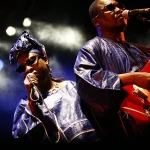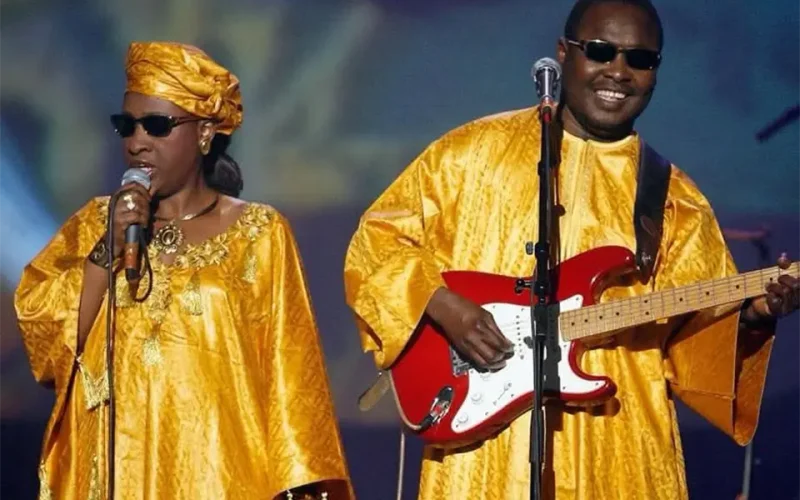
THE world is mourning the loss of Amadou Bagayoko, the legendary Malian guitarist and singer who passed away at the age of 70. As one-half of the globally celebrated duo Amadou & Mariam, Bagayoko’s life and music transcended borders, blending traditional West African sounds with rock, blues, and pop to create a genre-defying legacy that captivated audiences worldwide.
Born in Bamako in 1954, Amadou lost his sight as a teenager due to congenital cataracts. Yet, this challenge only fueled his creative spirit. At Mali’s Institute for Young Blind People, he met Mariam Doumbia, a fellow musician who would become not only his wife but also his lifelong musical partner. Together, they forged a path that elevated Malian music to international acclaim. Their partnership was more than just musical—it was a testament to resilience, love, and boundless creativity.
The duo’s breakthrough came with their 2004 album *Dimanche à Bamako*, produced by Manu Chao. This record resonated globally, earning them accolades such as the BBC Radio Award for World Music and France’s Victoires de la Musique award. Their 2008 album *Welcome to Mali* garnered a Grammy nomination for Best Contemporary World Music Album, cementing their status as global icons.
Amadou & Mariam’s performances were as remarkable as their music. They opened for Coldplay in 2009, played at the Nobel Peace Prize concert when Barack Obama was honoured, and graced stages at festivals like Glastonbury. They even composed the official song for the 2006 FIFA World Cup. Their ability to connect with audiences across cultures was unparalleled, and their music became a bridge between Africa and the world.
Tributes have poured in from around the globe since news of Amadou’s passing broke. French-Spanish musician Manu Chao shared an emotional message: “Amadou! We’ll always be together… with you wherever you go.” Senegalese superstar Youssou N’Dour expressed his sorrow, saying, “I will never forget his friendship. My thoughts are with my dear Mariam.” These sentiments echo the grief felt by fans and artists alike who have been touched by Amadou’s artistry.
Malian Culture Minister Mamou Daffé described Bagayoko as “a blind man who made his mark on the Malian and international scene,” emphasizing his role as a cultural ambassador for Mali. His passing marks not just the end of an extraordinary career but also the loss of a visionary who used music to advocate for inclusion and celebrate diversity.
Amadou Bagayoko’s legacy lives on through his timeless music and the countless lives he inspired. From Bamako to Glastonbury, his guitar strings wove stories of hope, love, and unity that will continue to resonate for generations. As Mariam Doumbia carries forward their shared dream, the world will remember Amadou not just as a musician but as a symbol of what is possible when talent meets determination. Rest in peace, Amadou Bagayoko—your music will echo forever.
Tributes to Amadou Bagayoko, the legendary Malian musician, have poured in on social media from fans, fellow artists, and cultural figures around the world, reflecting the profound impact he had on global music and culture.
-French-Spanish musician Manu Chao, who produced Amadou & Mariam’s breakthrough album *Dimanche à Bamako*, shared a heartfelt message: “Amadou! We’ll always be together… with you wherever you go” – a testament to their enduring friendship and collaboration.
Senegalese singer-songwriter Youssou N’Dour expressed his sorrow, saying, “I will never forget his friendship. My thoughts are with my dear Mariam,” highlighting the personal and professional bond they shared.
Social media users from across Africa and beyond have celebrated his contributions to world music, sharing clips of performances, lyrics from iconic songs like *Dimanche à Bamako*, and personal anecdotes about how his music touched their lives.
Fellow musicians and fans have posted tributes praising Amadou & Mariam’s ability to blend traditional Malian sounds with Western rock and blues influences. Many highlighted their Grammy-nominated album *Welcome to Mali* as a groundbreaking achievement that brought African music to global prominence[5].
Posts have also recalled Amadou’s unforgettable performances at major events like the Nobel Peace Prize concert, Glastonbury Festival, and the FIFA World Cup anthem, celebrating his ability to unite audiences across cultures.
Fans have shared stories of how Amadou & Mariam’s music inspired them to explore African culture and traditions. Others emphasized their advocacy for inclusivity, particularly for people living with disabilities, which resonated deeply worldwide.
Tributes have included images of Amadou performing alongside icons like Damon Albarn of Gorillaz and David Gilmour of Pink Floyd, showcasing his ability to collaborate across genres while staying rooted in Malian heritage.
The iconic duo Amadou & Mariam left behind a legacy of unforgettable performances that showcased his ability to bridge cultures and captivate audiences worldwide. Here are some of his most memorable appearances:
1. Nobel Peace Prize Concert (2009)
Amadou & Mariam performed at the Nobel Peace Prize ceremony when U.S. President Barack Obama was awarded the prize. Their music added a powerful and uplifting tone to the event, marking one of the duo’s most prestigious global appearances[1][4].
2. Opening for Coldplay (2009)
The duo supported British band Coldplay during their *Viva la Vida* tour, playing eight shows across Europe. Their unique blend of Malian rhythms and Western influences resonated with Coldplay’s audience, further expanding their international fan base[1][4].
3. Glastonbury Festival (2009)
Amadou & Mariam graced the main stage at the UK’s Glastonbury Festival, one of the world’s biggest music events. Their electrifying performance solidified their reputation as global music icons capable of captivating massive crowds[1][4].
4. FIFA World Cup Anthem Performance (2006)
The duo composed and performed “Celebrate the Day,” the official anthem for the 2006 FIFA World Cup in Germany. The song topped the German charts and became a symbol of unity through music during one of the world’s largest sporting events[1][4].
5. Tiny Desk Concert (2018)
In an intimate setting at NPR’s Tiny Desk Concert series, Amadou & Mariam delivered a stripped-down performance that highlighted their melodic guitar work and soulful vocals. This session showcased their ability to connect deeply with audiences even in minimalist formats[2].
6. Coachella and Lollapalooza Festivals
Amadou & Mariam brought their vibrant sound to major U.S. festivals like Coachella and Lollapalooza, introducing their Afro-rock fusion to younger American audiences and earning critical acclaim for their dynamic stage presence[4].
7. Collaboration with Damon Albarn’s Africa Express Project (2007)
At Glastonbury, they participated in Damon Albarn’s Africa Express project alongside artists like Fatboy Slim and Tinariwen. This collaborative performance celebrated African music’s influence on global sounds[4].
8. Kick-Off Celebration for FIFA 2010 World Cup
In South Africa, they performed alongside stars like Alicia Keys and Shakira at the opening ceremony for the FIFA 2010 World Cup, reaching an audience of millions both live and via television broadcasts[4].
9. Concerts in Darkness – *Eclipse* (2011)
Amadou & Mariam staged groundbreaking concerts in total darkness during the Manchester International Festival and later in London and Paris. These performances invited audiences to experience music without visual distractions, emphasizing sound and emotion[4].
10. Union Chapel Charity Gig with David Gilmour (2009)
In a special charity concert supporting homeless initiatives, Pink Floyd guitarist David Gilmour joined Amadou & Mariam onstage for an unforgettable set at London’s Union Chapel, blending rock and African rhythms seamlessly[4].
Amadou & Mariam’s performances were not just musical events – they were cultural experiences that united diverse audiences through rhythm, melody, and storytelling. Their ability to innovate while staying true to his roots ensured these moments will remain etched in history as milestones in world music.