MORE than 70,000 Congolese refugees who fled escalating violence in eastern Democratic Republic of Congo (DRC) are facing dire living conditions in Burundi, with many caught between overcrowded camps and unaffordable urban living.
The recent influx, described by the UN as the largest Burundi has faced in decades, comes as Rwanda-backed M23 rebels have seized major cities in eastern DRC, including Bukavu and Goma. The conflict has internally displaced millions and pushed nearly 140,000 across borders since January.
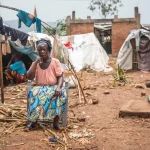
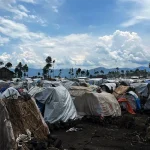
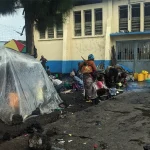
Burundian authorities have directed refugees away from border transit centres to Musenyi camp in southeastern Burundi, a site with an initial capacity of just 10,000 people. Despite resistance from many refugees, approximately 20,000 now live in the camp, which UNHCR has deemed “unsustainable” and where Médecins Sans Frontières has declared a “humanitarian and health emergency.”
“Life in the camp is difficult,” said one refugee who requested anonymity. “There’s mud everywhere because of the rain, and there will undoubtedly be malaria because there are ponds of water everywhere.”
Multiple refugees reported deaths in the camp, including elderly and ill individuals unable to access adequate medical care. Poor drainage has led to flooding of shelters, while mobile network coverage is limited, isolating refugees from outside contact.
Several refugees alleged that some were forced to relocate to Musenyi under police pressure. “Since pressure mounted on refugees to leave the transit centre for Musenyi, I know at least 10 who returned [to DRC],” said Maneno Mtumikua, a refugee and community leader.
UNHCR spokesperson Faith Kasina said the agency was unaware of forced transfers and that relocations were necessary due to security risks and poor sanitation at border sites. She acknowledged that funding shortages have created “critical limitations” in providing services.
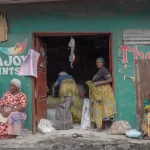
Refugees who avoided the camp by renting accommodations in cities like Bujumbura or border areas in Cibitoke province face different challenges, including high costs and limited humanitarian support. Aid officials speaking anonymously said Burundi’s interior ministry has instructed relief organisations to focus assistance on the camp rather than border areas.
Security forces have also conducted raids on Congolese refugees in Bujumbura, allegedly to distinguish newly arrived unregistered refugees from those already documented in the country.
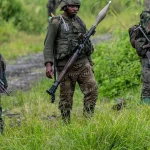
Burundi’s involvement in the DRC conflict adds another layer of complexity, as its troops support the Congolese army against M23 rebels. The situation has further strained relations between Burundi and Rwanda.
Despite the harsh conditions, many refugees express reluctance to return home due to ongoing violence in the DRC. One women’s rights advocate who fled said, “Even if there is settled peace, I won’t go back to Congo,” citing threats from escaped prisoners released during M23’s advance.
The refugee crisis unfolds as humanitarian organisations face significant funding cuts, with UNHCR describing an “impossible” balance between emergency response needs and pressure to reduce operations due to financial constraints.
Read: Humanitarian aid depends on good data: what’s wrong with the way it’s collected