IN a bold declaration that could reshape the Horn of Africa’s economic landscape, Ethiopian Prime Minister Abiy Ahmed has unveiled a sweeping $30 billion infrastructure transformation that positions the nation as a continental powerhouse, anchored by Africa’s most ambitious nuclear power program and a constellation of mega-projects designed to catapult Ethiopia into the ranks of middle-income nations.
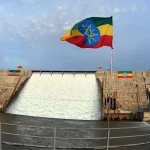
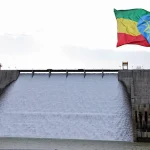
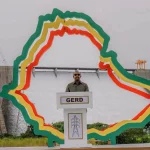
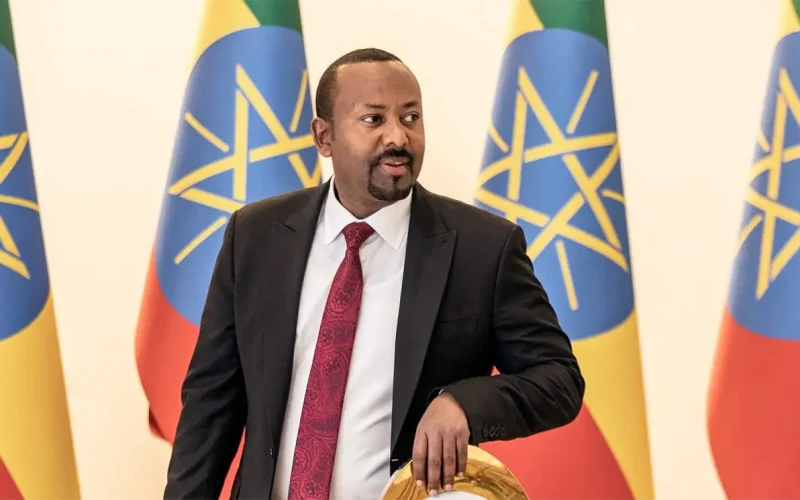
Standing before a packed audience at the recent inauguration of the Grand Ethiopian Renaissance Dam (GERD), Abiy painted a vision of Ethiopia’s future that rivals the most audacious development programs on the continent. At the heart of this transformation lies a groundbreaking nuclear power facility featuring two colossal 1,200-megawatt reactor units, scheduled to begin operations between 2032 and 2034 — a project the Prime Minister described as matching GERD’s scale and transformative potential.
“The time for Ethiopia’s revival has been announced in every direction,” declared Dr. Abiy, his voice resonating with the confidence of a leader who has already delivered one of Africa’s largest infrastructure projects. “I ask you to be ready for the difficult tasks that await us, rather than talking about the great deeds we have already done.”
Nuclear Ambitions Rooted in Strategic Vision
The nuclear program represents far more than an energy project — it embodies Ethiopia’s emergence as a regional technological leader. Building on a decade of strategic partnerships, particularly with Russia through Rosatom agreements dating back to 2018, the initiative promises to deliver 2,400 megawatts of clean, reliable baseload power that will anchor the nation’s industrial transformation.
The nuclear facilities will complement Ethiopia’s hydropower-dominated energy mix, providing crucial stability against climate variability that has historically threatened the nation’s electricity security. With technical studies already underway through the International Atomic Energy Agency’s framework and feasibility assessments for a Nuclear Science & Technology Centre progressing, the program reflects years of careful preparation rather than impulsive ambition.
Aviation Hub to Dominate African Skies
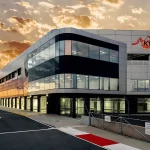
The infrastructure revolution extends far beyond nuclear energy. Ethiopian Airlines, already Africa’s largest carrier, will soon break ground on a new airport complex designed to become the continent’s premier aviation hub — a strategic masterstroke that leverages Ethiopia’s geographical position as the crossroads between Africa, Asia, and Europe.
This aviation expansion positions Addis Ababa to capture an increasing share of Africa’s rapidly growing air travel market, potentially transforming the nation into the Singapore of Africa — a regional gateway that generates billions in transit revenue while cementing Ethiopia’s role as the continent’s diplomatic and commercial capital.
Energy Independence Through Industrial Diversification
The government’s industrial strategy unfolds across multiple sectors simultaneously. Within weeks, Ethiopia will inaugurate its first gas processing facility, immediately followed by construction of a second plant ten times larger — a dramatic scaling that reflects the administration’s confidence in domestic energy resources and international market opportunities.
The long-awaited oil refinery project, a cornerstone of energy independence, will finally move from planning to construction, potentially ending Ethiopia’s reliance on imported petroleum products while generating foreign exchange through regional exports. Complementing these energy investments, a new fertiliser factory will boost agricultural productivity in a nation where farming employs over 70% of the population.
Housing Revolution Addresses Urban Growth
Perhaps most significantly for ordinary Ethiopians, the government has committed to constructing a minimum of 1.5 million houses over the next five to six years — an unprecedented residential program that addresses rapid urbanisation while creating hundreds of thousands of jobs in construction and related industries.
This housing initiative represents more than shelter provision; it constitutes a massive stimulus program that will drive demand across multiple economic sectors, from cement and steel production to furniture manufacturing and financial services.
Continental Inspiration Through Ethiopian Achievement
Dr. Abiy positioned these projects not merely as national development initiatives but as continental inspiration. “These projects, collectively valued at over $30 billion, are designed to showcase Ethiopia’s progress and inspire the continent,” he emphasised, explicitly linking Ethiopian success to broader African advancement.
The nuclear program, in particular, could establish Ethiopia as Africa’s nuclear technology leader, potentially offering expertise and services to other African nations pursuing similar programs. The aviation hub strategy similarly positions Ethiopia to capture increasing intra-African trade and travel flows as continental integration accelerates.
Challenges and Strategic Calculations
The ambitious timeline and massive financial commitment reflect both opportunity and risk. Nuclear power development requires sophisticated regulatory frameworks, highly trained personnel, and unwavering safety protocols — capabilities Ethiopia is systematically building through international partnerships and domestic institutional development.
Geopolitically, the nuclear program introduces new dynamics in a region already reshaped by GERD’s completion. While anchored in peaceful applications and international safeguards, nuclear capability inevitably alters regional power calculations and requires careful diplomatic management.
The $30 billion investment commitment dwarfs previous Ethiopian infrastructure spending and will require innovative financing mechanisms, likely combining government resources, international partnerships, and private investment across multiple projects simultaneously.
National Unity as Development Foundation
Dr. Abiy concluded his announcement with a call for national unity, recognising that transformative development requires broad social consensus. “I call for national unity to make this vision a reality,” he declared, understanding that mega-projects succeed only when supported by engaged, committed populations.
The Prime Minister’s emphasis on future challenges rather than past achievements signals a leadership style focused on continuous advancement rather than complacency — a perspective essential for managing complex, long-term development programs across multiple sectors.
As Ethiopia embarks on this infrastructure revolution, the nation stands poised to redefine its continental role, transitioning from aid recipient to regional powerhouse, from energy importer to nuclear technology leader, from landlocked constraint to aviation hub advantage.
The success of this $30 billion gamble will determine not only Ethiopia’s development trajectory but could establish a new model for African transformation — one driven by bold vision, strategic patience, and unwavering commitment to continental leadership through national excellence.