ALMOST 100,000 people have been displaced in just two weeks as armed attacks escalate and spread across northern Mozambique, the UN refugee agency warned on Monday.
The UN High Commissioner for Refugees (UNHCR) said intensifying violence is forcing families to flee at an unprecedented rate, with humanitarian capacity failing to keep up with rapidly growing needs.
“Armed groups stormed their villages – often at night – burning homes, attacking civilians, and forcing families to flee with nothing,” said Xavier Creach, UNHCR’s representative in Mozambique, speaking at a briefing in Geneva.
Survivors described chaotic escapes in which parents lost sight of their children and elderly relatives were left behind in the panic. For many families, this marks the second or third displacement this year as violence follows them into areas previously considered safe.
The conflict, which erupted in Cabo Delgado Province in 2017, has already uprooted more than 1.3 million people. But 2025 has brought a dangerous escalation, with attacks now occurring simultaneously across multiple locations and spreading into neighbouring Nampula Province, which had been hosting displaced families.
“Civilians have almost no warning,” Creach said, describing how families arrive at makeshift sites in schools and open spaces after walking for days in extreme fear. Many have no identity documents and no access to essential services.
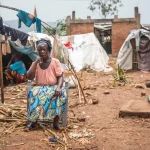
The sudden influx is overwhelming fragile host communities already facing their own security challenges. Schools, churches and open spaces are packed with newly arrived families, many sleeping outdoors without adequate lighting or privacy.
“Women and girls, who already faced perilous journeys to safety, are exposed to new risks of sexual and gender violence,” Creach warned. He noted that older people and those with disabilities are struggling in sites not equipped for their needs.
Children have arrived exhausted and traumatised after days of walking, some malnourished with swollen feet. Many are unaccompanied or separated from their families.
Humanitarian teams are working to identify those at greatest risk, reunite families and provide mental health support. Help desks have been established to distribute dignity kits and mobility devices, and assist families in replacing lost documents.
However, the response is running out of resources. Critical services, including protection, shelter, food, water and sanitation, are under severe strain.
“Humanitarian actors collectively – UN agencies, national and international NGOs, government institutions, the private sector, and communities themselves through local solidarity efforts – cannot sustain the response without additional support and resources,” Creach said.
UNHCR is appealing for $38.2 million for 2026 to meet rising needs. This year’s response received only 50 percent of the $42.7 million required.
The agency is calling for urgent international support to protect displaced people, reinforce host communities and prevent further deterioration, while stressing that addressing the root causes of the conflict remains crucial to restoring stability.