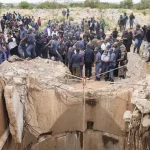
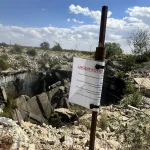
THE metal cage has made its final descent into the Stilfontein mine shaft. The numbers are now final, etched into South Africa’s mining history with the cold precision of a coroner’s report: 78 bodies recovered, 246 miners arrested, and countless questions that will haunt the nation’s conscience for years to come.
Two kilometres below the earth’s surface, where men once sought their fortune in gold-flecked rock, only silence remains. The rescue operation has ended, but its conclusion offers no real closure. Instead, it marks the beginning of a different kind of reckoning – in courtrooms, in communities, and in the national consciousness.
The arrested miners, predominantly from neighbouring countries like Mozambique, Zimbabwe, and Lesotho, now face the full weight of South African law. Their journey from the depths of the earth has led them not to freedom, but to cells where they await trial for illegal mining, trespassing, and immigration violations. The justice system that ordered their rescue must now determine their punishment.
Outside the mine, family members who waited months for news of their loved ones, must now either face the finality of death or grapple with the reality of their relatives’ incarceration. Their stories reflect the human cost of what the government calls “a war on the economy” – a war that has left 78 families planning funerals instead of reunions.
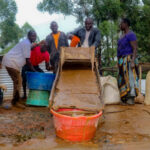
The end of the rescue mission has intensified rather than resolved the debate about South Africa’s approach to illegal mining. Human rights activists point to the death toll as evidence of a policy gone wrong – the result of a months-long siege that cut off food and water supplies in an attempt to “smoke out” the miners. The government maintains its position: illegal mining threatens national security and economic stability, with losses running into billions of rand annually.
Yet the final numbers tell a story that transcends statistics. Each of the 78 bodies recovered represents a desperate gamble gone wrong, a life ended in darkness. The 268 survivors face an uncertain future in a legal system determined to send a message about the consequences of illegal mining.
As the dust settles over Stilfontein, South Africa faces uncomfortable questions about the price of economic protection, the value of human life, and the desperation that drives men to risk everything in the abandoned caverns of its mining industry. The operation may be over, but its echoes will resonate through courtrooms, communities, and consciences for years to come.
In the end, the Stilfontein crisis has left South Africa with a pyrrhic victory – a successful operation by the numbers, but one that raises more questions than it answers about justice, humanity, and the true cost of protecting national resources in a region where poverty knows no borders.