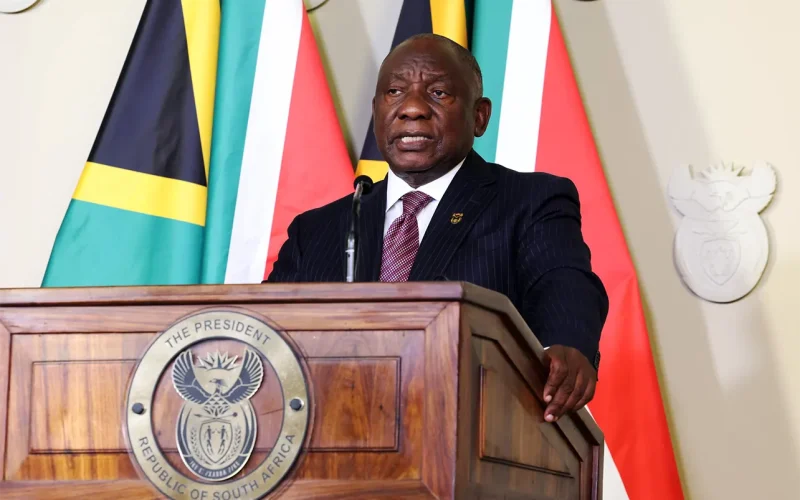
IN an emotionally charged address from the Union Buildings in Tshwane, South African President Cyril Ramaphosa has unveiled an extensive plan to combat a food safety crisis that has claimed the lives of 22 children since September, including six young victims in Soweto’s Naledi township.
“Few words can adequately convey our sadness and our pain as a nation,” Ramaphosa declared, acknowledging the devastating impact on families across the country. “The young children who died weren’t just children of their families. They were our children.”
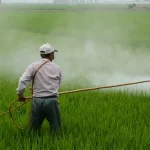
The crisis has been linked to a lethal agricultural pesticide called Terbufos, which investigators found on food packaging connected to the deaths. Despite being restricted to agricultural use, the hazardous chemical has been illegally sold as a street pesticide for rat control in townships and informal settlements.
Ramaphosa’s government has announced a three-pronged strategy backed by a R500 million joint fund:
Immediate Crackdown:
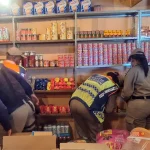
– Immediate closure of implicated spaza shops
– Mandatory registration of all food-handling facilities within 21 days
– Door-to-door inspections of all informal traders, starting in the hardest-hit provinces of Gauteng and KwaZulu-Natal
– Criminal investigation and prosecution of those selling illegal pesticides
Child Protection Measures:
– New safety protocols for all schools
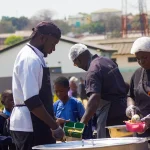
– Stringent vetting of school food suppliers
– Classification of certain pesticides as “dangerous objects” banned from school premises
– Nationwide public education campaign on food safety
Prevention Strategies:
– Formation of a specialized Health Advisory Committee
– Enhanced death notification system for children under 12
– Strengthened biosecurity controls at ports of entry
– Municipal cleanup campaigns to address rat infestations
– Improved regulation of agricultural pesticides
The investigation revealed a complex web of contributing factors, including poor waste management in municipalities that has led to rat infestations, pushing desperate communities toward dangerous pesticide solutions. “Our people have every right to be upset and to be angry in the face of such tragedies,” Ramaphosa acknowledged.
The president emphasized that the crisis affects all communities, dismissing suggestions that foreign-owned shops were specifically to blame. “There is no evidence that the problem is confined to spaza shops owned by foreign nationals only,” he stated firmly.
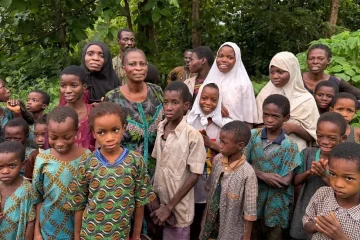
For grieving families like those in Naledi, where the youngest victim was just six years old, these measures come too late. Yet Ramaphosa’s comprehensive response signals a determined effort to prevent future tragedies. “By working together, by enforcing the law, by being alert and responsible, we will be able to bring an end to these tragedies,” he promised.
As South Africa grapples with this crisis, the effectiveness of these sweeping measures will be closely watched by a nation demanding justice for its lost children.