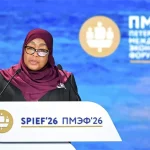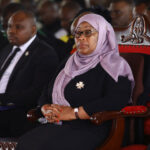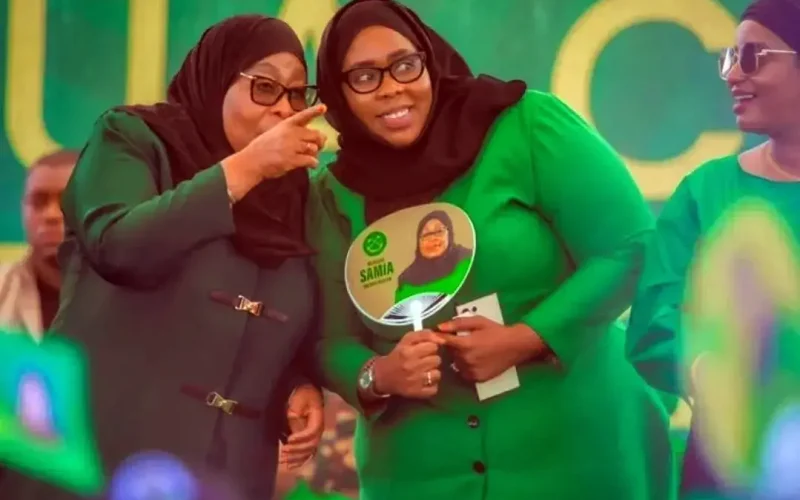
PRESIDENT Samia Suluhu Hassan of Tanzania has appointed her daughter and son-in-law to senior cabinet positions in a sweeping government reshuffle announced just weeks after a disputed election marred by deadly violence that claimed an unknown number of lives.
The appointments, made during a televised address from State House in Dodoma on November 17, have intensified criticism that the president is consolidating power within her inner circle at a time when Tanzania faces international condemnation over election-related killings and mass arrests.
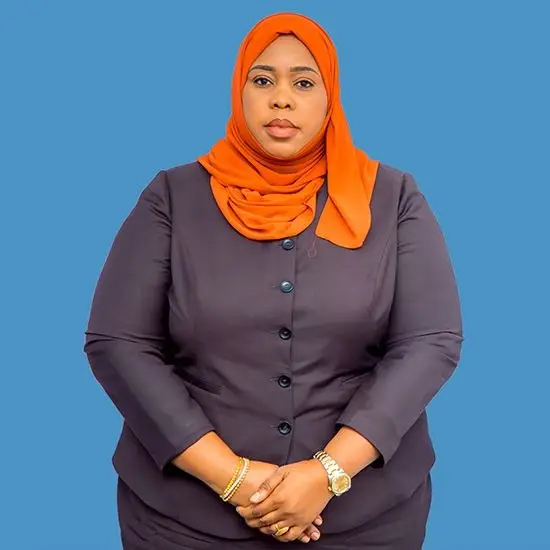
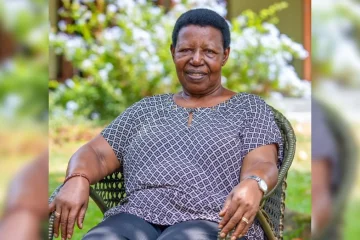
Wanu Hafidh Ameir, 43, the president’s only daughter, was named Deputy Minister of Education, Science and Technology, where she will serve under Minister Professor Adolf Mkenda. Her husband, Mohamed Mchengerwa, 46, was appointed Minister of Health, taking over one of the government’s most critical portfolios.
Both are members of parliament representing constituencies in Zanzibar and Pwani Region, respectively, and have been active in the ruling Chama Cha Mapinduzi (CCM) party for years.
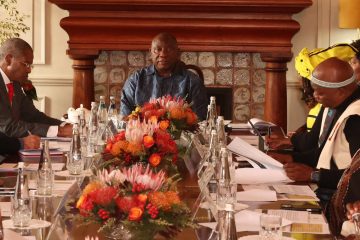
The appointments form part of a major restructuring that saw 27 ministers and 29 deputy ministers named across a reorganised ministerial structure. The cabinet includes other politically connected figures, notably Ridhiwani Kikwete, son of former President Jakaya Kikwete, who was promoted from deputy minister to full minister in charge of Public Service Management and Good Governance.
Qualifications and Experience
Ameir holds a Bachelor of Laws (LLB) from the Open University of Tanzania, graduating in 2018. She has served in the National Assembly since 2005 as a member of the Zanzibar House of Representatives and retained her parliamentary seat in the October 29 general election.
Her political experience includes serving on the Constitution and Legal Affairs Committee from 2015 to 2018, and holding various positions in CCM’s youth wing and regional committees. She also chairs the Mwanamke Initiatives Foundation, a non-governmental organisation focused on women, youth, and children’s welfare.
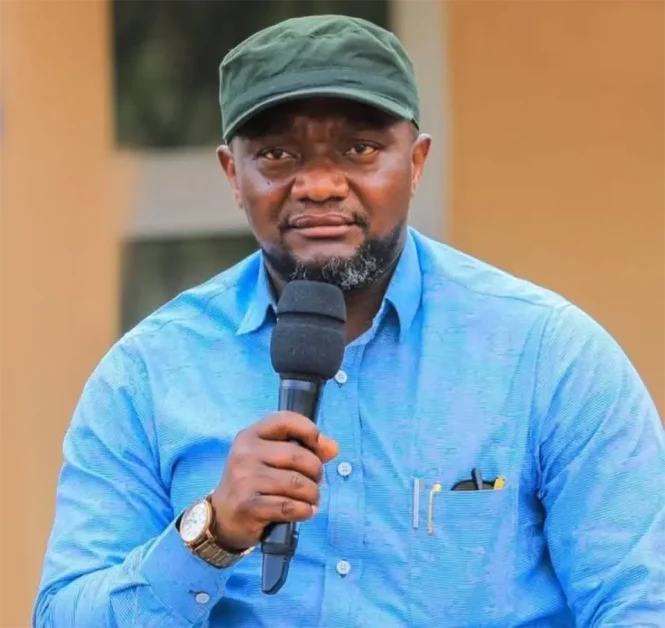
Mohamed Mchengerwa, born in 1979, is a lawyer who has served in multiple cabinet positions since 2021. His career in government includes stints as Minister of Culture, Arts and Sports (2022), Minister of Natural Resources and Tourism (2023), and, most recently, Minister of State in the President’s Office for Regional Administration and Local Government (2023-2025). He was first elected as a Member of Parliament for Rufiji constituency in 2015 and was re-elected in 2025.
According to his Facebook profile, Mchengerwa studied at the University of Dar es Salaam, where he pursued advanced legal studies. He has worked as a lawyer in private practice and has been involved in various ministerial portfolios under President Hassan’s administration.
The cabinet appointments come against the backdrop of Tanzania’s most contentious election in decades. President Hassan won re-election on October 29 with 97.66 percent of the vote, but the election was boycotted by the main opposition after their leader was arrested and barred from running.
The polls were followed by widespread protests and a violent government crackdown that left hundreds, possibly thousands, dead, according to opposition groups and human rights organisations. The death toll remains disputed and unverified due to a six-day internet shutdown and government restrictions on information flow.
The UN Office of the High Commissioner for Human Rights reported that credible sources indicated at least 10 people were killed by security forces using firearms and teargas. However, the main opposition party, Chadema, has claimed the death toll reached 2,000, with allegations that police disposed of hundreds of bodies at undisclosed locations.
International observers, including the African Union, concluded that the election “did not comply with AU principles, normative frameworks, and other international obligations and standards for democratic elections,” citing ballot stuffing, voter intimidation, and the barring of opposition candidates.
Mass Arrests and Treason Charges
In the weeks following the election, Tanzanian authorities charged hundreds of people with treason over their alleged involvement in the protests. Court documents show that at least 240 people face treason charges, a non-bailable offence that will keep them in detention until trial.
Police have also issued arrest warrants for senior opposition officials, including Chadema’s communications director Brenda Rupia and secretary-general John Mnyika. The party’s leader, Tundu Lissu, has been jailed for several months and faces treason charges after urging electoral reforms ahead of the vote.
Human rights groups have condemned what they describe as excessive use of force against unarmed demonstrators, including reports of reprisal killings of civilians in their homes. The Legal and Human Rights Centre said young people were particularly targeted, with witnesses describing bodies in the streets and children among the dead.
President’s Defence of Appointments
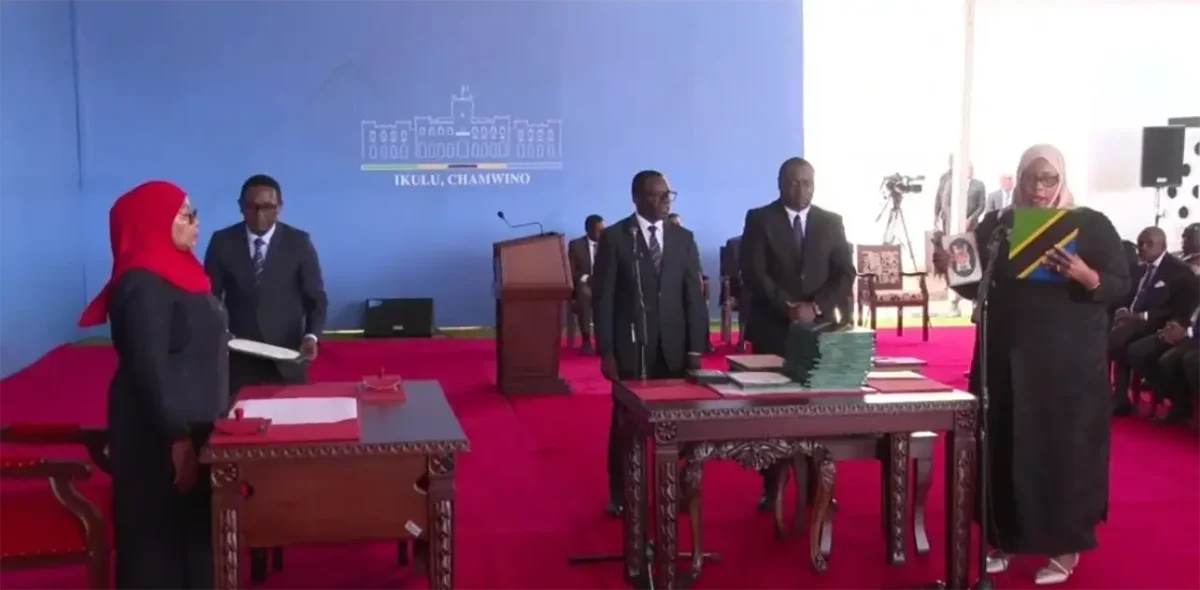
President Hassan has not yet publicly addressed criticism of the family appointments specifically. However, in her inauguration speech on November 3, she acknowledged that people had died during the protests but did not provide a death toll. She has previously emphasised her commitment to national development and governance reform.
The president also created a new Ministry of Youth Development, which she said was dedicated to addressing concerns among younger Tanzanians, whom she believes were central to the election-related unrest.
The appointments have drawn scrutiny from international observers already concerned about Tanzania’s democratic trajectory. Foreign governments, including the United Kingdom, Canada, and Norway, issued a joint statement expressing concern about credible reports of large numbers of fatalities and significant injuries during the protests.
The UK Foreign Office has advised against all but essential travel to Tanzania, citing shortages of food, fuel and cash, compounded by internet service disruptions.
Religious leaders within Tanzania have also urged the government to pursue reconciliation rather than prosecution. Benson Bagonza, a bishop in the Evangelical Lutheran Church in Tanzania, warned that the treason charges would likely worsen tensions, saying the government should “grieve with the people instead of arresting and taking people to court.”
President Hassan, 65, automatically assumed office as vice president in March 2021 following the sudden death of President John Magufuli. She won a full five-year term in the October 2025 election, which will be her final term under constitutional term limits.
Critics accuse her administration of reverting to authoritarian tactics after an initial period of political opening following Magufuli’s death. The barring of major opposition candidates, reported enforced disappearances, and violent crackdown on protests have raised concerns about democratic backsliding in East Africa’s most populous nation.
A version of the CCM party has ruled Tanzania continuously since independence from Britain in 1961. While previous leaders tolerated some level of opposition activity, Hassan has been accused of leading with a more repressive style that seeks to eliminate political competition entirely.
The controversy over family appointments adds another dimension to the mounting pressure on Hassan’s government as it begins its second term, facing both domestic opposition and international isolation.
- Complete Cabinet Line-up
President Hassan’s new cabinet includes the following key appointments:
President’s Office:
- Public Service Management and Good Governance: Ridhiwani Jakaya Kikwete
- Planning and Investment: Prof. Kitila Alexander Mkumbo
- Youth Development: Joel Arthur Nanauka
Prime Minister’s Office:
- Prime Minister: Dr Mwigulu Nchemba
- Regional Administration and Local Government: Riziki Silas Shemdoe
Key Ministries:
- Foreign Affairs and East African Cooperation: Mahmoud Thabit Kombo
- Finance: Khamis Mussa Omar
- Health: Mohamed Omary Mchengerwa
- Education, Science and Technology: Prof. Adolf Faustine Mkenda (Deputy: Wanu Hafidh Ameir)
- Home Affairs: Boniface George Simbachawene
- Constitutional and Legal Affairs: Juma Zuberi Homera
- Defence and National Service: Raymond Nyasaho
- Agriculture: Daniel Godfrey Chongolo
- Industry and Trade: Judith Salvio Kapinga
- Information, Culture, Artists and Sports: Prof. Palamagamba Kabudi
- Natural Resources and Tourism: Dr Ashatu Kachwamba Kijaji
- Energy: Deo Ndejembi
- Minerals: Anthony Peter Mavunde
- Transport: Makame Mbarawa Mnyaa
- Works: Hamisi Abdallah Ulega
- Water: Juma Aweso
- Livestock and Fisheries: Bashiru Ally Kakurwa
- Community Development, Gender, Women and Special Groups: Dr Dorothy Onesphoro Gwajima
- Lands, Housing and Human Settlements Development: Dr Leonard Douglas Akwilapo
- Labour, Employment and Industrial Relations: Clemence Sango
- Communication and Information Technology: Angela Kairuki
The reshuffle saw seven ministers from the previous government dropped, including former Deputy Prime Minister and Energy Minister Dr Doto Biteko, though all retained their parliamentary seats.