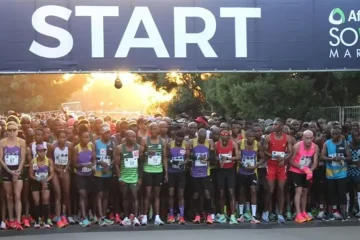
THE Cape Town sky turned gold before dawn, and by the time the first elite runners stepped onto the starting line in Green Point, the city was already vibrating with colour and noise. The Sanlam Cape Town Marathon was no longer just a race; it had become a rolling festival of African running, of mountain light, and of a continent’s pride played out on the streets of the Mother City.
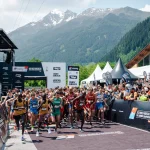
From the start, the route carved a story. The field threaded past the Stadium, where the first roars of the day came not from the grandstands but from the crowds spilling onto the pavements. The hum of the sea answered the roar of the people. As the pack moved onto the M3, the iconic bulk of Table Mountain rose in the distance, its flat top etched against the sky like a crown above the runners’ heads.
For the average runner, the early kilometres were a parade of joy. T‑shirts in every imaginable shade, face paint, club names from across the country, and makeshift costumes – a man in a lion mask, a woman in full traditional isiXhosa dress, a group of firefighters in formation – turned the marathon into a moving carnival. Drummers hammered out rhythms at intersections, and kids with flags and painted faces shouted names they had never heard before at people they would never meet again.
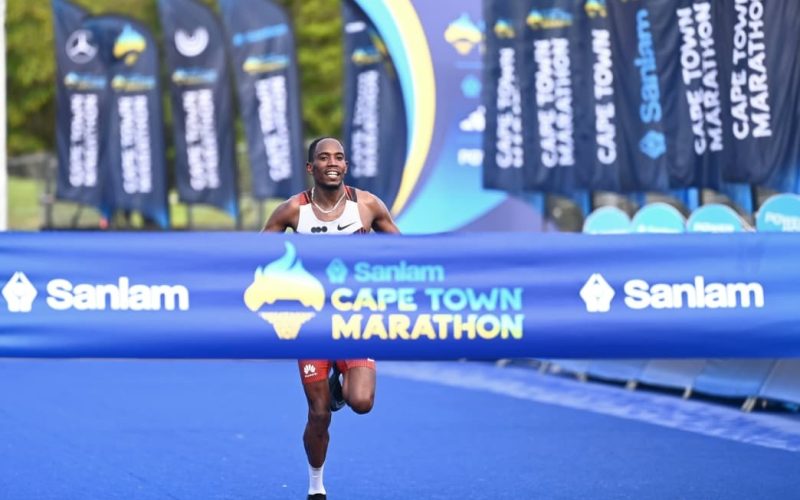
But at the front, the race was a different kind of poetry. The Ethiopians moved with the quiet efficiency of machines. Mohamed Esa, lean and economical, matched stride for stride with the Kenyan and South African challengers, eyes fixed not on the mountain or the crowd but on the ticking clock. When the pacemakers peeled away and the tempo ratcheted up, Esa’s shoulders didn’t move; only his legs did, turning over with a metronome precision that defied the heat of the day.
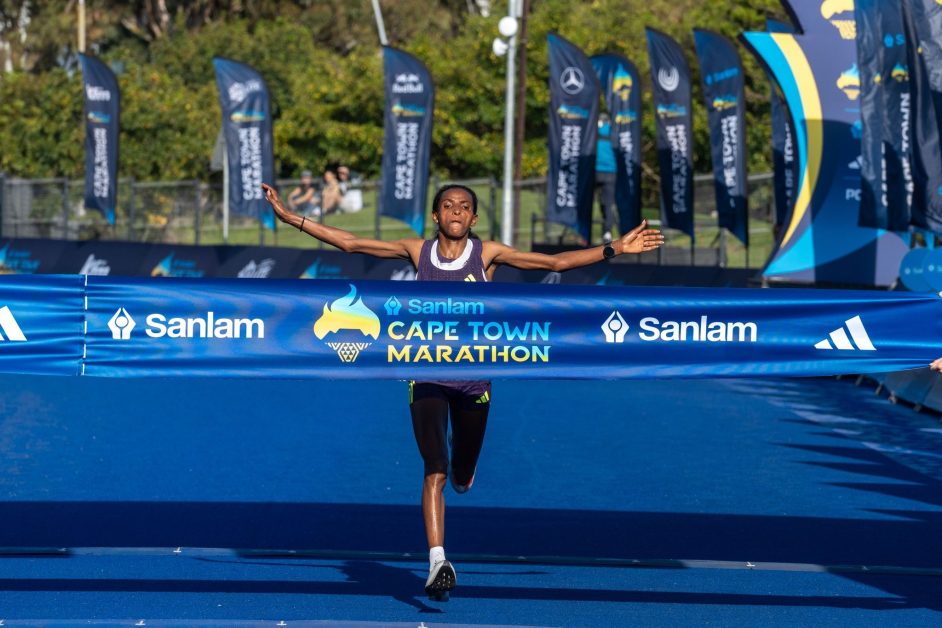
Behind him, in the women’s race, Dera Dida danced on the edge of pain. The Ethiopians had locked themselves into a three‑runner knot, and along the coastal stretch towards the Atlantic seaboard, the group weaved past bobbing sailboats and joggers filming on phones. The route flattened out near the V&A Waterfront, where the road shone like a conveyor belt laid across the sea. Here, the fans were thickest: tourists on balconies, locals lined three deep, children straining to see the women in their bright vests cutting through the air.
Dida’s move came without fanfare. One kilometre, the pack was still together; the next, she had created a gap the size of a stride. Her arms stayed tight, her torso rigid, her face calm as if she were running a training session rather than a world‑class marathon. Behind her, the Ethiopian chase group frayed, then broke, then re‑formed. But Dida’s rhythm never slipped. When she crossed the line in 2:23:18, she did so not as a contender, but as a conqueror – the fastest woman in Cape Town’s marathon history, and part of an Ethiopian 1–2–3 that stamped African dominance on the podium.
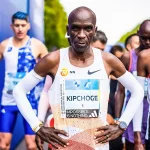
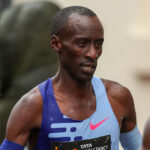
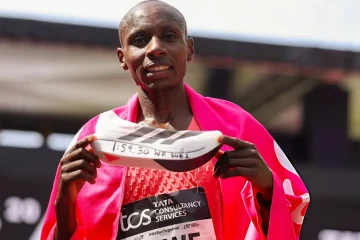
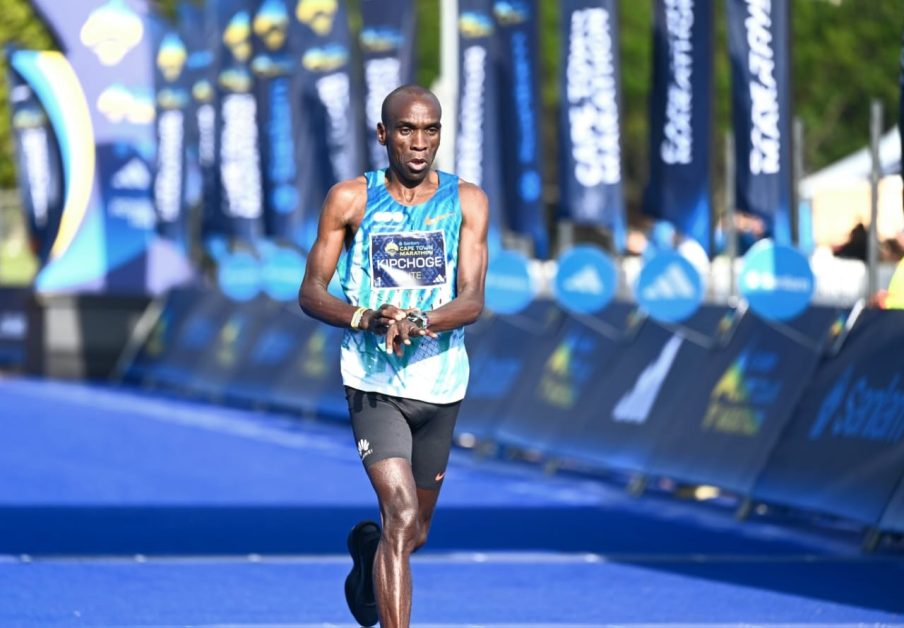
Further back, another legend moved through the race without wearing a bib that read “winner.” Eliud Kipchoge, the Olympic champion and former world‑record holder, ran not to chase the clock but to chase connection. He glided through the middle of the field with a smile rarely seen in his racing years, high‑fiving spectators, waving to children, and soaking in the noise. When he passed Green Point again on the way back inland, the crowd surged, phones held aloft like a forest of digital torches.
Kipchoge’s 2:13:29 time was never the headline; his presence was. This was the first African stop of his “Running World” tour, a seven‑continent project meant to turn marathons into shared ceremonies rather than solitary battles. As he ran beneath the shadow of Table Mountain, the mountain seemed to watch back – a silent witness to the man who had turned distance running into art.africa.espn+1
Along the route, moments of theatre unfolded where sport met symbolism. At key intersections, the peace‑run banners fluttered, recalling the long tradition of Cape Town’s marathon as a road for unity as much as for speed. Spectators held handmade signs in English, Afrikaans, isiXhosa and isiZulu, some quoting Mandela, others rugby captains, others simply scrawling “Africa is running.”
On the sidelines, the rugby royalty added another layer of story. Two World Cup-winning Springbok captains, Siya Kolisi and Francois Pienaar, stood in the ceremonial zone near the finish, their presence threading the marathon into the broader narrative of South African sport. The young boy watching from the crowd might not know pacemakers or personal bests, but he knew Siya in his green and gold, and he knew the story of Pienaar lifting the Webb Ellis trophy. Their presence turned the finish line into a national stage, where every crossing runner became part of a larger journey.
As the elite men’s chase for the finish neared, the route narrowed into the city’s spine. The crowd voices blurred into a single roar that echoed off the glass towers and the stone facades of the CBD. The finish line, set against the urban skyline, was framed by banners bearing Kipchoge’s image and the words of organizers hailing the “strongest field in Cape Town Marathon history.”
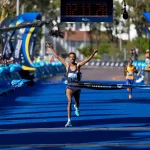
When Mohamed Esa thundered down the final stretch and broke the tape in 2:04:55, the African all‑comers record frozen in the coastal air, the reaction was almost serene. There were no grand collapses, no theatrics. Just a man dipping his head, raising his arms, and then looking up at the mountain as if to say, “This is what we can do.”
Long after the reporters had filed their copy and the sponsors had dismantled their stands, the city held the echo of the race. Along the route, the bitumen still bore the ghosts of shoe treads; the pavements were littered with energy‑gel packets and discarded caps. But in the memories of those who watched, the images were brighter: the Ethiopian women gliding past the ocean, the Ethiopians and Kenyans duelling under the Table Mountain gaze, the thousands of ordinary feet turning the marathon into a moving tapestry of African endurance.
And somewhere in that tapestry, arms raised, a boy in the crowd pointed at the finish line and whispered, maybe to himself, maybe to his father: “One day, I’ll run that road.” In that moment, Cape Town’s marathon had done what only the greatest races can: it had turned kilometres into dreams.