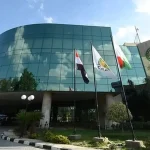
THE sun cast long shadows across the Cairo conference hall as Dr Patrice Motsepe stood before the assembly, his eyes alight with the fire of ambition that had carried him from South African mines to the pinnacle of African football. The 63-year-old mining magnate, freshly re-elected as President of the Confederation of African Football (CAF), surveyed the room filled with delegates who had unanimously endorsed his leadership for a second term.
He sees a continent transformed, he declared, his voice resonating with conviction. Motsepe said he saw Africa as one massive construction site, where the foundations of greatness are being laid brick by brick, stadium by stadium.”
The assembly fell silent, captivated by the powerful vision he painted. Where once 38 nations had been forced to play their “home” matches on foreign soil, Motsepe had already reduced that number to 12. But in his mind’s eye, he saw more – a future where every African nation could proudly host international matches in world-class, FIFA-approved facilities.
The CAF President’s dream is for every African child to see their heroes play before their own eyes, on their own soil. He believes that every nation deserves the dignity of welcoming the world to their doorstep. For him, it is not just about building stadiums. It is about building pride, building dreams, and building the future of African football.
Next to him, FIFA President Gianni Infantino nodded approvingly. The relationship between the two men had been instrumental in Motsepe’s rise and his ambitious plans for continental transformation.
The first term of Motsepe’s presidency had been a testament to his business acumen and vision. He had inherited an organisation in turmoil following the ethics violations scandal that had brought down his predecessor, Ahmad Ahmad of Madagascar. Within four years, Motsepe had not only stabilised CAF’s finances but had catapulted African football onto the world stage.
The TotalEnergies Africa Cup of Nations in Côte d’Ivoire had drawn an unprecedented 1.4 billion viewers worldwide, shattering previous records. Prize money for major tournaments, including the TotalEnergies CAF Champions League and TotalEnergies CAF Women’s Africa Cup of Nations, had increased substantially under his watch.
Now, with his unopposed re-election secured following the nomination deadline in November 2024, Motsepe unveiled the next chapter of his continental vision.
“We will build not just stadiums, but cathedrals of sport,” he proclaimed, detailing plans for substantial financial rewards for national teams and enhanced infrastructure investment across the continent. “We will transform the landscape of African football, literally and figuratively.”
The assembly hall erupted in applause as Motsepe outlined his blueprint for African football’s renaissance. The newly elected CAF Executive Committee, including Bestine Kazadi Ditabala, the sole female member from the Democratic Republic of Congo, flanked him in solidarity.
The FIFA Council would now include six African representatives, with veterans Hany Abo Rida of Egypt and Fouzi Lekjaa of Morocco joined by newcomers Kanizat Ibrahim (Comoros), Hamidou Djibrilla Hima (Niger), Ahmed Yahya (Mauritania), and Souleymane Waberi (Djibouti).
As the applause faded, Motsepe’s gaze turned toward a particular figure in the assembly – Samuel Eto’o, the legendary footballer and now president of the Cameroon Football Federation. The four-time African Player of the Year had overcome significant obstacles, including multiple bans and a $200,000 fine for ethical breaches, to secure his place as Central Africa’s representative on the executive committee.
Their eyes met across the room – the businessman and the former player, now both architects of African football’s future, their past rivalries giving way to a shared purpose.
“The goal remains making African football globally competitive,” Motsepe concluded, his voice firm with resolve. “We will continue stabilising our finances and investing in infrastructure. But most importantly, we will build a legacy that transforms not just how the world sees African football, but how Africa sees itself.”
As the Cairo sun dipped below the horizon, casting the ancient city in golden light, Motsepe’s vision burned bright – a continent united by football, playing on fields of dreams built by Africans, for Africans, and admired by the world.