IN what can only be described as a masterclass in “how to make life unnecessarily difficult for yourself,” Senegal managed to finish top of Group D while simultaneously torpedoing their knockout stage plans. It’s the football equivalent of acing your final exam but accidentally setting your notes on fire on the way out of the classroom.
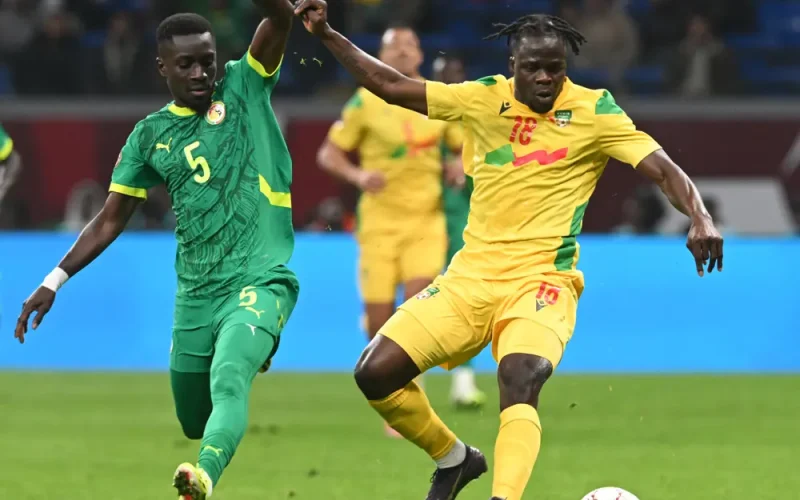
The Lions of Teranga dispatched Benin 3-0 in Tangier on Tuesday, which sounds straightforward until you learn that their captain, Kalidou Koulibaly, decided to audition for a career in professional wrestling with about 20 minutes remaining. The Al-Hilal defender’s “clumsy tackle” – diplomatic Reuters-speak for “what on earth were you thinking?” – earned him a red card and a one-match suspension heading into the knockouts.
Picture this: You’re cruising to victory, top of your group, everything’s coming up roses. Then your captain, your defensive anchor, your leader of men, decides to give Benin’s Aiyegun Tosin an impromptu lesson in heel anatomy. Rwandan referee Samuel Uwikunda spent several minutes consulting the VAR screen like a university student desperately searching Wikipedia for essay material before finally brandishing the red card that broke a nation’s heart.
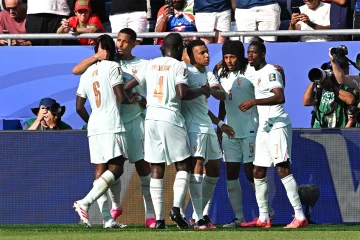
But here’s where it gets delightfully absurd: Even down to 10 men, Senegal were so dominant they managed to score again. Seventeen-year-old substitute Ibrahima Mbaye—who clearly didn’t get the memo about feeling sorry for yourself – broke away and got clipped by Rachid Moumouni for a penalty. Cherif Ndiaye, who’d literally just stepped onto the pitch, converted the spot-kick to make it 3-0. Nothing says “we don’t need 11 players” quite like scoring with 10.
The Elbow That Wasn’t (Or Was It?)
The scoring had opened with one of those delightful VAR controversies that make you question why we ever thought technology would solve football’s problems. Abdoulaye Seck’s 38th-minute goal underwent “a lengthy VAR check” before being validated, despite television replays showing the ball came off his elbow rather than his head.
Somewhere, Diego Maradona’s Hand of God is nodding approvingly from football heaven, thinking “that’s my boy.” But the goal stood, because apparently VAR officials were still recovering from their Christmas hangovers and couldn’t quite tell the difference between an elbow and a forehead.
Sadio Mané, playing the role of “still world-class despite being 33,” set up the second goal with a mazy run down the left flank before pulling back for Habib Diallo to sweep home. It was the kind of assist that reminds you why Mané once commanded a transfer fee that could feed a small nation.
Benin’s best chance came from a free-kick in the dying minutes, which Junior Olaitan struck toward goal, only for Edouard Mendy to produce a flying save. Because of course Chelsea’s former number one wasn’t going to let his team’s ridiculous evening end with a consolation goal for the opposition. That would be too sensible.
DR Congo: The Art of Winning Without Really Trying
Meanwhile, in Rabat, the Democratic Republic of Congo were busy dismantling Botswana 3-0 in what can only be described as a training ground exercise masquerading as a competitive fixture.
Gaël Kakuta orchestrated the destruction with two goals and an assist, playing with the casual elegance of someone who knows their opponents have already lost all six of their AFCON finals matches. Yes, you read that right – Botswana are now a perfect 0-for-6 in Cup of Nations history. At this point, they’re not collecting defeats; they’re curating them.
The Congolese finished level on seven points with Senegal but had to settle for second place due to inferior goal difference, which is the football equivalent of coming second in a spelling bee because you forgot the silent ‘k’ in ‘knife.’ Their reward? A last-16 showdown with in-form Algeria, the 2019 champions who are currently playing like they’ve got something to prove.
Nathanael Mbuku opened the scoring with a lovely one-two with Kakuta, the latter providing a backheel pass so cheeky it should be classified as footballing flirtation. Kakuta then converted a penalty after Botswana’s Thabo Leinanyane decided that handball rules were merely suggestions. The veteran midfielder completed his brace in the 60th minute, controlling Theo Bongonda’s pass and finishing from seven yards with all the pressure of someone ordering their morning coffee.
Fiston Mayele thought he’d got on the scoresheet when he rose to deflect the ball in, but VAR- that party – pooping technology again – ruled he’d used his arm. Because consistency is important when you’re enforcing rules, except when it’s not, as Senegal’s first goal demonstrated beautifully.
Tanzania: The Little Engine That Could (Just Barely)
In Rabat’s rain-soaked Prince Moulay Abdellah Stadium, Tanzania achieved what can only be described as the most Tanzania thing possible: they advanced to the knockout stages without actually winning a game. Their tournament record now stands at a magnificent five draws and seven defeats in 12 AFCON matches. It’s like being that kid who graduates university with straight C’s – technically successful, but nobody’s throwing a parade.
Feisal Salum’s powerful strike three minutes into the second half canceled out Tunisia’s penalty, converted by Ismael Gharbi after Tanzania’s Ibrahim Abdallah committed the cardinal sin of handball. The 1-1 draw was enough to see Tanzania through as one of the four best third-placed finishers, a category that sounds like something made up at 3 AM by FIFA officials who’d had too much espresso.
Here’s where it gets beautifully cruel: Tanzania advanced with two points and a goal difference of minus-one. Angola also finished with two points and minus-one goal difference but went home because Tanzania had scored three goals to Angola’s two. That’s right – Angola’s entire tournament came down to one goal. Somewhere in Luanda, people are still crying into their pillows.
This marks the first time since the tournament expanded to 24 teams in 2019 that a side with just two points has squeezed through. Tanzania celebrated like they’d won the whole thing, which is fair enough considering they’re heading to face hosts Morocco in Rabat on Sunday – a match that promises to be about as competitive as a heavyweight boxer fighting a moderately athletic accountant.
Tunisia, who led through Gharbi’s penalty after he’d earlier hit the woodwork (because of course he did), now face Mali in Casablanca. Tunisia’s Hannibal Mejbri – who shares a name with history’s most famous elephant-riding general – spent the match battling Tanzania’s Haji Mnoga in what can only be described as two people trying very hard to make something happen in the rain.
The Final Standings: A Comedy of Errors and Excellence
Group D:
- Senegal (7 points): Top of the group but without their captain for the knockouts. It’s like winning the lottery but losing the ticket.
- DR Congo (7 points): Second on goal difference, now facing Algeria. Sometimes being good isn’t quite good enough.
- Benin: Advanced as a best third-placed finisher, rewarded with a date against Egypt. That’s like finishing last in your class and being told your prize is a meeting with the principal.
- Botswana: Still searching for their first AFCON finals win like a man searching for his keys after a night out – everyone knows it’s not going to end well.
Group C:
- Nigeria: Winners, which nobody is surprised about.
- Tunisia: Second place, off to face Mali.
- Tanzania: The plucky underdog who somehow made it through. Co-hosting the 2027 tournament with Kenya and Uganda, which means in two years they’ll have home advantage. Whether they’ll actually use it remains to be seen.
What’s Next?
Senegal await their last-16 opponents – either Burkina Faso or Sudan – while trying to figure out how to defend without their captain. It’s like planning a heist without your locksmith.
DR Congo get Algeria on January 6, in what promises to be a cracker. Meanwhile, Tanzania will march into Rabat to face Morocco with the confidence of someone who’s already exceeded all expectations and therefore has nothing to lose. Which, let’s be honest, makes them the most dangerous kind of opponent – the one who’s already won just by showing up.
Benin head to Agadir to face Egypt on Monday, where they’ll probably wish they were still in the “easy” group stage.
As for Botswana? They’ll head home with their heads held high, having participated beautifully in six consecutive defeats. There’s something admirable about that level of consistent disappointment.
The Lesson
What have we learned from this glorious Tuesday evening of African football? That VAR is both salvation and curse, that you can win while losing your captain, that you can advance without winning, and that sometimes the football gods have a twisted sense of humor.
Welcome to the knockout stages, where the chaos only intensifies and the stakes get higher than Koulibaly’s tackle.
May the odds be ever in someone’s favor. Just probably not Tanzania’s.