HAVING witnessed decades of high-stakes diplomatic theatre from Pretoria to New York, I can state unequivocally that President Cyril Ramaphosa’s recent encounter with Donald Trump in the hallowed halls of Washington DC was nothing short of a masterclass in crisis diplomacy. On a scale of 1 to 10, this mission earns a resounding 8 – Excellent.
This was no ordinary bilateral meeting. This was South Africa threading the needle in one of the most treacherous diplomatic environments imaginable – facing down a notoriously unpredictable American president amid a storm of manufactured controversy and orchestrated hostility.
The Art of Diplomatic Optics: A Textbook Display
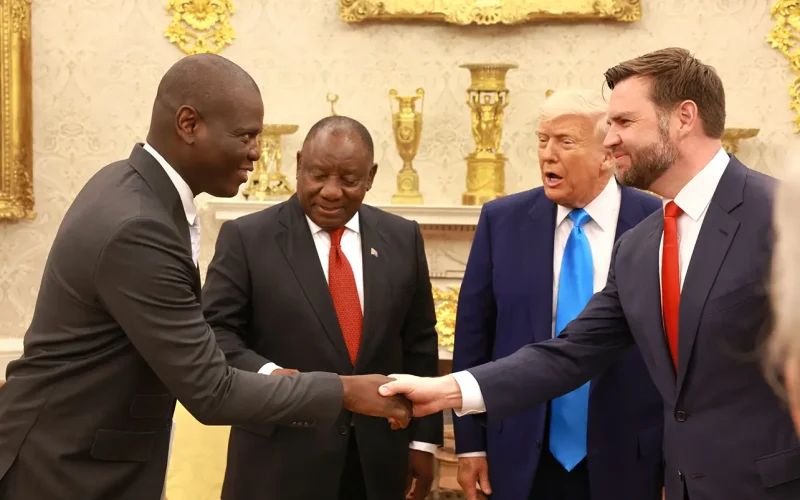
The composition of our delegation was nothing short of inspired. In an era where South Africa faces relentless external pressure and toxic narratives, President Ramaphosa assembled a rainbow coalition that spoke to the very soul of our democratic project. This wasn’t merely symbolic – it was strategic brilliance. Every face in that delegation room told the story of a united South Africa, representing all our people and social partners in the face of adversity.
The optics mattered immensely when confronting a leader known for his theatrical tendencies and snap judgements. Our delegation’s inclusive composition served as a living, breathing rebuttal to the divisive narratives swirling around our nation.
Strategic Process: Chess mastery in real time
The pre-engagement groundwork was executed with the precision of a Swiss timepiece. Mapping the roadmap to and from Washington, identifying appropriate interlocutors, and orchestrating multi-layered engagement strategies demonstrated our diplomatic machinery at its finest.
The preliminary work with American Congress members across party lines, media influencers, business leaders, and policy architects created the essential foundation. By the time Air Force One South Africa touched down in DC, we had already begun reshaping the narrative landscape.
What impressed me most was the real-time adaptability once on the ground. The consultative processes, environmental assessments, and the calculated counter-offensive against the so-called “genocide” fabrication showed a delegation that could pivot and respond with remarkable agility.
President Ramaphosa’s introductory remarks and subsequent media engagements revealed a leader of exceptional composure under pressure. His steadfast focus on core objectives, even while navigating diplomatic landmines, exemplified the kind of leadership our nation requires in these turbulent times.
Substantive Content: Realism meets ambition
The delegation’s objectives struck the perfect balance between ambitious vision and hard-nosed realism:
The Reset Imperative: Recalibrating South Africa-US relations required bold diplomacy, and this mission was delivered. The bilateral engagement phase produced a concrete joint work plan with measurable pillars – exactly what sustainable diplomatic progress demands.
Multi-Stakeholder Engagement: Beyond the White House bubble, engaging the broader American power ecosystem was crucial for long-term success.
Narrative Warfare: Confronting and debunking the manufactured “Afrikaner genocide” mythology head-on was both necessary and courageous.
Economic Focus: Anchoring discussions in trade, investment, technology transfer, and job creation demonstrated our commitment to delivering tangible benefits for South Africans.
G20 Diplomacy: The audacious move to convince Trump to reconsider his G20 boycott and embrace South Africa’s 2026 presidency showed remarkable diplomatic ambition.
The subsequent elaborations by Ministers Parks Tau (Trade and Competition) and John Steenhuisen (Agriculture) provided the technical depth and policy substance that transforms diplomatic declarations into actionable frameworks.
The Shadows: Areas for diplomatic enhancement
Even masterful performances have room for refinement. The apparent ambush in the Oval Office – complete with videos and documents supporting genocide claims – raises uncomfortable questions about our intelligence preparation. Were we blindsided, or did we anticipate this theatrical gambit?
Our diplomatic apparatus must elevate its game. Through established channels within the White House and State Department, we should have detected this propaganda offensive before walking into the lion’s den. Intelligence collection and assessment require urgent enhancement if we’re to navigate future encounters with such volatile counterparts.
Furthermore, delegation coordination could be tightened. When representing national interests on the global stage, every voice must harmonize with our strategic messaging. Individual contributions should enhance, not dilute, our collective narrative power.
The Verdict: Diplomatic victory under fire
Despite these tactical considerations, this Washington mission represents a diplomatic triumph against overwhelming odds. President Ramaphosa led a delegation that understood the fundamental truth of international relations: optics, content, and process are the holy trinity of high-stakes diplomacy.
In an era of manufactured crises and weaponized narratives, South Africa demonstrated that principled leadership, strategic thinking, and inclusive representation can prevail even in the most hostile environments. This wasn’t just diplomacy – it was statecraft of the highest order.
The roadmap ahead demands sustained effort, inclusive implementation, and continued vigilance. But this Washington encounter has reset the trajectory of SA-US relations and reminded the world that South Africa remains a force to be reckoned with on the global stage.
Kudos to our delegation. They reminded us why diplomacy, at its finest, remains the art of the possible.
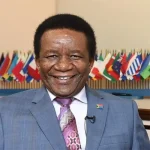
- Ambassador Jerry Matjila served as South Africa’s Permanent Representative to the United Nations and brings decades of diplomatic experience to contemporary foreign policy analysis.