
JOVIAL RANTAO
THE recent decision by President Trump to freeze aid and impose steep tarrifs to South Africa and other countries across Africa isn’t a catastrophe – it’s a golden opportunity. For too long, African nations have been caught in the web of foreign aid dependency, dancing to the tune of Western powers while neglecting to build robust, self-sustaining economies. Now, this abrupt shift in U.S. policy presents a historic chance for Africa to break free from these chains of dependency and forge its own path.
The dream of African self-reliance isn’t new. It was powerfully articulated through the African Renaissance movement, championed by visionary leaders like South Africa’s Thabo Mbeki, Nigeria’s Olusegun Obasanjo, and Senegal’s Abdoulaye Wade. These presidents understood that Africa’s future lay not in perpetual dependence on foreign aid, but in harnessing its own resources, capabilities, and human capital. Their vision of an Africa rising through its own efforts and innovation now finds a new catalyst in the current crisis.
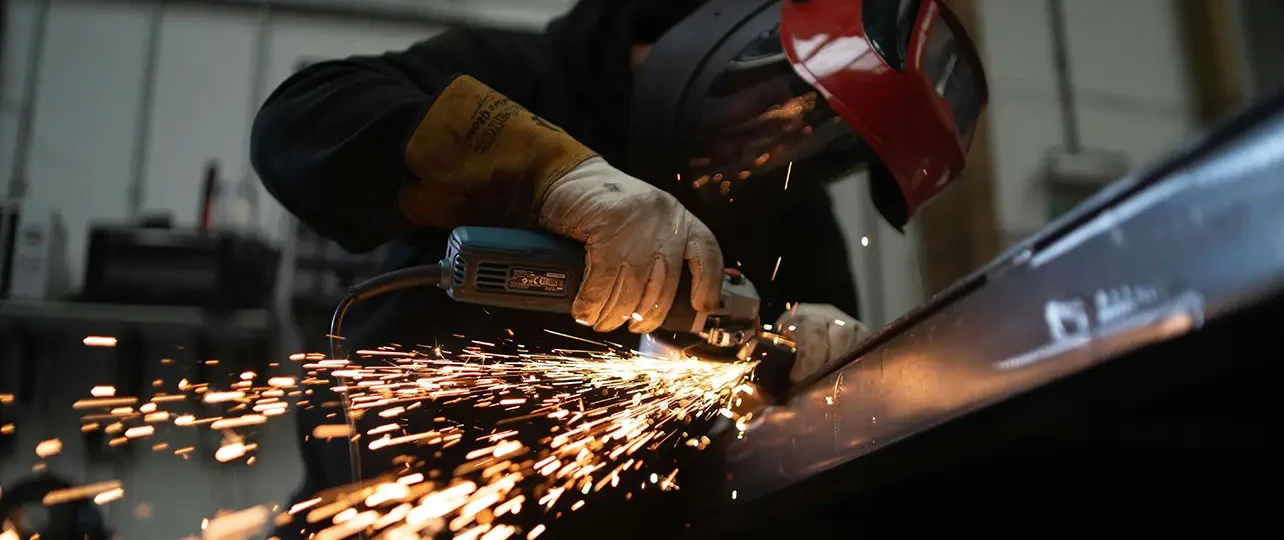
South Africa’s apartheid era, despite its moral repugnance, offers a compelling lesson in economic self-reliance. When faced with international isolation, the country didn’t collapse – it innovated. It built a world-class arms industry through Denel, developed domestic oil production capabilities, established a formidable steel industry, and created an agricultural sector so robust it generated a surplus for export. While we must unequivocally reject apartheid’s racist foundations, we cannot ignore this demonstration of what a nation can achieve when forced to look inward.
Today’s African nations face a similar moment of forced self-reliance, but with a crucial difference – they face it as sovereign democracies with control over their destinies. The challenge now is to redirect domestic resources toward essential services that Western aid has historically funded. Yes, this means making tough choices about budget allocations. Yes, it means rooting out corruption that bleeds public coffers dry. And yes, it means prioritizing investments in healthcare, water infrastructure, housing, and education using domestic resources.
The timing couldn’t be better. The African Continental Free Trade Area (AfCFTA) stands ready as a powerful instrument for boosting intra-African trade and creating continental prosperity. Rather than remaining dependent on Western markets, African nations can build robust trading relationships with each other, creating a market of over a billion consumers.
Moreover, the BRICS alliance offers an alternative economic axis that could reshape global power dynamics. With Brazil, Russia, India, and China as partners, Africa gains access to markets comprising nearly half of humanity. These nations understand the imperative of breaking Western economic hegemony and are potentially more aligned with Africa’s development goals.
Trump’s aid cuts may sting in the short term. HIV/AIDS programs, educational initiatives, and humanitarian efforts will face immediate challenges. But this pain can catalyze transformation. African governments must step up to fund these services themselves, answering to their citizens rather than foreign donors. This is not just about survival – it’s about seizing a historic opportunity to fundamentally alter the global economic order.
The world is at a crossroads, and Africa holds a unique position to influence its future direction. By embracing this moment of forced self-reliance, African nations can emerge stronger, more independent, and more prosperous than ever before. This is Africa’s moment to demonstrate that it doesn’t need Western aid to thrive – it needs only the will to stand on its own feet.
The choice is clear: continue lamenting the loss of foreign aid, or grasp this opportunity to reshape the continental economy and, by extension, the global order. This chance to break free from aid dependency while simultaneously strengthening South-South cooperation through BRICS may not come again. The time for Africa to rise is now.