THE fatal shooting of an intensive care nurse by federal immigration agents has plunged Minneapolis into crisis, with Minnesota’s governor activating the National Guard and assuming control of the investigation after authorities say a U.S. citizen was killed while protesting the Trump administration’s immigration enforcement operations.
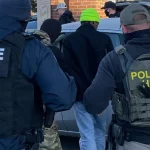
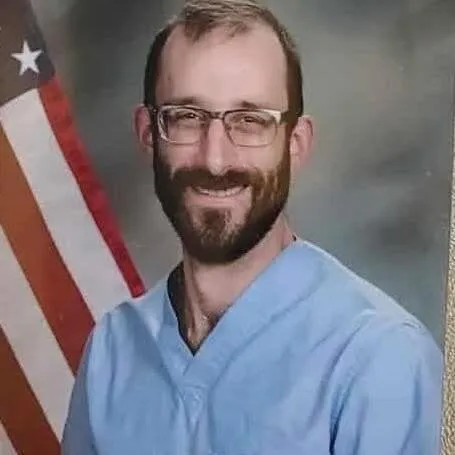
Alex Jeffrey Pretti, 37, was shot multiple times by Border Patrol agents Saturday during confrontations between protesters and federal officers conducting immigration raids. His death – the second killing of an American citizen by federal agents in Minneapolis this month – has transformed simmering tensions over President Trump’s immigration crackdown into open conflict between state and federal authorities.
Governor Tim Walz announced the National Guard deployment on Sunday, declaring that federal authorities “cannot be trusted” to investigate the shooting and stripping them of jurisdiction over the case. The move represents an extraordinary breakdown in relations between state and federal law enforcement, with Walz demanding an immediate end to federal immigration operations in the city.
“I’ve seen the video from several angles, and it’s sickening,” Walz said. “How many more residents, how many more Americans need to die or get badly hurt for this operation to end?”
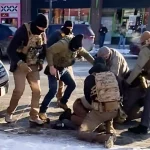
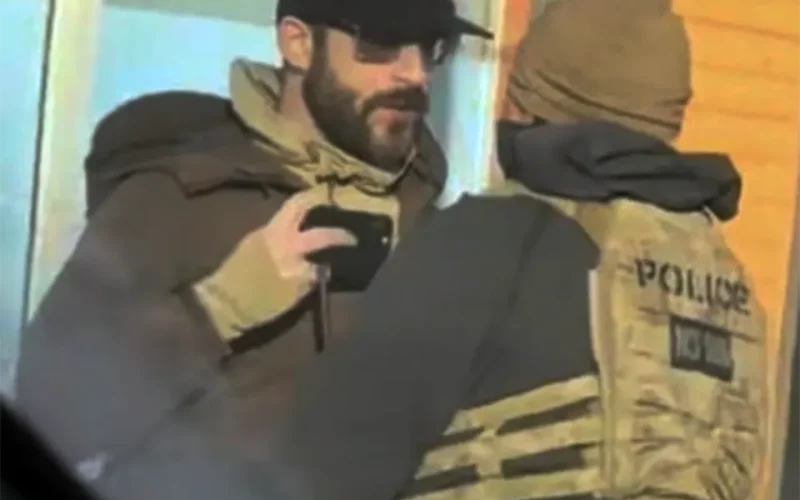
The shooting unfolded as Pretti, a U.S. Department of Veterans Affairs ICU nurse described by family as someone who “cared deeply about people,” attempted to shield women protesters from federal agents. Bystander videos show Pretti holding a phone – not a weapon – as he intervened when agents pushed protesters to the ground.
After agents pepper-sprayed Pretti and wrestled him to his knees, footage shows officers removing a gun from him before stepping back. Moments later, an agent fired four shots into Pretti’s back at close range, with additional shots following from another officer.
Minneapolis Police Chief Brian O’Hara confirmed Pretti was a lawful gun owner with no criminal record beyond traffic violations. His family said he had been participating in protests following the January 7 shooting death of Renee Good, another U.S. citizen killed by Immigration and Customs Enforcement officers.
Homeland Security Secretary Kristi Noem defended the shooting, claiming Pretti “attacked agents” and was “there to perpetuate violence,” though she did not say he had drawn his weapon. Federal officials released an image of the gun they say Pretti was carrying. Video evidence appears to contradict key elements of the federal account.
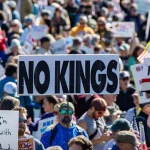
The shooting triggered protests across Minneapolis and in major cities nationwide, with hundreds confronting armed federal agents who deployed tear gas and flashbang grenades. The violence forced the closure of the Minneapolis Institute of Art and the postponement of a Minnesota Timberwolves NBA game.
Drew Evans, head of the Minnesota Bureau of Criminal Apprehension, reported that federal agents blocked his investigators from accessing the scene Saturday, prompting Walz’s decision to assert state control over the probe.
President Trump responded by accusing local officials of “inciting Insurrection” through their criticism of federal operations. Vice President JD Vance, who visited Minneapolis Thursday, blamed local leaders for refusing to provide police support to immigration agents—a claim Walz rejected, saying the federal crackdown has strained local law enforcement resources.
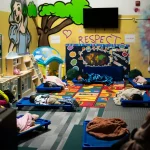
The crisis has galvanised opposition to Trump’s immigration enforcement strategy in Democratic-led cities. More than 10,000 protesters marched through Minneapolis in sub-freezing temperatures Friday, one day before Pretti’s death. Previous incidents had already inflamed tensions, including the detention of a U.S. citizen taken from his home in shorts and the detention of schoolchildren, including a five-year-old boy.
Family members described Pretti as an avid outdoorsman who had recently lost Joule, his beloved Catahoula Leopard dog. His work caring for veterans at the VA hospital reflected his commitment to helping others – a commitment that brought him to the streets Saturday in protest of policies he viewed as unjust.
As National Guard troops deploy across Minneapolis, the city faces an uncertain path forward, with state and federal authorities locked in conflict and no resolution in sight to the immigration enforcement operations that have now claimed two American lives.