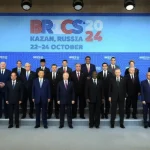
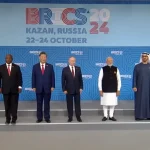
THE gathering of African leaders alongside their BRICS counterparts in the historic city of Kazan, Russia marks a pivotal moment in the evolving multipolar world order. As Western dominance faces increasing challenges, the fundamental question for Africa remains unchanged: Will new partnerships deliver genuine development, or merely shift the dynamics of dependency?
At the heart of BRICS’ appeal to African nations lies the promise of an alternative to Western-dominated global systems. The proposed replacement for SWIFT and discussions of de-dollarization reflect a broader push toward economic multipolarity. However, African leaders are approaching these changes with measured optimism, mindful of hard-learned historical lessons.
The shadow of colonialism looms large over these discussions. African civil society and citizens are increasingly vocal about their concerns that new partnerships might simply replace old masters with new ones. BRICS nations, particularly China and Russia, emphasize equality and mutual respect in their diplomatic rhetoric. Yet the true test of these principles lies not in summit declarations but in the practical implementation of agreements and their impact on ordinary African citizens.
Russia’s complex role particularly illustrates the contradictions at play. While positioning itself as a partner in African peace and development, the presence of Russian private military contractors in conflicts across Sudan and West Africa raises questions about the consistency between diplomatic promises and ground reality.
The persistent challenge for African leaders is transforming high-level diplomatic engagements into tangible benefits for their populations. Traditional aid-based relationships with Western powers have failed to deliver sustainable development. BRICS partnerships promise a more trade-focused approach, but success will require fundamental changes in how these relationships are structured.
Evidence of genuine partnership would include significant technology transfer, support for local manufacturing, and investment in value-addition industries rather than mere raw material extraction. The African Continental Free Trade Area (AfCFTA) could serve as a foundation for strengthening Africa’s collective bargaining position, ensuring that engagement with BRICS partners reinforces rather than undermines continental integration.
African leaders are increasingly assertive in demanding partnerships that support industrial development and job creation. The measure of success will not be the number of summit declarations signed or loans promised, but rather the emergence of robust African manufacturing sectors, improved infrastructure, and rising living standards across the continent.
The fundamental shift required is not just in the mechanics of trade and finance but in the very nature of international relationships. Equal partnership demands an equal voice in decision-making, fair trade terms, and mutual respect for sovereignty. The BRICS platform offers potential for such transformation, but realizing this potential requires moving beyond rhetoric to demonstrable action.
For African nations, the path forward likely lies not in choosing between BRICS and Western partners, but in leveraging multiple relationships while building internal strength through regional integration. The success of these efforts will ultimately be judged not in presidential palaces or summit venues, but in the markets, schools, and homes of ordinary African citizens.
As the BRICS summit unfolds, the key question remains: Can these partnerships catalyze genuine African development, or will they simply add another chapter to the continent’s long history of unequal external relationships? The answer will emerge not from speeches and communiques, but from the concrete changes in African economies and communities in the years ahead.
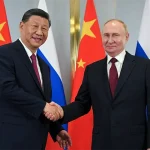
My appreciation to President Vladimir Putin for our in-depth discussions during our bilateral meeting. Anchored in our historic ties, the bilateral relations between our two countries continues to grow. In addition, our common BRICS platform allows us to engage for broader… pic.twitter.com/i5OOjzS5aY
— Abiy Ahmed Ali ???? (@AbiyAhmedAli) October 24, 2024
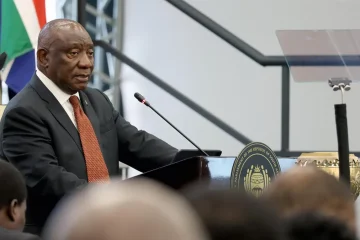
BRICS and Global South: building a better world together
— Cyril Ramaphosa ???? (@CyrilRamaphosa) October 24, 2024
https://t.co/8j6SfHankH