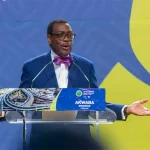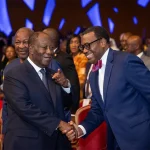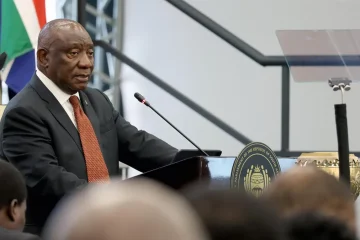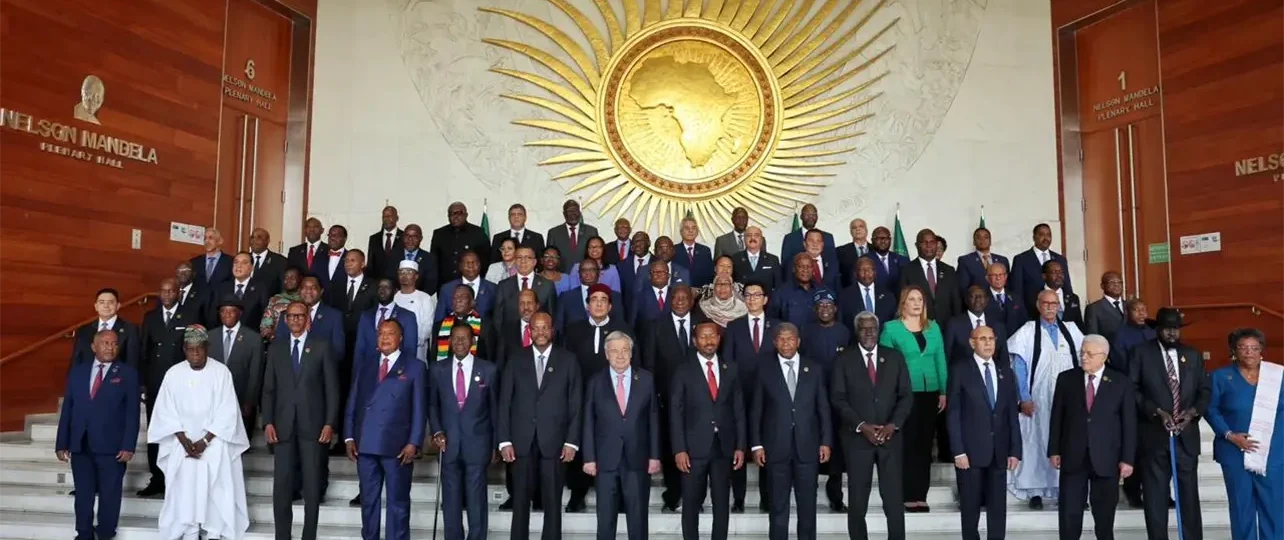

IN a watershed moment for African development, the 38th African Union Summit has endorsed four groundbreaking initiatives led by the African Development Bank (AfDB), marking a decisive push toward continental transformation. The endorsements came during AfDB President Dr. Akinwumi Adesina’s final address to the Summit, as he prepares to conclude his tenure in September 2025.
At the heart of these initiatives is an ambitious drive to connect 300 million Africans to electricity by 2030. This target gained significant momentum at January’s Africa Energy Summit in Tanzania, where 48 nations signed the Dar Es Salaam Declaration. The commitment has already secured $48 billion from the World Bank and AfDB, plus an additional $7 billion from other development partners.
The second initiative breaks new ground in environmental economics, with African leaders endorsing the Baku Declaration to measure Africa’s green wealth as part of GDP calculations. This move signals a shift toward more comprehensive economic metrics that account for natural resources and environmental sustainability.
In a bold response to financial challenges facing the continent, the Summit adopted the African Financing Stability Mechanism, a $20 billion facility designed to provide debt refinancing for African nations. This initiative comes at a crucial time as many African countries grapple with debt management and economic stability.
The fourth major endorsement focuses on long-term sustainable development through a Strategic Framework that outlines key actions needed to achieve and maintain an annual GDP growth rate of at least 7% over the next five decades. This ambitious target aims to drive inclusive growth across the continent.
These initiatives build on the AfDB’s track record under Adesina’s leadership, during which the bank has transformed 515 million lives and achieved its largest-ever capital increase, growing from $93 billion in 2015 to $318 billion. The bank has also become the largest multilateral financier of African infrastructure, investing over $55 billion in the sector over the past decade.
“It has been an unprecedented partnership to advance the goal of the African Union towards achieving Agenda 2063: the Africa we want,” said Adesina, highlighting the significance of these initiatives in shaping Africa’s future development trajectory.