EFFORTS to broker a ceasefire in the Libyan capital, Tripoli, have so far failed to quell the city’s deadliest outbreak of violence in years, as rival militias continue to battle for control following the assassination of a key militia leader. Despite government and international mediation, over 50 people have been killed and at least 40 injured since fighting erupted on May 12, according to the National Institute of Human Rights in Libya (NIHRL).
A government-declared ceasefire on May 14, supported by the United Nations Support Mission in Libya (UNSMIL), brought only brief respite. Clashes resumed within hours, underscoring the fragility of peace efforts. On May 18, the Presidential Council, in coordination with UN envoy Hanna Tetteh, announced a new stabilisation mechanism aimed at converting short-term truces into a lasting security framework. However, continued gunfire and displacement in Tripoli highlight the challenges facing any sustainable agreement.
The violence was triggered by the killing of Abdel Ghani al-Kikli, known as Gheniwa, leader of the Stability Support Apparatus (SSA) and a prominent critic of Prime Minister Abdulhamid Dbeibah. Gheniwa’s assassination during a meeting with defence ministry-linked forces intensified long-standing rivalries over control of state resources, particularly lucrative contracts and government appointments.
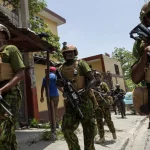
The fighting has pitted pro-Dbeibah forces-including the powerful 444 and 111 Brigades-against opposition groups such as the Special Deterrence Force (Rada) and SSA loyalists. The government’s move to disband “irregular armed groups” after Gheniwa’s death only widened the conflict, as these militias vie for influence over ministries, prisons, and financial institutions.
The humanitarian toll has been severe. In addition to the dozens killed, there are reports of missing persons, destruction of homes, and widespread displacement. Civilian infrastructure has suffered significant damage, and foreign nationals are among the casualties.
The renewed violence exposes the weakness of the UN-backed Government of National Unity (GNU) and the persistent fragmentation of Libya’s security landscape. The country remains divided between the GNU in the west and Khalifa Haftar’s rival administration in the east, with foreign powers such as Turkey, Russia, and the UAE backing different factions.
The United Nations Security Council convened emergency talks on May 16, urging Libya’s leaders to prioritise elections and security sector reform. However, analysts warn that deep-seated militia entrenchment and ongoing disputes over oil revenues and public contracts could fuel further instability.
While ceasefire initiatives continue, Tripoli’s residents remain caught in the crossfire, and the risk of renewed violence looms large. The crisis highlights the urgent need for unified security forces and genuine political reconciliation, objectives that have remained elusive since the fall of Muammar Gaddafi in 2011. As international and local actors push for peace, Libya’s path to long-term stability remains uncertain.
Ceasefire efforts in Tripoli have a critical impact on the daily lives of civilians, primarily by reducing immediate violence and providing a fragile sense of security amid ongoing conflict. The establishment of a “truce committee” by the UN Support Mission in Libya (UNSMIL) and Libya’s Presidential Council aims to secure and maintain the ceasefire, focusing on protecting civilians after recent deadly clashes.
When ceasefires are declared, such as the one on May 14, they enable the deployment of regular and neutral security forces to maintain calm and prevent further clashes, which helps reduce civilian casualties and damage to infrastructure. These efforts also facilitate the reopening of essential services and institutions that are often disrupted during fighting, such as schools, hospitals, and airports, which directly affect civilians’ access to education, healthcare, and mobility.
However, the ceasefires remain fragile and intermittent, with clashes resuming shortly after agreements, perpetuating fear and uncertainty among residents. The ongoing violence has led to the closure of numerous health facilities and schools, worsening humanitarian conditions and limiting civilians’ access to vital services. Displacement is another severe consequence, with thousands forced to flee their homes repeatedly, compounding the suffering and instability for families.
Moreover, ceasefire efforts often come with the promise of political dialogue and security sector reforms, which are crucial for longer-term stability. The UN mission’s focus on consolidating ceasefires includes reducing militia presence in the city centre and preventing attacks on government institutions, which could gradually restore order and improve daily life for civilians. Yet, the persistence of armed groups and the slow pace of political reconciliation mean that civilians continue to live under the threat of renewed violence.