
UGANDA is facing mounting international and domestic criticism after parliament passed the Uganda People’s Defence Forces Amendment Bill 2025, which, if signed by President Yoweri Museveni, will allow civilians to be tried in military courts for a broad range of offences. The bill, passed on May 20, comes despite a Supreme Court ruling in January 2025 that declared such trials unconstitutional and ordered all civilian cases to be transferred to ordinary courts.
UN Human Rights Office Spokesperson Ravina Shamdasani has publicly urged President Museveni to reject the bill, warning that “the trial of civilians by military courts is in principle incompatible with international human rights law” and undermines the fair and impartial administration of justice. The UN and other rights organisations argue that military courts lack independence and are susceptible to executive influence, making them inappropriate venues for civilian trials except in the most exceptional circumstances.
The bill’s passage comes amid a sharp increase in abductions, arbitrary detentions, and reports of torture targeting political opposition members and activists—especially as Uganda approaches elections in early 2026. Notably, the region has seen cross-border abductions of activists and opposition figures:
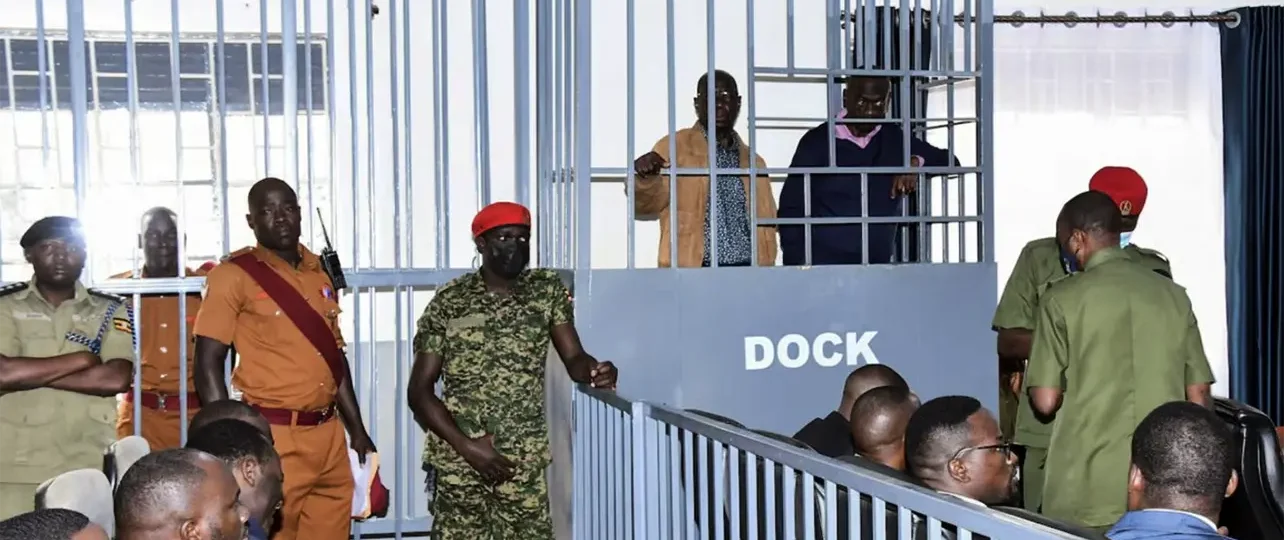
- In November 2023, prominent Ugandan opposition leader Kizza Besigye was abducted in Nairobi, Kenya, with Kenyan authorities later admitting their cooperation in his rendition to Uganda. Besigye was held incommunicado and then brought before a Ugandan military tribunal on treason charges, despite the Supreme Court’s ban on such trials.
- Besigye’s trial, which has seen repeated delays and denial of bail, is widely viewed as politically motivated, with rights groups condemning the use of military courts to suppress dissent.
- Similar patterns have emerged in Tanzania, where opposition activists and journalists from Kenya and Uganda have been detained and deported, fueling accusations of regional collaboration to stifle opposition voices.
Reports indicate that abducted activists and opposition members are often detained in military barracks or even private residences of military officials before being brought to military courts. For example, earlier this month, Uganda’s military chief, Muhoozi Kainerugaba, claimed to be holding a missing opposition activist in his own home, issuing threats of violence. Such practices have intensified fears of torture and other ill-treatment in custody.
Government officials argue that the bill targets civilians involved in military-related offences or collaborating with military personnel, claiming it is necessary for national security and to deter armed threats. However, opposition lawmakers and rights groups insist the law is a tool to suppress political opposition and dissent, particularly ahead of the approaching elections.
Summary Table: Key Developments
| Issue | Details |
| Bill Passed | Uganda People’s Defence Forces Amendment Bill 2025, May 20, 2025 |
| Main Provision | Allows civilians to be tried in military courts for a wide range of offences |
| Supreme Court Ruling | January 2025: Declared military trials of civilians unconstitutional |
| UN/International Response | Strong condemnation; calls for presidential veto |
| Abductions/Detentions | Cross-border abductions (e.g., Besigye in Kenya), detentions in military barracks |
| Political Context | Bill passed ahead of the 2026 elections, amid a crackdown on opposition |
| Regional Pattern | Bill passed ahead of the 2026 elections, amid a crackdown on the opposition |
The passage of Uganda’s military courts bill has intensified concerns about the erosion of civil liberties, the rule of law, and the safety of political activists both within Uganda and across East Africa. Human rights advocates are urging President Museveni to veto the bill and comply with the Supreme Court’s decision, warning that its enactment would further entrench a climate of fear and repression as the country heads into a pivotal election season.