AFRICA is mobilising an unprecedented continental response to combat counterfeit and substandard medicines that kill nearly half a million people across the continent each year, with a crucial coordination meeting taking place in Ethiopia this week.
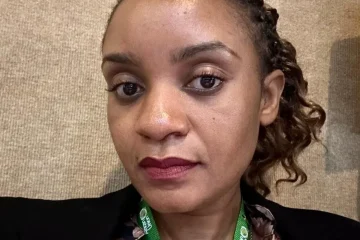
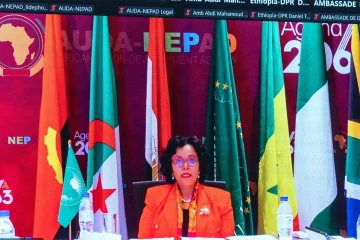
The African Union Development Agency (AUDA-NEPAD) has convened experts from July 9-11 to finalise a comprehensive Continental Plan targeting criminal networks that exploit Africa’s $200 billion fake medicine market – the world’s most lucrative organised crime enterprise after drug trafficking. The meeting will be led by Chimwemwe Chandimba, leader of the Health and the African Medicines Regulatory Harmonisation Initiative of the AUDA-NEPAD. Chandimba is responsible for managing the African Medicines Regulatory Harmonisation Programme (AMRH) and providing technical support to the African Medicines Agency.

Death Toll Rivals Major Diseases
The statistics are staggering: 267,000 deaths annually from fake malaria treatments and 169,271 from counterfeit antibiotics treating severe pneumonia. These numbers rival major disease outbreaks, yet the crisis has operated largely in the shadows.
“One in 10 drugs sold in developing countries is fake or substandard,” said health officials, with Africa bearing the heaviest burden at 18.7% prevalence – the highest globally. Between 2013-2017, 42% of all fake medicines reported to the WHO originated from Africa, despite the continent representing just 17% of the global population.
Recent tragedies underscore the urgency. In 2023, approximately 70 Gambian children under age 5 died after consuming cough syrup containing toxic industrial chemicals instead of medicine.
Criminal Networks Exploit Weak Borders
Sophisticated criminal organisations exploit Africa’s porous borders and fragmented regulatory systems, manufacturing fake medicines in countries with weak oversight and distributing them across the continent through established networks.
“These are not street-corner operations,” explained enforcement officials. “Criminal networks operate with the sophistication of multinational corporations, complete with supply chains targeting vulnerable populations.”
Continental Response Takes Shape
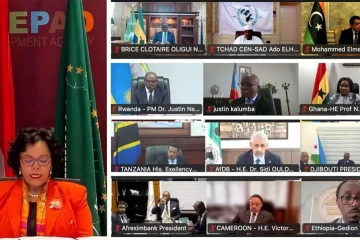
The new SFMP Working Group, comprising experts from regulatory authorities, customs, law enforcement, and judiciary sectors, represents Africa’s most ambitious effort to coordinate across borders and sectors.
Key strategies include:
- Real-time intelligence sharing enables rapid alerts when fake medicines are detected
- Harmonised policies eliminating regulatory gaps that criminals exploit
- Advanced technology, including AI-powered product authentication
- Joint enforcement operations coordinated across multiple countries
“When countries have different standards, criminals simply target the weakest link,” said AUDA-NEPAD officials. “Harmonised policies eliminate these safe havens.”
Multisectoral Warfare
The continental approach treats fake medicines as both a public health crisis and an organised crime challenge, bringing together health authorities, law enforcement, customs, and judicial systems.
“This is not just about medicine – it’s about sophisticated criminal networks that must be dismantled,” said working group members. The initiative includes establishing a continental clearinghouse for quality information and developing specialised prosecution units.
The anti-SFMP campaign serves as a crucial test of Africa’s capacity for continental cooperation, aligning with broader integration goals, including the African Continental Free Trade Area.
“Success here demonstrates Africa’s ability to address transnational challenges through coordinated action,” said AU officials. The institutional mechanisms could be adapted for other forms of organised crime.
Lives in the Balance
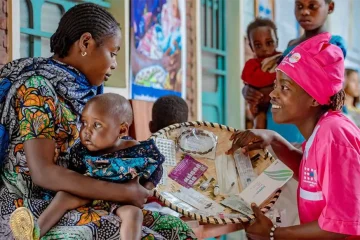
Behind the statistics lie personal tragedies – children who died from fake malaria treatments, mothers who succumbed to ineffective antibiotics, and families devastated by medicines that promised healing but delivered death.
The July meeting will finalise priority interventions, operational frameworks, and regulatory models for immediate implementation across the continent.
“Nearly half a million Africans die annually from preventable causes,” said health ministers. “Criminal networks that profit from human suffering will find no safe haven on this continent.”
The stakes could not be higher: Africa’s fight against fake medicines has become a fight for the integrity of the continent’s healthcare systems and the lives of millions of its people.

She is responsible for managing the African Medicines Regulatory Harmonization (AMRH) Programme and providing technical support for the operationalisation of the African Medicines Agency (AMA).
She leads policy reforms that link regulatory system strengthening to procurement, supporting the local manufacturing of medical products and technologies.
As a health policy specialist, she has spearheaded health policy and regulatory reforms, regional harmonisation and partner coordination.
Chimwemwe has contributed to key continental policy processes including the African Union Model Law on Medical Product Regulation; the Treaty for the establishment of the African Medicines Agency (AMA); the AU Private Sector Engagement in Health Framework; the Science, Technology and Innovation Strategy for Africa (STISA-2024); and African Union Health Strategy.