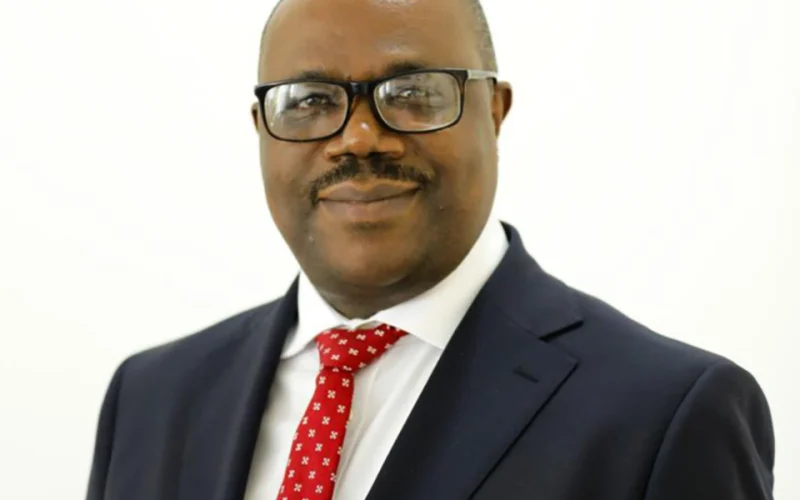
IN the heart of Africa, where a thousand hills roll like green waves toward the horizon, a man named Justin Nsengiyumva sat in a cold prison cell, watching the Rwandan sun set through iron bars. The year was 2008, and his world had collapsed like a house of cards. Once a respected permanent secretary at the Ministry of Education, he now wore the bitter badge of corruption, his reputation in tatters, his future seemingly buried beneath the weight of his conviction.
The cell walls seemed to whisper of dreams deferred and honour lost. But Nsengiyumva was not a man to surrender to despair. In the darkness of his confinement, he began to rebuild himself from the inside out, page by page, principle by principle. He devoured books on economics, governance, and ethics with the hunger of a man who understood that knowledge was his only path to redemption.
Years passed like seasons in the highlands – sometimes harsh, sometimes forgiving. Nsengiyumva emerged from prison a changed man, carrying with him not bitterness, but wisdom earned through the crucible of consequence. He left Rwanda for Britain, where the grey skies and ancient universities offered him anonymity and opportunity in equal measure. At the University of Leicester, he pursued his PhD in economics with the intensity of someone who knew that every day was a gift, every lesson a step toward restoration.
In the corridors of the British government, he found his calling again. As a senior economist for the Office of Rail and Road, he worked with quiet competence, his Rwandan accent softening but never disappearing as he navigated the complex world of infrastructure and regulation. His colleagues knew him as brilliant, dedicated, perhaps a bit mysterious—few knew of the shadows he had walked through to reach these sunlit halls of expertise.
But Rwanda called to him like a mother calls to her child. The hills of his homeland appeared in his dreams, green and eternal, promising second chances to those brave enough to seek them. In 2023, fifteen years after his fall from grace, President Paul Kagame’s voice cut through the morning air like a sword of mercy: “Justin Nsengiyumva is hereby pardoned.”
The phoenix had permission to rise.
Kagame, the architect of modern Rwanda, saw in Nsengiyumva not just the man who had stumbled, but the man who had learned to walk again with purpose. The appointment to deputy governor of the National Bank of Rwanda came swiftly, like the first rain after a long drought. Here was a test – could the man who had once betrayed the public trust now be trusted with the nation’s financial heartbeat?
Nsengiyumva approached his new role with the humility of the redeemed and the precision of the educated. In the gleaming offices of the central bank, he crafted policies with the care of a master craftsman, each decision weighted with the knowledge of what carelessness could cost. His PhD thesis became living policy; his years in exile became institutional wisdom.
The corridors of power in Kigali buzzed with whispers. Some spoke of second chances and the power of redemption. Others questioned whether a pardoned man could truly serve the nation’s highest interests. But Nsengiyumva let his work speak louder than the whispers. Month by month, quarter by quarter, his competence became undeniable.
Then came the call that would reshape a nation’s leadership.
On a Wednesday evening in late 2024, as Kigali’s lights twinkled like earthbound stars, the government spokesperson’s office announced what few had dared to predict: Justin Nsengiyumva would become Prime Minister of Rwanda. The man who had once sat in a prison cell would now sit at the right hand of power, the second most influential person in a nation of thirteen million souls.
Edouard Ngirente, the outgoing Prime Minister who had served faithfully since 2017, graciously stepped aside with words that echoed through the halls of government: “This journey has been deeply enriching.” But for Nsengiyumva, the real journey was just beginning.
As he walked into the Prime Minister’s office for the first time, the weight of history pressed upon his shoulders like the hands of ancestors. Here was a man who had fallen as far as public service allows and risen higher than most dare dream. The boy from Rwanda’s hills had become a British-trained economist, a central banker, and now the daily steward of a nation that had itself risen from the ashes of tragedy to become a beacon of progress in Africa.
The irony was not lost on him—the man once convicted of financial impropriety now held the keys to the national treasury, responsible for safeguarding the fiscal future of his people. But perhaps this was not irony at all. Perhaps this was justice of a different kind—the justice that comes when a man proves he has learned not just from his education, but from his errors.
In the evenings, when the work of government was done and Kigali settled into its highland quiet, Nsengiyumva would sometimes look toward the hills where he had grown up. The same green waves rolled toward the horizon, eternal and forgiving. But the man watching them was not the same man who had been led away in handcuffs sixteen years before.
He was the Phoenix Prime Minister—a living testament to the power of redemption, the possibility of second chances, and the truth that in Rwanda, as in life, it is not how far you fall that defines you, but how high you choose to rise.
The hills of Rwanda had witnessed many transformations—from kingdom to colony, from genocide to renaissance. Now they bore witness to one more: the rise of a man who had learned that true power lies not in avoiding mistakes, but in transforming them into wisdom, and wisdom into service.
In the heart of Africa, where a thousand hills roll like green waves toward the horizon, Justin Nsengiyumva had found his way home.