
THE arrest of Sarah Bireete on Tuesday reads like a page torn from a well-worn playbook, its edges frayed from overuse. Uganda’s veteran ruler, 81-year-old Yoweri Museveni, is orchestrating yet another pre-election symphony of suppression, and the rhythm is achingly familiar.
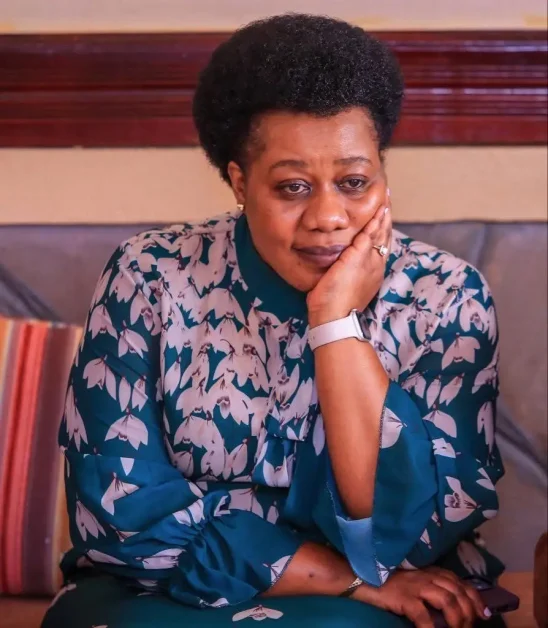
Bireete, a fearless human rights lawyer and executive director of the Centre for Constitutional Governance, joins a growing roster of detained voices as Museveni’s government tightens its grip ahead of polls now just two weeks away. Her crime? Speaking truth to power on local airwaves, documenting the torture and illegal detention of opposition supporters, and refusing to look away when others might have stayed silent.
The detention is part of a widening dragnet that has ensnared hundreds this year alone. At the centre of Museveni’s anxiety stands 43-year-old Bobi Wine, the pop-star-turned-politician whose National Unity Platform has become the ruling party’s most formidable challenge. Wine and his supporters have endured a relentless campaign of harassment that would make authoritarian regimes worldwide nod in grim recognition.
The image is as striking as it is tragic: Wine campaigns in a helmet and bulletproof vest — protective gear that has become his uniform, a visual metaphor for Uganda’s descent into pre-election violence. This isn’t hyperbole. Wine was physically beaten by security forces while campaigning in the country’s north. Police promised an investigation. That promise, like so many others, has evaporated into Uganda’s heavy political air.
The United Nations Human Rights Chief, Volker Türk, hasn’t minced words, decrying an “intensifying crackdown” that has seen at least 550 National Unity Platform supporters detained this year. Each number represents a person, a family disrupted, a voice muffled.
Meanwhile, another major opposition figure, Kizza Besigye, languishes in prison more than a year after his arrest on treason charges — a stark reminder that in Museveni’s Uganda, dissent is treated as betrayal.
A Thorn Awaits Removal?
The question hanging over Uganda isn’t if but when Bobi Wine himself will be detained. For a leader who has ruled since 1986, Wine represents an existential threat — young, charismatic, and resonating with a population increasingly weary of nearly four decades under one man’s rule. At this rate, his arrest feels less like a possibility and more like an inevitability, the final domino in a pre-scripted drama.
What makes this moment particularly painful is its predictability. Uganda has travelled this road before, through multiple election cycles, each one featuring the same cast of tactics: arbitrary detentions, harassment of opposition supporters, violence against candidates, and promises of investigations that lead nowhere.
Sarah Bireete’s detention on Tuesday is both specific in its targeting and symbolic in its message: challenge the regime, document its abuses, amplify opposition voices, and you too will find yourself in police custody, awaiting court proceedings on unspecified charges at an undetermined date.
As Uganda lurches toward January 15, the tragedy isn’t just what’s happening — it’s that everyone can see it coming, a slow-motion democratic collapse playing out in broad daylight, with the international community watching and the outcome feeling grimly predetermined.