GENEVA — The United Nations is urgently warning warring parties in Sudan that the mass atrocities witnessed during the fall of El Fasher must not be repeated as fighting intensifies around Kadugli and Dilling in South Kordofan, following a stark assessment by the UN’s top human rights official.
The warning comes after UN High Commissioner for Human Rights Volker Türk completed a five-day visit to Sudan on Sunday, where he confronted the devastating human toll of the 21-month conflict at displacement camps sheltering survivors of recent violence.
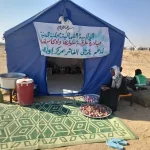
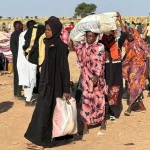
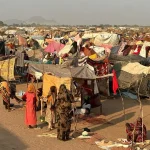
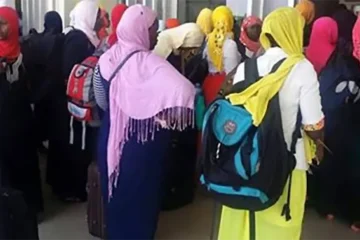
At Al Afad camp in Northern State, housing approximately 20,000 displaced people, Türk witnessed what his spokesperson Ravina Shamdasani described as “the trauma and reverberating impact of the brutality that children, men and women suffered in El Fasher” during their escape.
The October capture of El Fasher by the Rapid Support Forces revealed a pattern of systematic violence that international investigators now believe constitutes war crimes and crimes against humanity. Summary executions were widespread, sexual violence was deployed as a weapon of war, and civilians faced abductions for ransom and dehumanising treatment, according to UN findings.
The offensive followed an 18-month siege that strangled the city, preventing food deliveries and access to healthcare while residential areas endured relentless bombardment.
Speaking at a Geneva press briefing on Tuesday, Shamdasani said Türk personally delivered the warning to an RSF delegation during Sunday meetings, insisting that safe passage must be guaranteed for fleeing civilians.
“They must be protected from summary executions, sexual violence, reprisal attacks based on alleged ‘collaboration’, arbitrary detention and abductions,” she said, outlining specific protections required under international law.
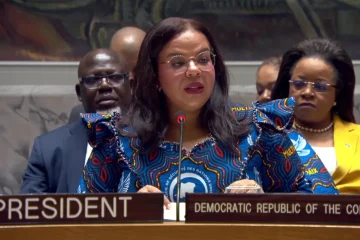
The International Criminal Court delivered a report to the Security Council on Monday confirming the commission of war crimes and crimes against humanity around El Fasher’s fall, validating the UN’s independent findings.
Both the RSF and the Sudanese Armed Forces have perpetrated gross violations throughout the conflict, particularly during offensives to capture new territory, according to UN documentation. Shamdasani emphasised that all parties must ensure forces under their command comply with international humanitarian law and hold violators accountable “regardless of their affiliation.”
Türk also inspected damage at the Merowe dam and hydroelectric station, calling the attacks on critical infrastructure “intolerable” and demanding both sides cease targeting civilian objects, including markets, hospitals, schools and shelters.
The UN continues to press for unimpeded humanitarian access as the conflict displaces millions and pushes regions toward famine conditions.