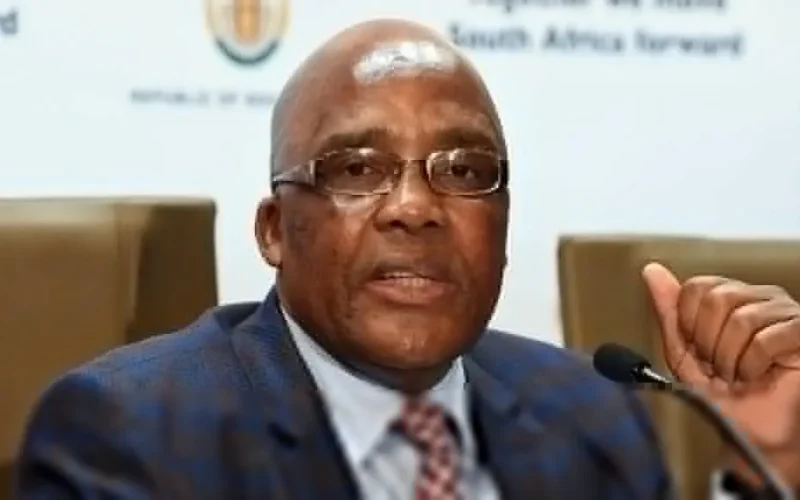
SOUTH Africa’s Health Minister Dr Aaron Motsoaledi has welcomed the final court order to permanently seize luxury assets worth R325 million linked to Hangwani Morgan Maumela, but says the case will not be complete until those behind the Tembisa Hospital looting are arrested and prosecuted. His intervention marks a harder line from government, shifting the focus from asset recovery to criminal accountability for the syndicate and the public servants alleged to have helped it operate.
The minister’s comments come as the state intensifies its response to one of the country’s most damaging health-sector corruption scandals, in which millions meant for patient care were allegedly siphoned off through fraudulent procurement networks. The forfeiture is being seen as a major breakthrough, but Motsoaledi says it is only the start of a wider cleanup that must reach officials inside both Tembisa Hospital and the Gauteng Department of Health.

“We implore the Assets Forfeiture Unit to expedite the recovery process,” said the Minister. “We are also calling upon law enforcement agencies to complete the job through the arrest and criminal prosecution of Hangwani Maumela and his ilk. No one should be allowed to help themselves to resources which were meant for the sick – only a sick society will allow that to happen without any far-reaching and concrete repercussions.”
The case has become a test of whether South Africa can move beyond exposing corruption to punishing it decisively. By linking the seizure of assets to demands for arrests, Motsoaledi is signalling that confiscation alone will not satisfy public anger over a scandal that allegedly involved a network of syndicates, rogue officials, and lavish personal enrichment at the expense of public health.
The minister is also putting pressure on institutions that have often been accused of moving too slowly in major corruption cases. His remarks suggest growing frustration that while the state can trace and freeze assets, the individuals behind the scheme remain free — a gap that risks weakening public confidence in anti-corruption efforts.
This is more than a forfeiture story; it is a political and moral challenge to the health system itself. The scandal has exposed how procurement abuse can hollow out public hospitals from within, and Motsoaledi’s blunt language reflects an attempt to draw a line between mere recovery of stolen wealth and real accountability for those who enabled the theft.