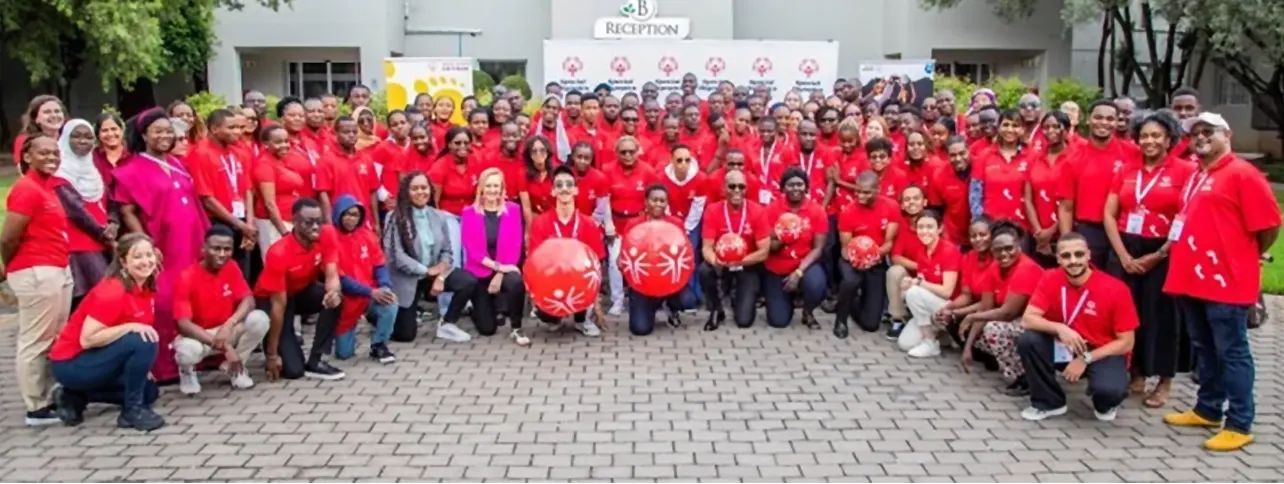

THE sun had barely crested the Johannesburg skyline when they began to arrive.
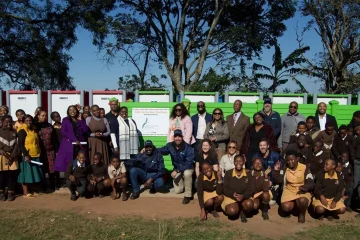
From Burkina Faso and Zambia. From Namibia and beyond. Thirty young people – some walking with the confidence of those who have always been told the future belongs to them, others carrying the quiet fire of those who have spent their whole lives proving that it belongs to them too.

They came to Johannesburg not as guests. Not as beneficiaries. They came as leaders.
On 24 February 2025, the Special Olympics Africa Regional Youth Leadership Summit opened its doors – and in doing so, cracked open something larger: a vision of a continent where every young person, with or without an intellectual or developmental disability, holds a seat at the table that truly matters.
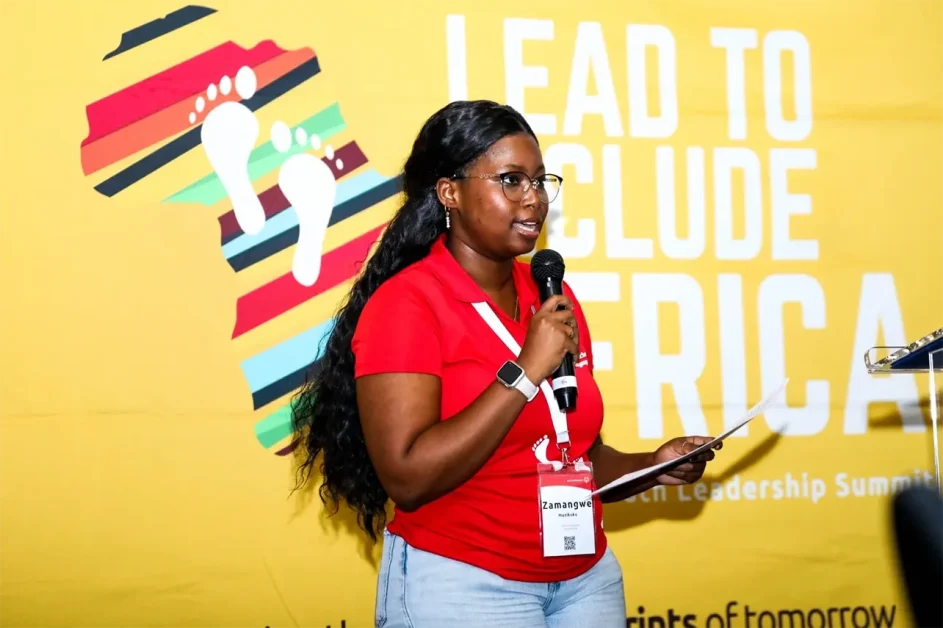
In a city that has seen so many moments of historic reckoning, something quiet and powerful unfolded inside those rooms. Zamangwe Mazibuko and Lumka Gogela – a Unified pair, two young women bound by friendship and purpose – stood before their peers and delivered the welcome. Their words landed not as a ceremony, but as a declaration. “We are here. We belong here. We are already leading.”
Across the room, Hyppolite Koubassare from Burkina Faso listened – the same young man who didn’t wait for an invitation to solve problems in his community. He built an app. With his own hands, his own mind, he built a tool to serve his Special Olympics program. He is not the leader of tomorrow. He is the leader of today, already at work.
This is what the continent’s youth look like when you stop counting them out.
Africa is the youngest continent on Earth. More than 60% of its population is under 25. The world speaks endlessly about Africa’s “demographic dividend” – as if young people are a resource to be harvested in some distant future. But Zamangwe and Hyppolite and the 28 other young leaders in Johannesburg are not waiting for the economists to catch up.
They are building now.
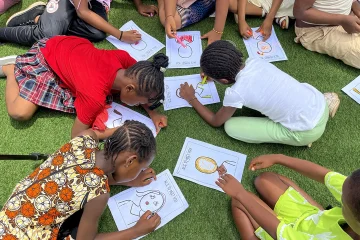
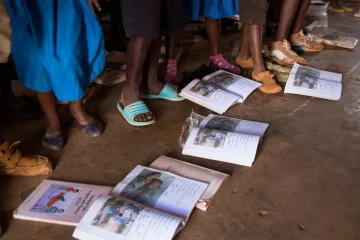
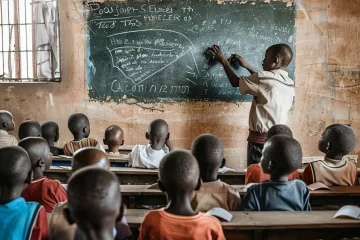
For three days, they worked through leadership workshops and project management training. They visited Unified Champion Schools – places where children with and without intellectual disabilities learn, play, and lead side by side. They debated, they strategised, they challenged each other. And they left not with certificates, but with plans – micro-grants in hand, ready to carry the fire home to their schools and communities across 14 countries.
There is something Charles Nyambe, President of Special Olympics Africa, said that deserves to be written on walls: “Africa is a youth powerhouse – young people are not just the leaders of tomorrow – they are the key to inclusion today.“
He is right. But he is pointing at something even deeper.
For too long, young people with intellectual and developmental disabilities across this continent have been pushed to the edges – excluded from classrooms, from sports fields, from leadership circles, from the simple dignity of being seen. The Summit in Johannesburg was a direct rebuke of that reality. Because when Zamangwe and Lumka stood together at that podium — one with an intellectual disability, one without – they weren’t demonstrating tolerance or charity. They were demonstrating what a society looks like when it is whole.
Inclusion is not a gift the strong give to the vulnerable. It is what happens when we finally stop wasting the brilliance of people we have wrongly kept out.
The work will outlast the Summit. It always does when young people lead.
The thirty who gathered in Johannesburg will return home and convene their own summits. They will mentor the next thirty. They will use their micro-grants to run grassroots projects – in schools, in communities, in the spaces where real life happens and real change takes root. And they will do it not because an organisation told them to, but because they have tasted the possibility of a world that belongs to all of them, and they will not let it go.
Dr Timothy Shriver, Chairman of Special Olympics International, put it plainly: “Young people are not waiting for permission to lead.”
Africa’s youth never were.
The sun set over Johannesburg, and the city hummed with its usual, relentless energy. Somewhere in that hum were thirty young voices, sharper now, louder now, carrying home the knowledge that the future they were told to wait for is already in their hands.
They didn’t come to Johannesburg to be inspired.
They came to be unstoppable.