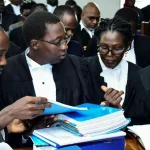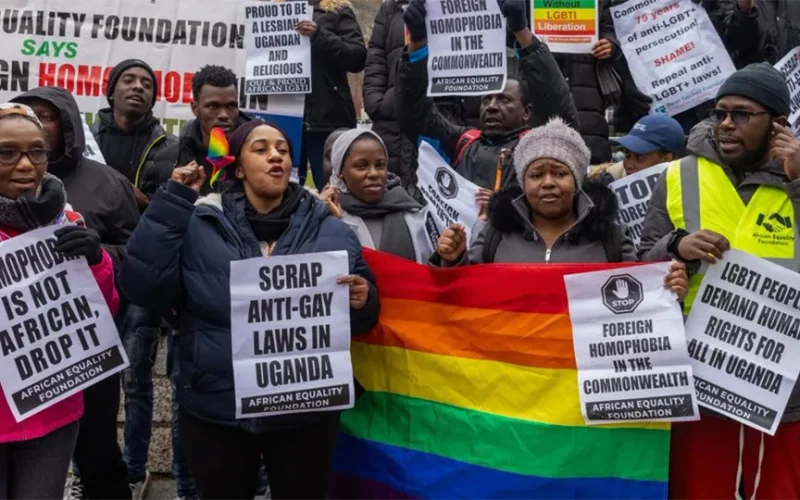
ON Wednesday, Senegal’s parliament voted 135 to zero – three abstentions, not a single dissent- — to double the maximum prison term for same-sex relations to ten years and to criminalise any promotion of homosexuality. The same week, details emerged that Ugandan police had arrested two young women in Arua City last month for kissing in public. Across the continent, Ghana’s parliament was receiving a revived bill that would jail people for simply identifying as LGBT. In three weeks, Africa’s anti-gay crackdown had found a new gear.
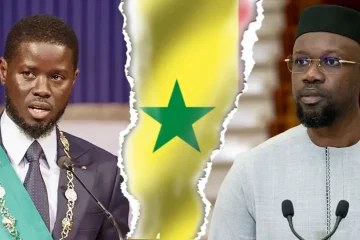
The Senegalese vote is the most sweeping of the recent moves. The legislation, championed by President Bassirou Diomaye Faye and Prime Minister Ousmane Sonko as a campaign promise since 2024, now awaits presidential assent – which Faye is widely expected to provide. The new law raises sentences for what the penal code calls “acts against nature” from a maximum of five years to between five and ten years, with the ceiling applied when a minor is involved. It also imposes three to seven years in prison for anyone convicted of advocating for same-sex relations, and fines of up to 10 million CFA francs – approximately $17,700.
From the floor of parliament, the mood was explicit. “Homosexuals will no longer breathe in this country,” declared lawmaker Diaraye Ba, to applause from colleagues. The weeks preceding the vote had already seen a surge of arrests: 27 men detained between 9 and 24 February on suspicion of same-sex conduct, according to the International Federation for Human Rights. Some faced the additional charge of “voluntary transmission” of HIV – itself carrying up to ten years — in what rights defenders described as a calculated effort to fuse anti-LGBT persecution with public health anxiety.
“Homosexuals will no longer breathe in this country.” — Lawmaker Diaraye Ba, Senegal’s National Assembly, 11 March 2026
In Uganda, two women – Wendy Faith, 22, a dancer known as Torrero Bae, and Alesi Diana Denise, 21 – were arrested on 18 February in Arua City after neighbours who had been surveilling their home called police. The charge: kissing. Human Rights Watch, which documented the case on 10 March, reported that the area’s Assistant Resident District Commissioner publicly celebrated the arrest and announced plans to send the women for “rehabilitation and spiritual intercession.” The pair have been released on police bond but cannot return to their neighbourhood. Their names have been published. Their futures in Uganda are effectively foreclosed.
The arrests were made under Uganda’s Anti-Homosexuality Act of 2023, which prescribes life imprisonment for consensual same-sex conduct and reserves the death penalty for acts it defines as “aggravated.” The law has mandated that citizens report any “reasonable suspicion” of homosexual conduct to authorities, deputising neighbours, landlords, and acquaintances as instruments of state surveillance. HIV testing in Uganda fell by an estimated 31 percent following the law’s passage as fear emptied clinics. UNAIDS has warned that two decades of public health progress are being dismantled.
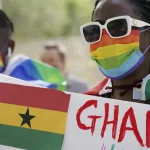
In Ghana, parliament on 17 February received the revived Human Sexual Rights and Family Values Bill – legislation that would imprison people for three years simply for claiming an LGBT identity, and up to ten years for advocacy. An earlier version passed parliament in February 2024 but lapsed when then-President Akufo-Addo declined to sign it. His successor, President John Dramani Mahama, who returned to office in January 2025, has indicated support. Burkina Faso, meanwhile, criminalised same-sex relations for the first time last year, imposing terms of up to five years.
Rights groups have drawn a direct line between the laws now being toughened and the British colonial codes that introduced these prohibitions in the first place. Uganda’s penal code derives from Victorian-era statutes. Ghana’s anti-sodomy law dates to the 1860s. Senegal’s original prohibition was last amended in 1966. The claim that persecuting gay people is an expression of African tradition, rather than a colonial inheritance now being hardened for political advantage, is contradicted by the historical record.
What the record also shows is the role of organised American evangelical networks in funding and drafting the new generation of these laws. Ghana is scheduled to host the fourth African Inter-Parliamentary Conference on Family and Sovereignty in Accra in May 2026, a platform with documented ties to US far-right lobby groups that have publicly promoted Uganda’s 2023 law as a continental model. The infrastructure of persecution has foreign architects.
Frank Mugisha, Executive Director of Sexual Minorities Uganda, has noted that the 2023 Ugandan law handed criminal networks an extortion weapon, with victims too terrified of authorities to seek help. In January 2026, ahead of Ugandan general elections, several human rights organisations providing legal support to LGBT Ugandans were forced to shut down.
Across 31 of Africa’s 54 countries, consensual same-sex conduct between adults remains a criminal offence. Not one regional body – not ECOWAS, not the East African Community, not the African Union – has spoken against the current wave. The laws are being written harder every week, and the silence from above is deafening.
Two women are currently in custody in Uganda for allegedly kissing in public.
— Human Rights Watch (@hrw) March 11, 2026
The pair, whom Ugandan police arrested on February 18, are detained under the country’s Anti-Homosexuality Act, one of the most draconian anti-LGBT legislations in the world. https://t.co/6qmNERuQ82