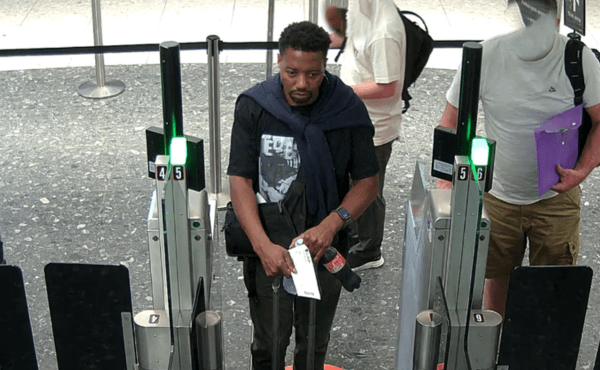
SOMEWHERE in Zimbabwe tonight, a 45-year-old British IT executive is a wanted man – the target of an international manhunt over what British police are treating as murders most foul: the killing of his wife and two young daughters inside their four-bedroom Bedfordshire mansion.
Bedfordshire Police have named the suspect as Ndodana Mkhanyisi Tshuma, also known as Mark Tshuma, a senior IT manager reported to earn roughly £100,000 a year and formerly the head of Development and Support at the Institute of Chartered Accountants in England and Wales (ICAEW) until 2024. Detectives say he boarded a flight out of London Heathrow on a British passport on the Saturday before his family’s bodies were discovered — and that he is now believed to be in Zimbabwe, the country of his birth.

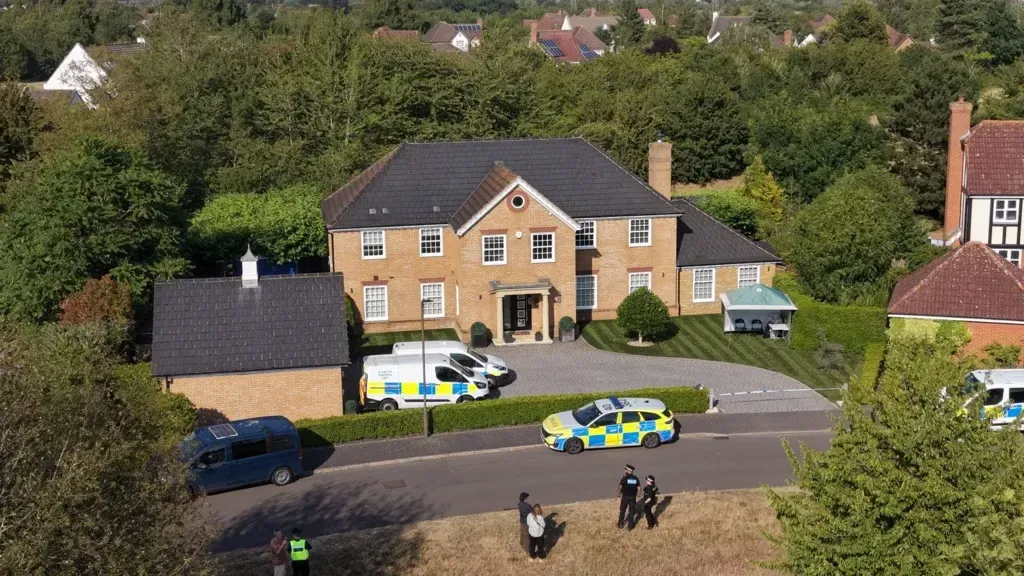
The victims have been identified as Tshuma’s wife, Nothabo Zandile Tshuma, 42, known as Zandile, and their daughters Natalie, 15, and Nala, 5. Officers forced entry into the family’s Great Denham home on Tuesday after the three had not been seen for several days, and found all of them dead inside. Bedfordshire Police have since released photographs of the mother and daughters and launched a formal murder investigation.
The property itself has become part of the story: bought two years ago for £1.3 million and extensively renovated, it now has a swimming pool and four bedrooms and bathrooms – the trappings, on the surface, of a comfortable diaspora success story. That contrast, between the outward image of an accomplished British-Zimbabwean professional family and the horror discovered behind the front door, is what has driven the case to the top of British news bulletins this week.
Detective Inspector Lee Martin, the senior investigating officer, has appealed directly to Tshuma to surrender. “We have been carrying out numerous lines of enquiry as part of this fast-paced, complex investigation,” Martin said, confirming that Tshuma left the country on the Saturday and is now believed to be in Zimbabwe. Police have released CCTV images of him departing Heathrow and say they are working with international law enforcement agencies to locate and apprehend him.
The appeal to Tshuma was blunt and personal: that his flight has caused “unthinkable harm” to those around him, and that his relatives and friends have been left “utterly devastated.” Bedfordshire Police’s message that “criminal investigation knows no borders” is, however, more aspiration than settled legal fact where Zimbabwe is concerned.
Here, the case moves from tabloid tragedy to a harder policy story with real African resonance. Zimbabwe was, until late last year, listed as a Type B territory under Part 2 of Britain’s Extradition Act 2003 — a formal, if imperfect, legal channel through which London could seek the return of fugitives. In 2025, the UK government struck Zimbabwe from that list entirely. Home Office legislation now records plainly that “there is no international agreement or arrangement in place to underpin the designation of Zimbabwe” for extradition purposes. Cooperation, where it happens at all, must now be negotiated case by case under section 194 of the Act — a slower, discretionary, diplomatically fraught process with no guarantee of success.
In practice, that leaves British detectives dependent on Interpol notices, informal diplomatic pressure, and Zimbabwean goodwill to bring any suspect home — exactly the scenario Bedfordshire Police now face. It is a gap that predates this case by only months, and one that will be tested by it in the full glare of international attention.
For readers across the continent, the Tshuma case lands amid a broader and uncomfortable pattern: professionals who build careers and families in Britain, only for that life to end in violence, followed by flight to a home country that offers, however unintentionally, a measure of legal shelter. It is a pattern that puts African governments — and their extradition arrangements with Western states — under scrutiny each time it recurs, and one that African diaspora communities in Britain, already navigating suspicion and scrutiny, can ill afford to have repeated.
Whether Tshuma is found in Zimbabwe, has moved on elsewhere, or eventually surrenders as police have urged him to, the case has already exposed a structural weakness that outlives this single tragedy: a formal extradition vacuum between London and Harare, opened just as it is most acutely needed.
| KEY FACTS Suspect: Ndodana Mkhanyisi “Mark” Tshuma, 45, British citizen of Zimbabwean heritage, senior IT manager Victims: Wife Nothabo Zandile Tshuma, 42; daughters Natalie, 15, and Nala, 5 Location: Family home, Great Denham, Bedfordshire, England (bought for £1.3 million) Timeline: Suspect departed Heathrow for Zimbabwe on a Saturday; bodies discovered the following Tuesday after police forced entry Legal status: Zimbabwe was removed from the UK’s designated extradition territories in 2025; no formal extradition treaty currently applies |