IN a groundbreaking move set to transform South Africa’s logistics landscape, state-owned Transnet is embarking on an ambitious journey to revitalize the country’s freight rail network and port systems through strategic private-sector partnerships.
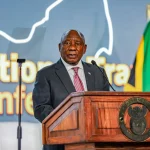
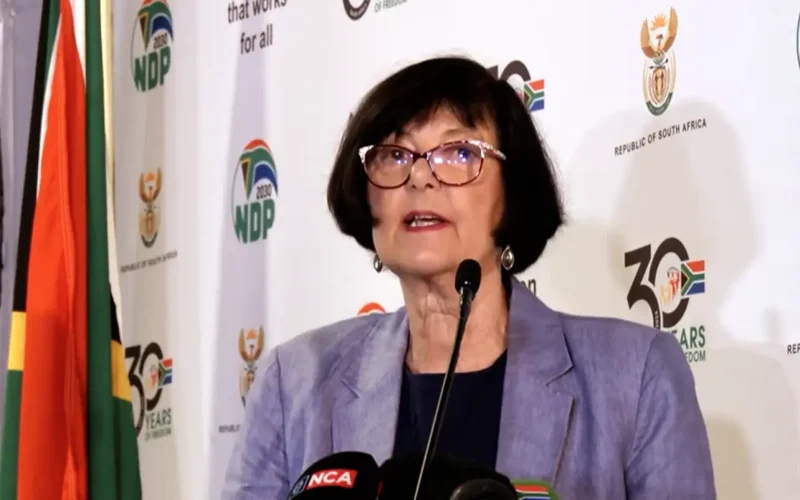
Transport Minister Barbara Creecy announced this pivotal initiative on Sunday, marking what many industry experts consider a watershed moment for South Africa’s economic infrastructure.
“The Roadmap for The Freight Logistics System in South Africa clarifies that strategic infrastructure such as rail lines and ports will remain in public ownership, as assets belonging to South African people,” Minister Creecy emphasised during her address. “At the same time, it paves the way for greater competition in rail and port terminal operations, which will attract private investment and improve our infrastructure to world-class standards.”
This innovative approach comes at a critical time. South Africa’s once-proud logistics network has faced mounting challenges in recent years, creating bottlenecks that have hampered economic growth and international trade competitiveness.
“South Africa’s rail and port infrastructure faces substantial challenges, including declining performance; theft and vandalism; under-investment, and operational inefficiencies. All of these hinder trade and economic growth,” Minister Creecy acknowledged frankly.
The Minister’s announcement centered on the launch of an online Request For Information (RFI) process, designed to engage private sector players interested in partnering with the government to rehabilitate and reform the country’s logistics infrastructure.
“The limited availability of state resources to fund infrastructure development and address backlogs has intensified these challenges, severely restricting the ability of state-owned entities to fulfil their critical mandates,” she explained.
What makes this initiative particularly noteworthy is the overwhelming interest already shown by private companies even before the formal process began.
“Together with Transnet, the Government has received numerous unsolicited proposals from the private sector offering investment, skills, and expertise to support the rehabilitation and reform of our struggling rail and port systems,” Creecy revealed.
The initial phase of Private Sector Participation will focus on several strategic corridors vital to South Africa’s export economy, including:
- The Northern Cape to Saldanha Bulk Minerals Corridor is primarily for iron ore and manganese exports, and the Northern Cape to Nelson Mandela Bay Corridor is for manganese exports
- The Limpopo and Mpumalanga to Richards Bay Bulk Minerals Corridor for coal and chrome exports
- An Intermodal Supply Chain project focused on container and automotive sectors
Creecy emphasised that this initiative represents “a pivotal step forward in our shared commitment to building a 21st-century transport system that goes beyond mobility to strengthen industrial competitiveness, deepen regional integration, and drive inclusive economic growth.”
The South African government has established safeguards to ensure these partnerships serve broader national interests. Creecy outlined guiding principles including:
“We must ensure a just transition to a reformed rail and port logistics system, prioritising maximum job retention for employees of Transnet and PRASA,” she stated. The Minister also emphasised the commitment to “safeguard immovable assets by retaining them under state ownership for the benefit of future generations and preventing the balkanisation of the rail and port system as has occurred in other countries.”
Additionally, these partnerships will actively promote localisation, industrialization, and support key sectors like steel production and local rail manufacturing while demonstrating “commitment to Broad-Based Black Economic Empowerment and gender equality by providing strong support to new and emerging players in the rail and port sectors, including SMEs and SMMEs.”
The RFI portal (www.psp-rfi.co.za) opened on March 24 and will remain accessible until May 9, 2025. Following this consultation phase, formal Requests for Proposals will be issued in August 2025, with procurement beginning shortly thereafter.
Creecy concluded: “I encourage all interested and affected parties to actively engage in this RFI process, contributing to the PSP Unit’s efforts in shaping the potential PSP Programme of Projects and designing future bid packages for procurement.”
Throughout her speech, Creecy emphasised that this initiative was not merely a technical infrastructure project, but a visionary reimagining of how public assets can be leveraged through private sector expertise to create a more dynamic, efficient and competitive economy that benefits all South Africans.