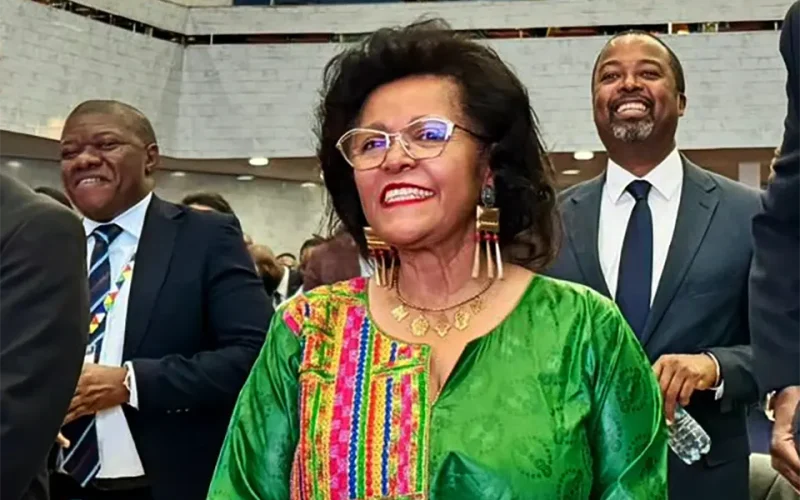
The visionary leading Africa’s march toward health sovereignty
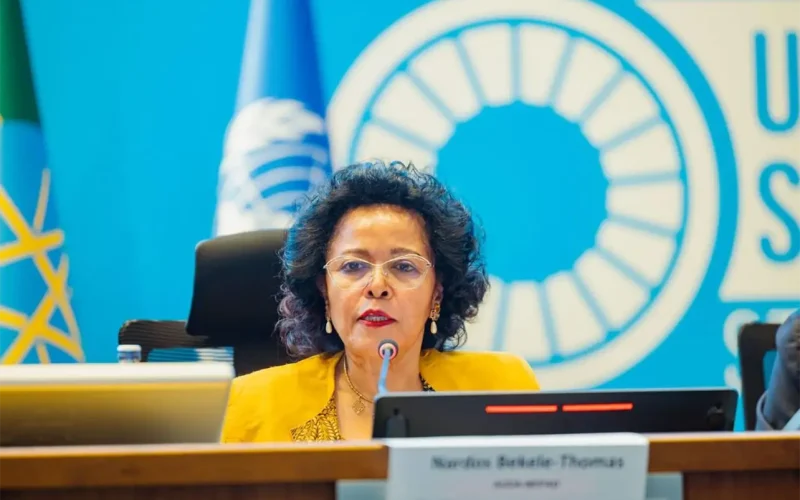
IN the gleaming conference halls of Addis Ababa and the bustling pharmaceutical factories emerging across Africa, a quiet revolution is taking shape. At its helm stands Dr Nardos Bekele-Thomas, a woman whose vision extends far beyond spreadsheets and policy papers—she sees a continent of 1.4 billion people finally commanding their own health destiny. As Chief Executive Officer of the African Union Development Agency-New Partnership for Africa's Development (AUDA-NEPAD), Dr Bekele-Thomas isn't just managing programs; she's orchestrating a continental awakening. Her mission is audacious yet achingly necessary: to break the chains of pharmaceutical dependency that have left Africa importing 61% of…