
A new report has documented an alarming escalation in attacks on media freedom in Nigeria, with 141 incidents of harassment, detention, and violence against journalists and citizens recorded during the first two years of President Bola Ahmed Tinubu’s administration.
The Media Rights Agenda (MRA) released its mid-term assessment, revealing that law enforcement agencies have systematically targeted journalists and critics through the misuse of cybercrime legislation, creating what the organisation calls an “onslaught” against press freedom.
Between May 29, 2023, and May 29, 2025, Nigerian police were responsible for 61 cases of attacks on media workers and citizens expressing their views – representing 43% of all documented violations. The Department of State Services accounted for an additional seven cases, bringing the total law enforcement involvement to nearly half of all incidents.
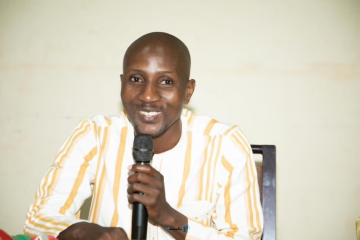
“We are seeing threats to media freedom in Nigeria through the continued implementation of repressive laws, such as the Cybercrime Act, which is frequently used to target, silence or punish journalists,” said Edetaen Ojo, MRA’s Executive Director.
Cybercrime Law Weaponized Against Press
The report identifies Section 24 of the Cybercrimes Act of 2015 as a primary threat to media freedom. Law enforcement agencies have exploited this provision to arrest and prosecute journalists and social media users for critical commentary online.
High-profile cases include the arrests of Emmanuel Uti from the Foundation for Investigative Journalism, blogger Destiny Ekhorutomuen in Edo State, four journalists from Informant247 in Kwara State, and human rights lawyer Dele Farotimi. Many faced excessive bail conditions or prolonged detention.
The misuse became so egregious that diplomatic missions from the United States, United Kingdom, Canada, Norway, and Finland issued an unprecedented joint statement in June 2025, criticising the Nigerian government’s abuse of the Act and demanding urgent reforms.
Peaceful Protest Treated as Treason
The administration has criminalised constitutionally protected activities, including peaceful protests and dissent. Protesters, including minors, have been charged with treason – an offence carrying the death penalty – for exercising their democratic rights.
Journalists covering peaceful demonstrations have faced beatings, arrests, equipment seizure, and detention, with no perpetrators held accountable for these attacks.
Presidential Irony
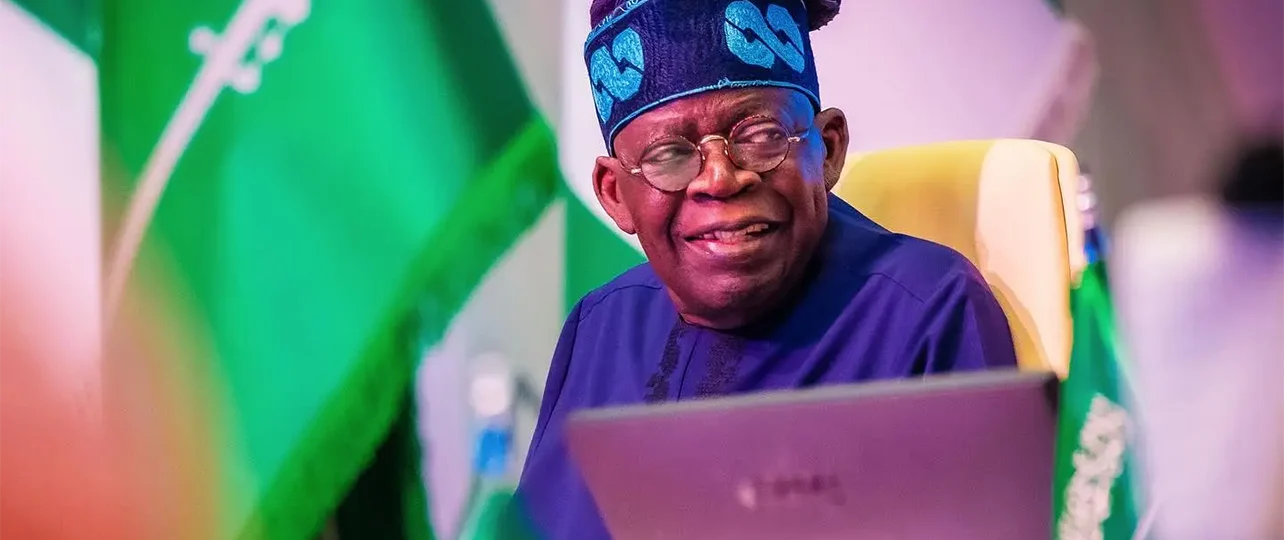
MRA Communications Officer Idowu Adewale highlighted the contradiction between Tinubu’s past and present, calling it “deeply ironic and troubling that President Bola Ahmed Tinubu, himself a former pro-democracy activist and owner of multiple media outlets across print, radio and television, now presides over an administration increasingly defined by the repression of the very freedoms he once championed.”
The organisation argues that the Tinubu Administration bears legal responsibility for these violations under international principles governing state accountability for law enforcement conduct that threatens journalist safety.
Call for Reform
MRA is demanding that stakeholders—including the media community, civil society, judiciary, National Assembly, and international community—pressure the government to implement meaningful reforms protecting media freedom and democratic expression.
The report, titled “The Onslaught Intensifies: A Mid-term Assessment Report on Media Freedom under the Tinubu Administration,” serves as both documentation and analysis of how the current government has impacted Nigeria’s freedom of expression landscape.
As Nigeria approaches the midpoint of Tinubu’s term, the findings raise serious questions about the country’s commitment to democratic principles and press freedom in an increasingly restrictive media environment.