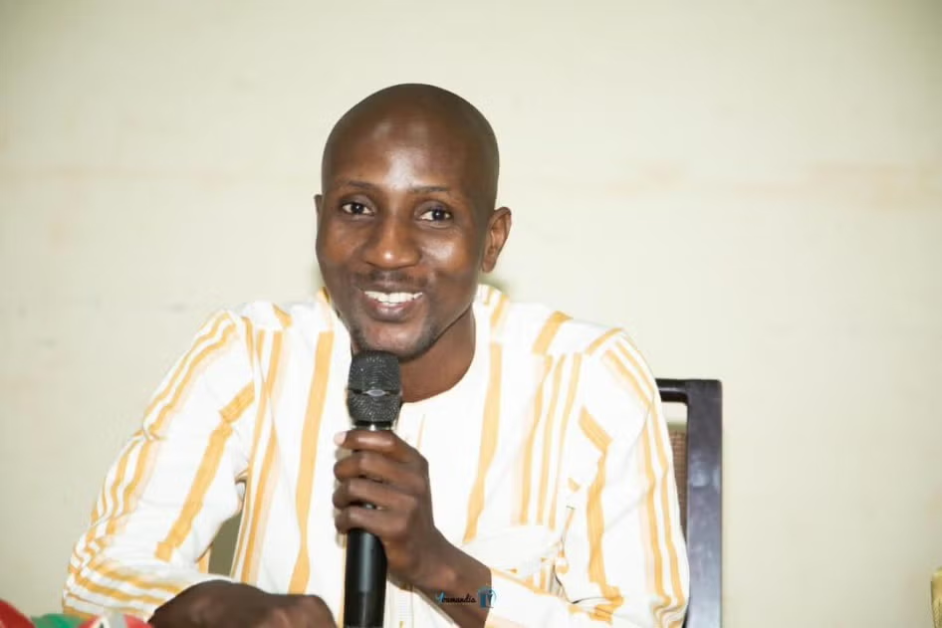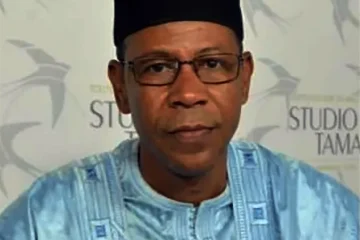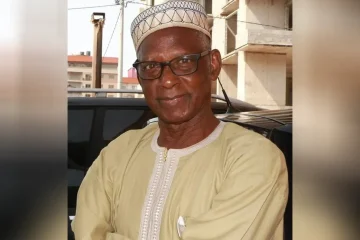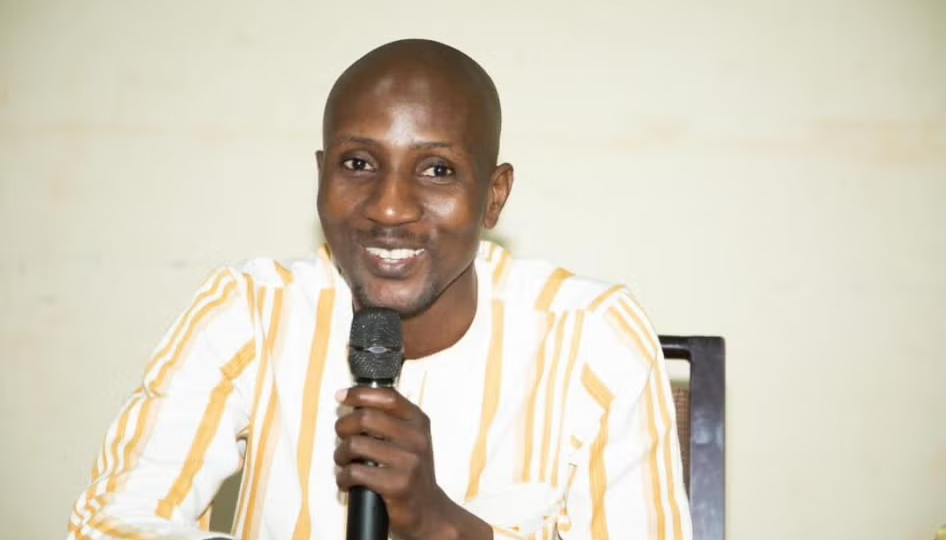

Two years after journalist Atiana Serge Oulon vanished in Burkina Faso, his disappearance has become more than a missing-person case. It now stands as a warning about how the military authorities are using fear, secrecy and coercion to suppress scrutiny of their rule.
Oulon, who led the investigative weekly L’Événement, was seized from his home in Ouagadougou on June 24, 2024, by armed men who identified themselves as intelligence agents. Authorities later claimed he had been conscripted into the army, but rights groups say the evidence points instead to enforced disappearance and secret detention.
That distinction matters. Conscription implies a legal, if disputed, state action; enforced disappearance means a person is taken and effectively erased from the protection of the law. In Oulon’s case, the authorities have failed to provide a credible explanation for his whereabouts, leaving his family in uncertainty and intensifying allegations of abuse.
The case also fits a wider pattern in Burkina Faso. Since the military took power in 2022, the country has seen a shrinking civic space, growing pressure on journalists and a harder line against critical reporting. The crackdown has been justified in the name of national security, but it has also created a climate of fear for media workers covering corruption, military conduct and abuses linked to the insurgency.
Oulon’s reporting appears to have made him vulnerable. He had written about alleged mismanagement and corruption involving the security forces before his disappearance. In authoritarian settings, that kind of reporting can quickly draw retaliation, and his case suggests Burkina Faso’s rulers may be treating critical journalism as a threat to be neutralized rather than a public service to be protected.
The implications go beyond one journalist. If a prominent editor can disappear without a credible explanation for two years, the message to the rest of the press corps is clear: Investigate at your peril. That climate does not only silence reporters; it also deprives the public of independent information when accountability is most needed.
Burkina Faso’s authorities now face a basic test of credibility. They must account for Oulon’s fate, clarify whether he is alive and in state custody, and explain the legal basis for any detention or conscription claims. Until they do, the case will remain a symbol of the junta’s assault on transparency, due process and press freedom.