IN the remote forests of southeastern Kenya, the earth continues to surrender its terrible secrets. Each shovel of soil turned by investigators in white hazmat suits reveals another chapter in a story that has shaken the nation to its very foundations – a tale of faith twisted into fanaticism, of lives lost to the false promises of a doomsday cult that continues to claim victims even from behind prison walls.
The village of Kwa Binzaro, once a quiet settlement nestled in dense thickets thirty kilometres from the infamous Shakahola Forest, has become the latest epicentre of horror. Over the past week, thirty-two bodies have been exhumed from shallow graves hidden beneath the forest canopy, each discovery sending fresh waves of anguish through families already devastated by loss and prompting renewed soul-searching about how such tragedies continue to unfold.
Echoes of Shakahola
The pattern is disturbingly familiar. Government pathologist Richard Njoroge, his voice heavy with the weight of repetitive tragedy, confirmed that seven more bodies were recovered on Thursday alone. These are not random deaths – investigators believe they are linked to the same Christian sect that orchestrated the Shakahola Forest massacre in 2023, where over 400 people perished in what prosecutors describe as a methodical campaign of starvation ordered by cult leader Paul Mackenzie.
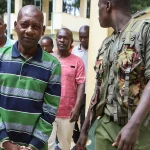
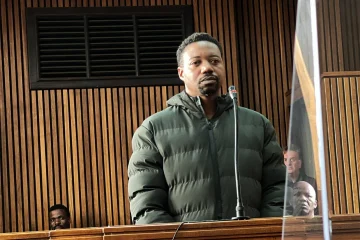
Mackenzie, the self-styled pastor who allegedly convinced his followers that starvation was their pathway to heaven before the world’s end, now faces charges of murder and terrorism. From his prison cell, he maintains his innocence. Yet even behind bars, his influence appears to persist like a malignant shadow. Interior Minister Kipchumba Murkomen revealed that survivors rescued from Kwa Binzaro spoke of Mackenzie continuing to pray for them from prison – a chilling testament to the enduring grip of his manipulation.
A Government’s Promise, A Community’s Pain
The discoveries have exposed the painful gap between political promises and ground-level reality. After the Shakahola tragedy, President William Ruto’s government made solemn pledges to tighten oversight of religious organisations and strengthen community-based surveillance. New regulations were drafted, speeches were made, and assurances were given that such horror would never again be allowed to flourish in Kenya’s shadows.
Yet here, in the suffocating humidity of the coastal forests, the reality tells a different story. Human rights activist Hussein Khalid, writing with barely contained fury in the Star newspaper, captured the nation’s disillusionment: “What we are witnessing is a betrayal. A betrayal of the most sacred duty of any state- to protect the lives of its citizens.”
Khalid’s criticism cuts to the heart of Kenya’s struggle with religious extremism: a top-down, security-focused approach that has failed to engage meaningfully with the communities where these cults take root. While eleven suspects have been arrested in connection with the Kwa Binzaro deaths, critics argue that arrests alone cannot address the deeper vulnerabilities that allow such movements to flourish.
Families in Limbo
Behind the statistics and policy debates lie human stories of unbearable grief. William Ponda Titus sits in his home in nearby Malindi, a man hollowed out by loss. Eight members of his family joined Mackenzie’s cult beginning in 2015. Four bodies were found in Shakahola—his mother and brother among them. Four others remain missing, and he believes they may have relocated to Kwa Binzaro before meeting their fate.
“This thing has hurt me very much because right now it is only me and my father. I am sick since I got the news,” Titus told reporters, his words carrying the weight of a family tree pruned by fanaticism.
Now he waits, as do countless other families, for DNA tests that will either confirm their worst fears or leave them suspended in the agony of uncertainty. It is a waiting that has become all too familiar in Kenya—the limbo between hope and despair that families of cult victims know intimately.
His cousin, Michael Ruwa, voiced the frustration that many feel toward their government’s response: “The matter is being taken very lightly. We ask the government to treat the matter seriously because it is people who have been lost in there. Not animals.”
A Nation’s Reckoning
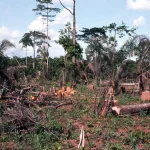
As search operations continue in the forests of Kwa Binzaro, with workers methodically combing through vegetation that may conceal more graves, Kenya faces uncomfortable questions about its own vulnerabilities. How do charismatic leaders continue to find fertile ground for their deadly doctrines? Why do government promises of reform feel hollow when new tragedies unfold? What does it say about a society when people become so desperate for meaning that they surrender their lives to false prophets?
The discoveries in Kwa Binzaro are more than a law enforcement matter—they represent a moral crisis that demands examination of the social, economic, and spiritual conditions that make people susceptible to such extreme manipulation. Each body exhumed is not just evidence in a criminal case, but a testament to failed systems of protection and a reminder that the work of safeguarding vulnerable communities requires more than legislative promises.
As Kenya grapples with this latest chapter in its ongoing cult crisis, the nation must confront a stark reality: until the root causes that drive people into the arms of extremist movements are addressed, the forests may continue to yield their grisly harvest, and families like that of William Ponda Titus will continue to count the cost of faith corrupted into fatal delusion.
The search continues, both in the forests of Kwa Binzaro and in the soul of a nation struggling to protect its most vulnerable citizens from those who would exploit their deepest spiritual longings for the most tragic ends.