AS the United States launched a devastating bombing campaign against Iran’s nuclear facilities – Fordow, Natanz, and Isfahan – escalating the Israel-Iran war into a dangerous new phase, African nations responded with a powerful and unified call for restraint, dialogue, and respect for international law.
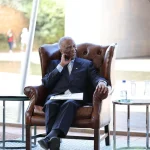
South Africa, led by President Cyril Ramaphosa, voiced deep anxiety over the US military intervention, condemning the violence and urging all parties – especially the United States, Israel, and Iran – to allow the United Nations to lead peaceful negotiations. Ramaphosa emphasised that only through dialogue and UN-led inspections of Iran’s nuclear program could the cycle of violence be broken and regional stability restored.
This stance reflected a broader African sentiment. The African Union expressed grave concern over the conflict’s rapid escalation, warning that the violence posed a serious threat to international peace and security and calling for maximum restraint from all sides. Countries such as Sudan and Mauritania condemned the US strikes as violations of sovereignty and international law, with Mauritania witnessing public protests against the attacks. Egypt, directly affected by regional instability, placed its military on alert amid fears of economic fallout and fuel shortages.
Other African nations offered measured responses, balancing condemnation of violence with calls for de-escalation. Kenya criticised Iran’s retaliatory missile strikes but urged both Israel and Iran to de-escalate and adhere to UN principles. Nigeria warned of the conflict’s destabilising effects on the region and advocated for diplomatic solutions, calling on the UN to intervene. Tunisia expressed strong support for Iran, while Ghana and Namibia raised alarms over the economic shocks the conflict could trigger across Africa.
Africa’s collective voice carries weight beyond moral appeal. By condemning unilateral military actions and emphasising adherence to international law, African countries contribute to shaping global norms around conflict resolution. Their calls for diplomacy and UN-led mediation add pressure on the US and Iran to reconsider further military escalation, especially as Iran warns of “irreparable damage” and potential retaliatory strikes targeting US bases and vital shipping lanes like the Strait of Hormuz.
Moreover, African leaders highlight the broader economic consequences of the conflict, including rising oil prices and market instability that threaten fragile African economies. This economic interconnectedness underscores the urgency of peace and may influence international actors to pursue negotiations over warfare.
In this volatile moment, Africa’s response is a beacon of reason and hope. It reflects a continent shaped by the painful lessons of war and the enduring belief that dialogue, not bombs, can forge lasting peace. As President Ramaphosa urged, the world must “give the United Nations the opportunity to lead, to inspect, to verify, and above all, to bring all parties to the table.”
Amid warnings from Iran’s leadership that US involvement could provoke catastrophic consequences, Africa’s call for diplomacy and restraint stands as a critical counterbalance to the escalating conflict. It reminds the global community that peace is not only possible but imperative, for the sake of millions in the Middle East, Africa, and beyond.
In the face of war’s roar, Africa’s voice rises clearly: dialogue over destruction, peace over peril. The world would do well to listen.