IN the escalating shadow war between Iran and Israel, where proxy conflicts rage across Lebanon, Syria, and Gaza, an unexpected voice has emerged from the wreckage of another Middle Eastern nation, one that serves as a chilling reminder of what happens when regional powers trust Western promises.
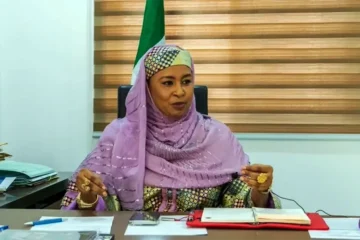
Aisha Gaddafi, daughter of Libya’s fallen leader Muammar Gaddafi, has broken her silence with a stark warning to Iran that cuts through the diplomatic noise surrounding the current crisis. Her message, delivered through social media to the “great and resilient people of Iran,” carries the weight of lived tragedy and serves as a haunting parallel to Iran’s current predicament as it faces mounting pressure from Israel and its Western allies.
“I speak to you after experiencing pain, destruction, and betrayal,” Gaddafi’s message begins, her words carrying the authority of someone who witnessed firsthand the consequences of trusting Western diplomatic overtures. She recalls how her father was persuaded to abandon Libya’s nuclear and missile programs—the very weapons that might have deterred the NATO intervention that ultimately destroyed their nation.
The parallels to Iran’s current situation are unmistakable. As Israel threatens military action against Iran’s nuclear facilities and Western powers impose crippling sanctions, Iran finds itself in a position eerily similar to Libya in 2011. Both nations possessed or pursued nuclear capabilities. Both faced international isolation. Both were promised that compromise would lead to acceptance.
“These are the same people who told my father, ‘If you abandon your nuclear and missile programs, the doors of the world will open for you,'” Gaddafi wrote, her words serving as a direct challenge to current Western diplomatic efforts to curb Iran’s nuclear ambitions through negotiations.
A Warning Forged in Fire
The timing of Gaddafi’s intervention could not be more significant. As Iran faces its most serious external threats in decades—with Israel conducting targeted assassinations of Iranian officials, bombing Iranian assets in Syria, and openly discussing preemptive strikes on nuclear facilities—her message serves as a powerful counternarrative to Western calls for Iranian restraint and compromise.
Libya’s experience offers a sobering lesson: Muammar Gaddafi chose negotiation over resistance, dismantled his nuclear program, and welcomed Western investment. The reward for this “good behaviour” was NATO bombs that reduced Libya to rubble and led to his brutal death in 2011. Today, Libya remains a failed state torn between competing militias, its oil wealth pillaged, its people scattered.
“We saw how NATO’s bombing turned Libya into rubble and pushed our people into slavery, poverty, and displacement,” Gaddafi recounted, her words carrying a warning that resonates deeply in Tehran’s halls of power.
The Iran-Israel Calculus
Gaddafi’s warning arrives at a moment when Iran faces a critical strategic decision. Israel’s recent escalations—including the assassination of Hezbollah leader Hassan Nasrallah and Hamas political chief Ismail Haniyeh—have pushed the region closer to open warfare. Western powers, led by the United States, continue to offer Iran a familiar bargain: scale back your nuclear program and regional influence in exchange for sanctions relief and international acceptance.
But Gaddafi’s message suggests this is the same trap that ensnared Libya. She praises Iran’s “resistance, pride, and steadfastness in the face of sanctions and media aggression,” framing these qualities not as stubborn defiance but as essential survival instincts.
The daughter of Libya’s former strongman understands what many Western policymakers refuse to acknowledge: for nations like Iran, possessing defensive capabilities isn’t about aggression—it’s about deterrence. Libya’s voluntary disarmament made it vulnerable to the very powers that had promised protection.
The Voice of Experience
What makes Gaddafi’s warning particularly powerful is her unique perspective as someone who lived through the false dawn of Western acceptance. Libya’s brief rehabilitation in the mid-2000s—when Western leaders welcomed Muammar Gaddafi back into the international community—proved to be a strategic deception that left the country defenceless when the Arab Spring provided cover for regime change.
Her message to Iran is unambiguous: “Compromise will only bring destruction and division.” These aren’t the words of an ideologue but of someone who watched her homeland burn because her father believed in the possibility of peaceful coexistence with powers that viewed him as an obstacle to their regional ambitions.
Lessons for the Current Crisis
As Israel continues its campaign of pressure against Iran and Western diplomats push for new negotiations, Gaddafi’s warning offers Iran’s leadership a sobering reminder of what happened to the last Middle Eastern leader who chose to trust rather than resist.
Her message resonates because it speaks to a fundamental truth about power dynamics in the Middle East: strength is the only currency that Western powers and Israel truly respect. Libya’s nuclear disarmament didn’t bring security—it brought vulnerability. Iraq’s compliance with weapons inspections didn’t prevent invasion—it facilitated it.
Iran’s leaders, watching from Tehran as their proxies clash with Israeli forces across multiple fronts, must now weigh whether the path of negotiation and compromise offers genuine security or merely a prelude to the kind of destruction that befell Libya.
A Testament to Resistance
Gaddafi’s intervention in the Iran-Israel crisis is more than a warning—it’s a testament to the enduring consequences of strategic miscalculation. Her voice, emerging from the ruins of Libya, serves as a powerful reminder that in the unforgiving arena of Middle Eastern geopolitics, the cost of trusting the wrong promises can be measured in the destruction of entire nations.
As Iran faces mounting pressure to compromise, the ghost of Libya’s tragedy haunts every diplomatic initiative. Aisha Gaddafi has ensured that her father’s mistake will not be forgotten—and that Iran will remember the price of believing in Western promises when survival is at stake.
In the shadow war between Iran and Israel, the most surprising voice may be that of a daughter speaking from the ashes of a nation that chose compromise over resistance—and paid the ultimate price.