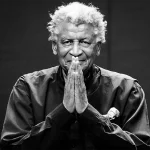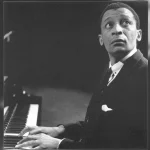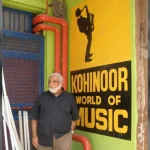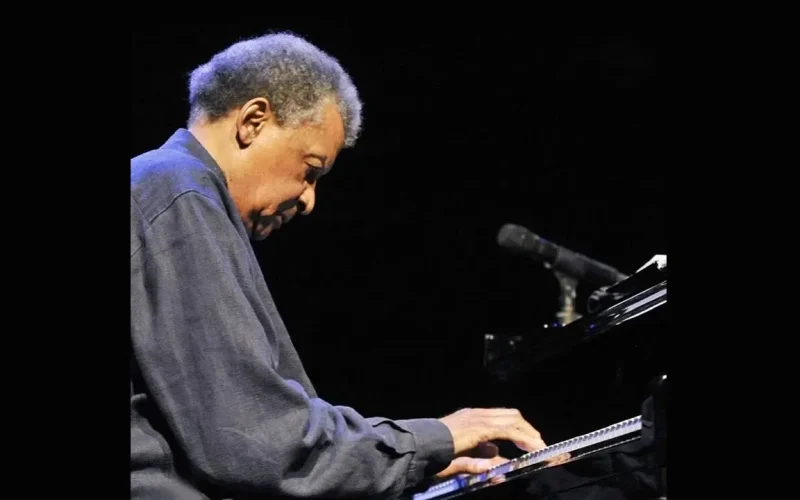
ABDULLAH Ibrahim, the revolutionary South African jazz pianist who transformed music into a language of resistance and hope, has passed away at 91, leaving behind a legacy that transcends notes and melodies.
Born in Cape Town’s vibrant District Six as Dollar Brand, Ibrahim was more than a musician – he was a storyteller of South Africa’s complex history, weaving the pain of apartheid, the resilience of his people, and the promise of freedom into every keystroke. His piano was an instrument of liberation, speaking truths that words could not capture.
From the experimental sounds of the 1960s to the deeply introspective compositions of his later years, Ibrahim’s music was a journey through South Africa’s political and cultural landscape. He was not just a jazz pianist, but a national treasure who stood shoulder to shoulder with legends like Duke Ellington, transforming jazz into a powerful vehicle for social commentary and emotional expression.
His musical palette was breathtakingly diverse – drawing from jazz, Cape carnival music, Sufi chants, Christian hymns, and traditional African rhythms. Each composition was a universe unto itself, telling stories of struggle, hope, memory, and ultimately, transformation.
Ibrahim’s commitment to his art never wavered. Even at 91, he continued to perform, his hands tracing minimal, philosophical notes that spoke volumes. His music became more distilled with age – like fine brandy, intense and potent, requiring just a sip to understand entire histories.
From exile to triumphant homecoming concerts after Mandela’s release, from performing at the presidential inauguration to creating groundbreaking recordings, Ibrahim was a beacon of artistic integrity and political courage.
South Africa has lost a musical giant, but his compositions will continue to echo through generations – a testament to a life dedicated to musical excellence and human dignity.
President Cyril Ramaphosa has expressed his profound sadness at the passing of cultural activist, global jazz icon and Esteemed Member of the Order of Ikhamanga.
Ramaphosa offered his deep condolences to Mr Ibrahim’s children, pianist Tsakwe and hip-hop artist Jean Grae. Their mother, Sathima Bea Benjamin, a performer and recording artist herself, passed away in 2013, nine years after she received the Order of Ikhamanga.
Ramaphosa said as a pianist, composer, arranger and mentor, Abdullah Ibrahim campaigned against apartheid and drew audiences to his highly curated performances that showcased his accomplishment as a soloist and his collaboration with established and emerging talent.
His music also projected his spirituality and contemplative practice of martial arts.
In 2009, he was awarded the Order of Ikhamanga in Silver, in recognition of his excellent contribution to the arts, his success in putting South African music on the international map, and his lifelong fight against racism and apartheid.
Ramaphosa said: “Today our nation mourns the passing of an international icon and global citizen whose profound creations honoured the South Africa that shaped his political commitment and musical brilliance.
“As we commemorate the 50th anniversary of the Youth Uprising, the passing of Abdullah Ibrahim reminds us of the then-illegal benefit concert he organised in support of the liberation movement following the Uprising, as a demonstration of his commitment to our struggle.
“We give thanks for the many decades of his life that he devoted to his personal passion, which he shared with humanity through his recordings and his appearances in clubs and concert halls throughout the globe.
“He has enriched our lives with his musical gifts and his involvement in making the world a better place. May his soul rest in peace.”