AFRICA is confronting an unprecedented skills crisis that threatens to derail the continent’s industrial ambitions, with leaders warning that without immediate action, the projected 1 billion-strong workforce by 2040 could become an economic burden rather than the continent’s greatest asset.
A senior government minister stood in for President Hakainde Hichilema and officially opened the inaugural Industrial Skills Week Africa (ISWA 2025) in Lusaka on Tuesday with a sobering assessment: manufacturing accounts for only 11 percent of Africa’s GDP compared to 23 percent in East Asia, while more than 60 percent of young Africans remain unemployed or in vulnerable employment.
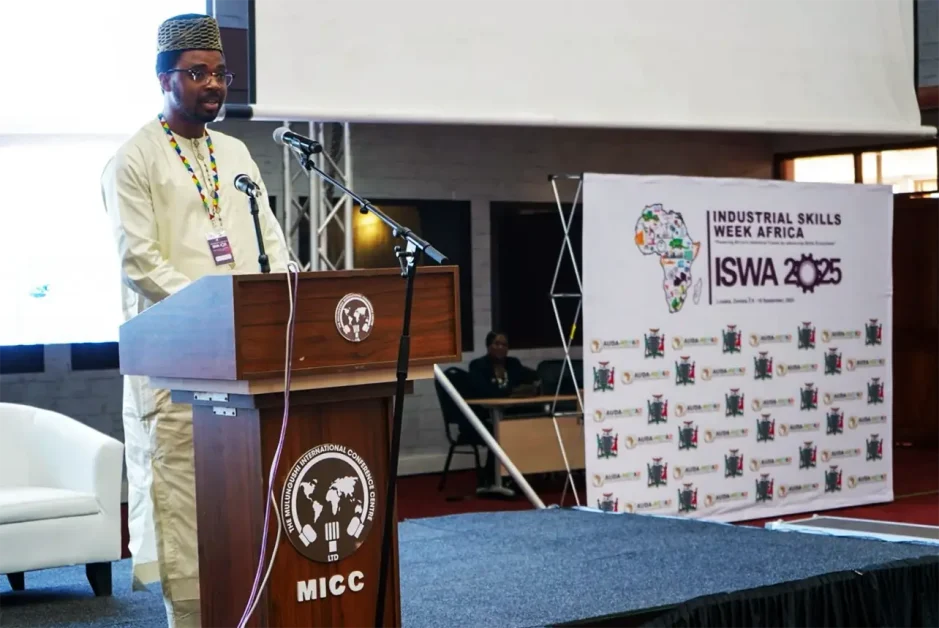
In a speech read on his behalf at the Mulungushi International Conference Centre to delegates from across the continent, Hichilema declared that “the skills gap is real, and it is urgent,” as Africa faces the staggering challenge of creating 11 million jobs annually by 2030 to absorb new entrants into the labour market.
A Continental Emergency Unfolds
The statistics paint a dire picture of Africa’s employment landscape. While 10-12 million young Africans enter the labour market annually, only about 3 million formal jobs are created. More concerning, over half of Africa’s graduates are reportedly mismatched to industry needs, creating a double crisis of unemployment and skills shortages.
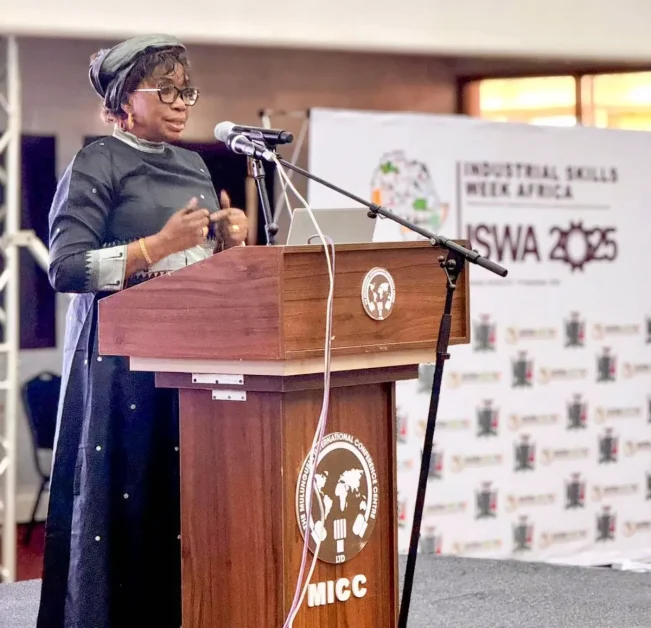
Zambian Labour and Social Security Minister Brenda Mwika Tambatamba also delivered stark warnings about the scale of the challenge, noting that creating 11 million jobs annually translates to approximately 30,000 new jobs every single day for the next six years.
“Africa’s labour force is projected to reach over 1 billion people by 2040, making it the largest in the world,” Tambatamba told the conference. “Yet today, more than 60% of young Africans are either unemployed or in vulnerable employment. Without bold and coordinated action, the industrial future we envision will remain out of reach.”
Manufacturing Gap Threatens Continental Ambitions
President Hichilema emphasised that the crisis extends beyond unemployment to fundamental industrial competitiveness. Africa’s working-age population is projected to exceed one billion by 2035, representing what he called “Africa’s greatest asset” if properly equipped with relevant skills.
“The reality we face is sobering: across our industries, whether in manufacturing, mining, agro-processing, pharmaceuticals, energy, or green industries, the demand for skilled labour is outpacing supply,” the president said.
The skills mismatch threatens Africa’s Agenda 2063 vision of becoming a prosperous, industrialised continent, with the gap between current capabilities and industrial requirements widening as global competition intensifies.
Zambia’s Reform Blueprint
As the host nation, Zambia has positioned itself as a continental leader in addressing the skills crisis. President Hichilema outlined comprehensive reforms through the Ministry of Technology and Science and its agency TEVETA, including:
- Modernising curricula to include digital, green, and entrepreneurial skills
- Strengthening public-private partnerships for market-aligned training
- Expanding access for women and rural youth
- Establishing innovation hubs and incubation centres
The initiatives have already yielded results, with Zambia increasing technical and vocational education training (TEVET) enrollment by over 35 percent in recent years, with more women and rural youth entering technical fields.
Three Pillars for Transformation
President Hichilema outlined a three-point action plan for continental skills development:
Inclusivity: Placing persons with disabilities, women, and youth at the centre of industrial transformation to unlock Africa’s full potential.
Forward-looking approach: Investing in digital transformation, green jobs, and emerging technologies, including artificial intelligence, robotics, renewable energy systems, and smart manufacturing.
Entrepreneurial focus: Empowering graduates to create opportunities and contribute to Africa’s value chains, supported by legislation such as Zambia’s forthcoming Start-up and Innovation Bill.
Multi-Stakeholder Solution Required
Tambatamba emphasised that addressing the crisis requires unprecedented collaboration between governments, industry, academia, and development partners.
“The government sets the enabling policies, industry shapes demand and creates opportunities, academia produces knowledge and talent, while development partners provide support and innovation,” she explained. “Only when these stakeholders work hand in hand can Africa create the adaptive, creative, and resilient workforce required for the future of work.”
Continental Framework at Stake
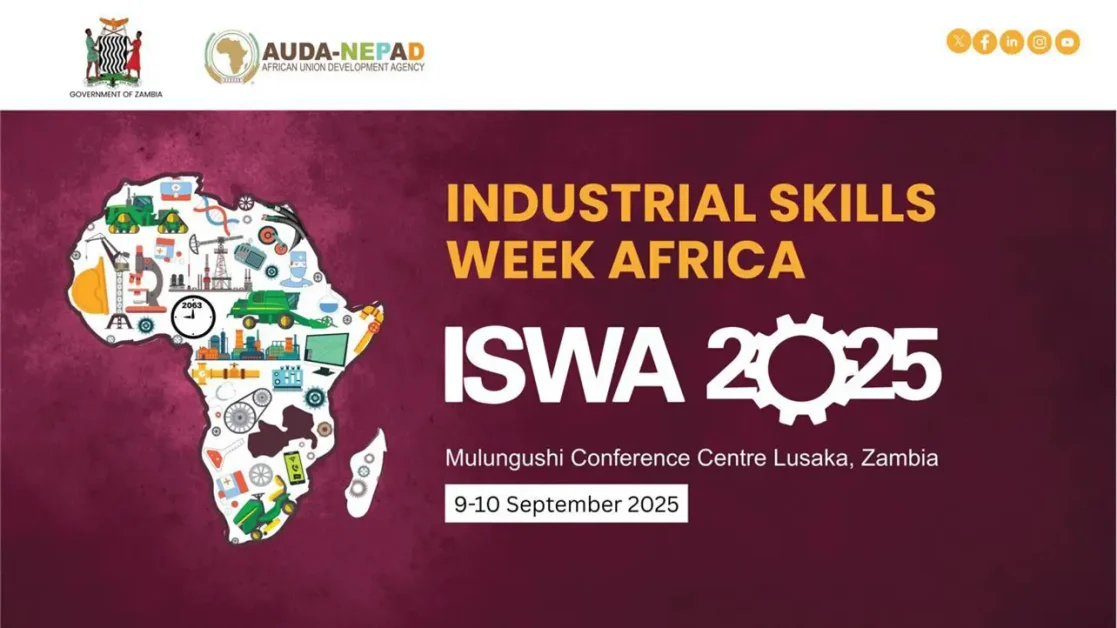
The conference, organised in partnership with the African Union Development Agency-NEPAD under the theme “Powering Africa’s Industrial Future: Skills for Innovation, Growth, and Sustainability,” aligns with several continental strategies, including the SADC Industrialisation Strategy, the Continental Education Strategy for Africa (CESA 16-25), and the African Union’s Agenda 2063.
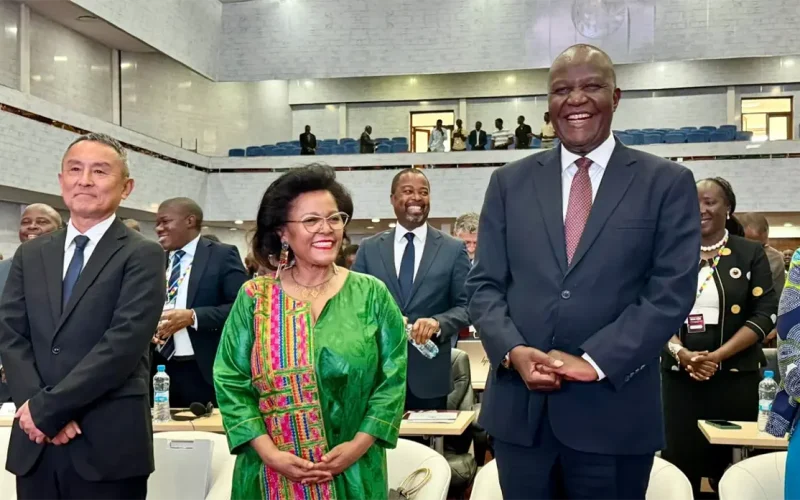
High-level attendees at the opening included AUDA-NEPAD CEO Nardos Bekele-Thomas, Sierra Leone’s Minister of Youth Affairs Ibrahim Sannoh, and representatives from African Union member states, regional economic communities, and development partners.
Narrow Window for Action
As delegates gather throughout the week, the message from leadership is clear: Africa has a rapidly closing window to address its skills crisis before demographic dividends transform into economic burdens.
“Africa’s industrial future will not be imported. It must be built here, by Africans, through the skills of our youth, anchored on partnerships that deliver real impact,” Tambatamba declared.
President Hichilema emphasised that the conference must deliver concrete outcomes: “This event must be about real solutions, real partnerships, and real commitments.”
The Industrial Skills Week Africa 2025 continues through the week, serving as both a dialogue platform and what Hichilema called “a launchpad for action” in addressing one of the continent’s most pressing challenges. The decisions made in Lusaka and the commitments forged will determine whether Africa’s young population becomes the engine of continental prosperity or a source of social and economic instability.
With the world’s largest workforce taking shape in Africa by 2040, the continent’s leaders face perhaps the most critical skills development challenge in modern history – one that will define Africa’s industrial future for generations to come.