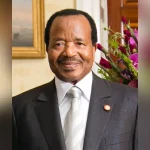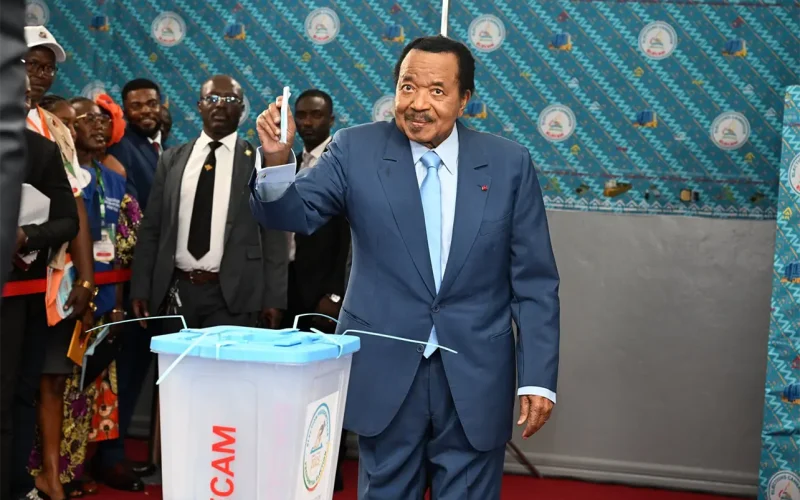
A coalition of 21 African civil society organisations and 33 prominent human rights advocates has issued a scathing condemnation of the African Commission on Human and Peoples’ Rights for sending a congratulatory letter to Cameroon’s President Paul Biya following disputed elections that left multiple people dead.
The joint statement, released Tuesday, accuses the Commission of compromising its impartiality and undermining its mandate to investigate human rights violations by congratulating Biya just days after the contentious October 12 elections, which were followed by deadly post-election violence.
“The African Commission was established to promote and protect human and peoples’ rights, not as an institution that endorses or legitimises contested political outcomes,” the statement reads. “By congratulating President Biya — amid credible reports of election-related violence leading to verified fatalities — the Commission has, wittingly or unwittingly, undermined its credibility.”
The Commission sent the congratulatory letter on October 27, but issued a statement four days later acknowledging “post-election violence and the resulting deterioration of the human rights situation” in Cameroon. Cameroonian authorities have confirmed deaths during post-electoral protests.
The civil society groups argue this sequence of events reveals a “worrying pattern of disengagement at precisely the moments when [the Commission’s] intervention is most needed.”
Adding to concerns, the organisations note that the elections occurred during the Commission’s public session in Banjul, yet there was “conspicuous absence of engagement” by the Commission and its relevant special rapporteurs on human rights defenders and freedom of association.
Tanzania Crisis Also Cited
The statement also criticises the Commission’s handling of Tanzania’s situation, where the body issued a statement acknowledging “unrest has left hundreds of people dead, and hundreds injured, following clashes with security forces.”
The civil society coalition specifically calls for the Commission to speak out against Tanzania’s disqualification of opposition leader Tundu Lissu on what they describe as “unfounded high treason charges.”
Four Demands for Reform
The signatories are calling on the Commission to:
- Cease issuing congratulatory letters to politicians or candidates in elections, disclosing previous practices in this regard
- Reaffirm its commitment to the African Charter on Human and Peoples’ Rights and the African Charter on Democracy, Elections and Governance
- Initiate independent investigations into human rights violations and killings during recent elections in Cameroon, Tanzania and other states
- Strengthen responsiveness by acting with urgency on emerging crises, particularly around elections and mass protests
Credibility at Stake
The statement warns that public faith in continental institutions is “at its lowest since the adoption of the African Charter” and that the Commission must rebuild trust through “truth, accountability, and visible action.”
“The credibility of the Commission depends on its ability to prioritise the rights and dignity of African citizens over political convenience and deference to power,” the organisations wrote.
Among the signatories are the Pan African Lawyers Union, the Centre for Human Rights at the University of Pretoria, Zimbabwe Lawyers for Human Rights, the International Commission of Jurists, and the Institute for Human Rights and Development in Africa.
Individual signatories include prominent figures such as Chidi Anselem Odinkalu of Nigeria, Professor Danwood Chirwa of Malawi, and Alioune Tine of Senegal.
The statement comes amid what the organisations describe as an alarming deterioration of Africa’s democratic landscape, with a return of unconstitutional changes of government, weakening of independent institutions, and manipulation of electoral processes, creating “a climate of impunity and repression.”