CITIZENS and activists in Lesotho have taken to social media to defend their country after US President Donald Trump’s dismissive comment, before the country’s congress, that “nobody has ever heard” of Lesotho.
In his first major address to the U.S. Congress, Trump sparked controversy by claiming that “nobody has ever heard of” Lesotho, a small African nation, while criticising U.S. foreign aid spending. Trump specifically mentioned an allocation of $8 million to promote LGBTQ+ rights in Lesotho, prompting laughter from some attendees. This remark was met with shock and offence from the government and citizens of Lesotho.
Lesotho’s Foreign Minister, Lejone Mpotjoane, has expressed his astonishment and insult at Trump’s comments, describing them as “quite insulting”. Mpotjoane emphasised Lesotho’s significance as a unique country, known as the “Kingdom in the Sky” due to its high elevation, and extended an invitation to Trump to visit Lesotho. He highlighted that despite Trump’s remarks, Lesotho maintains “warm and cordial” relations with the U.S., with a U.S. embassy in the capital, Maseru.
Mpotjoane also noted that while Trump criticised aid to LGBTQ+ organizations, Lesotho has benefited from broader U.S. aid, particularly in the health and agriculture sectors. However, he acknowledged that the U.S. has the right to reduce aid as part of its policies.
Journalist and activist Kananelo Boloetse responded sarcastically to Trump’s remarks, highlighting Lesotho’s unique features and its pride in being a distinct nation.
Boloetse posted on social media platform X: “Ever heard of Kingdom in the Sky? Guess not, too busy golfing to notice.” He further added, “Lesotho’s the only country in the world entirely above 1,000 metres elevation, higher than your approval ratings ever got. We’re here, we’re proud, and we’re not your punchline”.
People’s Matrix, a leading LGBTQ+ rights organisation in Lesotho, denied receiving any U.S. funding, further challenging Trump’s claims.
These responses, among others, reflect a mix of humour and pride as citizens defend their country’s unique identity and cultural significance. Many Basotho view Trump’s comments as an opportunity to raise awareness about Lesotho, potentially boosting tourism and global recognition of their nation.
Lesotho is a significant recipient of benefits under the U.S. Growth and Opportunity Act (AGOA), which facilitates favourable trade terms to stimulate economic development. In 2024, trade between Lesotho and the U.S. reached $240 million, primarily in textiles and apparel. Despite Trump’s comments, Lesotho remains open to international engagement, as evidenced by Elon Musk’s recent efforts to explore business opportunities in the country.
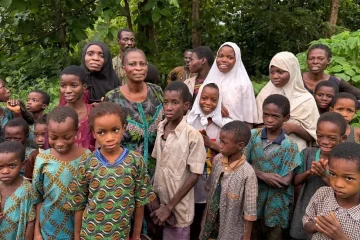
Cultural Expression: Basotho are known for their vibrant cultural heritage, often expressed through traditional clothing like Seshoeshoe and likobo blankets. Social media platforms can be used to share images and stories about these cultural symbols, highlighting their significance and beauty3.
- National Pride: Basotho take immense pride in their nationality, with over 90% expressing pride in being Mosotho(2). This pride is often reflected in social media posts celebrating national events, traditions, and achievements.
- Community Engagement: Social media can facilitate discussions and events that promote unity and social cohesion. For example, events like Lesotho Pride highlight the importance of inclusivity and community support(7).
- Cultural Preservation: Basotho use social media to preserve and promote their cultural heritage by sharing stories, traditions, and historical events. This helps maintain a strong sense of identity and connection to their roots.
However, Lesotho’s recent regulations requiring social media users with over 100 followers to register as “internet broadcasters” may impact how freely citizens can express themselves online1. Despite these challenges, Basotho continue to find ways to celebrate their identity and culture through digital platforms.
If specific quotes are available, they might reflect themes of national pride, cultural heritage, and community solidarity. For instance, a hypothetical post might say: “Proud to be Basotho! Our culture is rich and vibrant, and I love sharing it with the world through social media.” However, actual quotes are not provided in the search results.