THE old man’s hands trembled as he held up his phone, its sleek surface catching the last rays of the setting sun. “This little thing,” he whispered to his granddaughter, “it carries the weight of our mountains within it.”
In the eastern provinces of the Democratic Republic of Congo (DRC), where mist-shrouded peaks hold secrets as dark as the minerals they contain, a new chapter of an ancient tragedy is unfolding. The United Nations has issued its strongest warning yet, a clarion call to the world about the escalating violence and humanitarian crisis in the region. But here, on the ground, the UN’s words manifest in the tears of mothers, the silence of abandoned villages, and the thundering of boots on blood-soaked soil.
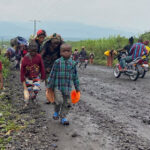
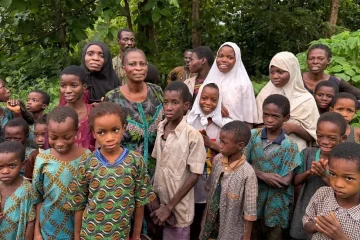
Since January, death has become a daily visitor. Over 3,000 souls—perhaps more—have been lost, their stories untold, their deaths often unmarked. The UN High Commissioner for Human Rights has met with survivors in camps that dot the landscape like wounds on the earth’s surface. Women huddle together, their eyes holding horrors that words dare not describe. Their pain is a testament to the failure of the international community to protect the most vulnerable.
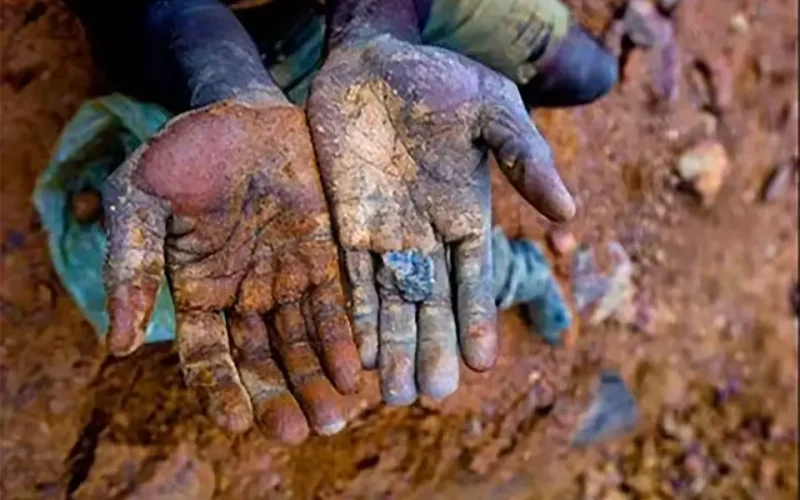
Yet, this is not just a tale of violence. It is a story of bitter irony. Deep beneath the surface of this war-torn land lie the minerals that power the world’s communications—cobalt, coltan, and gold—essential for smartphones, tablets, and electric vehicles. These “blood minerals” are extracted at the cost of human dignity, fueling a cycle of exploitation and conflict. Every device that lights up a screen in Tokyo, New York, or London carries a piece of Congo’s pain.
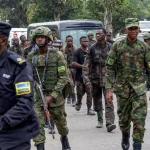
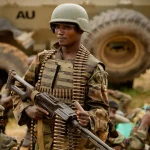
The M23 rebels, a group with alleged backing from neighboring Rwanda, move like shadows through the forests. Their presence is marked by empty villages and frightened whispers. Despite international condemnation, Rwanda continues to deny its involvement, even as evidence mounts of its support for the rebels. This is a deadly game of geopolitical chess, with human lives as pawns.
Amid this darkness, however, voices of hope refuse to be silenced. Women, who have long borne the brunt of this brutal conflict, are demanding their place at the peace table. Grassroots organizations are working tirelessly to document atrocities and provide support to survivors. The Luanda and Nairobi peace processes, though fragile, offer a glimmer of hope—a chance to turn weapons into words and hatred into healing.
In a small village, as night falls over the hills, the old man finishes his story. His granddaughter looks at the phone in her hands with new eyes. “But what can we do?” she asks, her voice small against the vastness of the problem.
“We remember,” he says firmly. “We speak. We demand justice. And most importantly, we never stop believing that peace is possible.”
The UN’s warning is not just a condemnation; it is a call to action. The High Commissioner has promised justice, investigations, and accountability for perpetrators. But for now, in the heart of Africa, another night falls over the mineral-rich mountains, and the people of eastern Congo continue their long wait for peace.
As the story of the DRC unfolds, it serves as a powerful reminder of our interconnected world. The minerals that power our modern lives are inextricably linked to the fate of these distant mountains and the brave souls who call them home. The question is: will we listen to their cries, or will we continue to turn a blind eye to the cost of our convenience?
The time for action is now. The world must hold accountable those who profit from this suffering, support peace processes, and ensure that the people of the DRC can finally live in dignity and peace. For in their struggle lies a lesson for us all: that true progress cannot be built on the backs of the oppressed.